
Thailand Travel Guide: Best Places to Visit, Cities, 7-Day Itinerary and Hidden Gems (2026
Thailand pairs golden temples with turquoise coastlines. It rewards travelers who mix famous cities with quieter corners most tourists skip, and this guide is built around that idea: nine cities worth basing yourself in, plus the lesser known spot near each one that most first-time visitors never hear about.
Below, you’ll find the best cities to visit, a 7-day route that links four of them together, and everything you need to plan around it, from the current visa rules to a realistic daily budget. The best time to visit is November through early April, when the dry season keeps humidity low across the whole country, and a first trip works best over 7 to 10 days moving between temples, mountains, and at least one stretch of coast.

Razi Ansari—just a guy with a backpack, a camera, and too many stories from the road. I write about the real moments, the messy adventures, and the hidden corners of the world that don’t always make it to the guidebooks
Best Cities to Visit in Thailand
Thailand’s cities each carry a distinct identity, and a well planned trip usually strings together two or three of them rather than trying to see all nine in one visit. Each one below comes with the quieter spot nearby that’s worth the extra hour, for travelers who want more than the main sights.
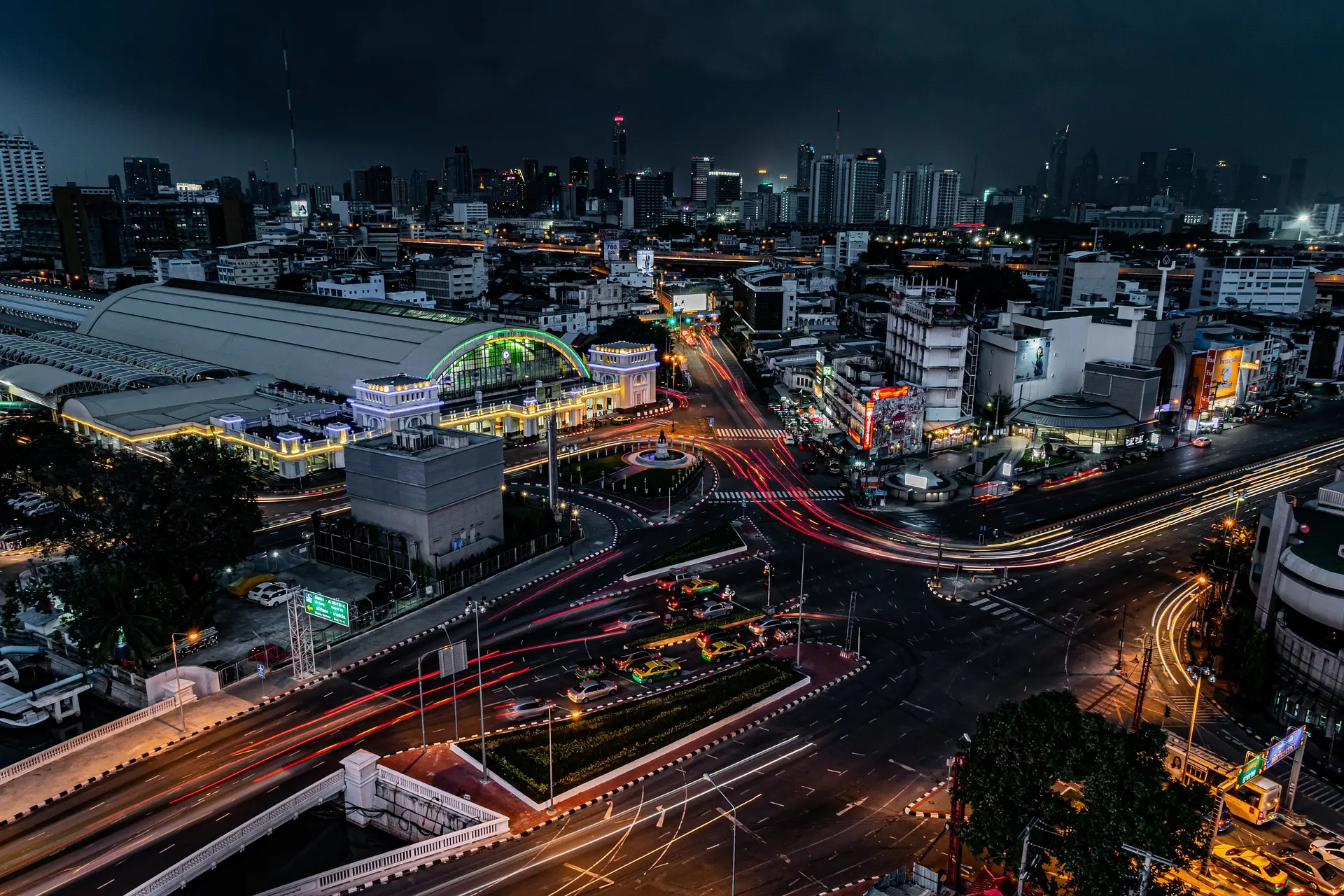
Bangkok: Thailand's Cultural Capital
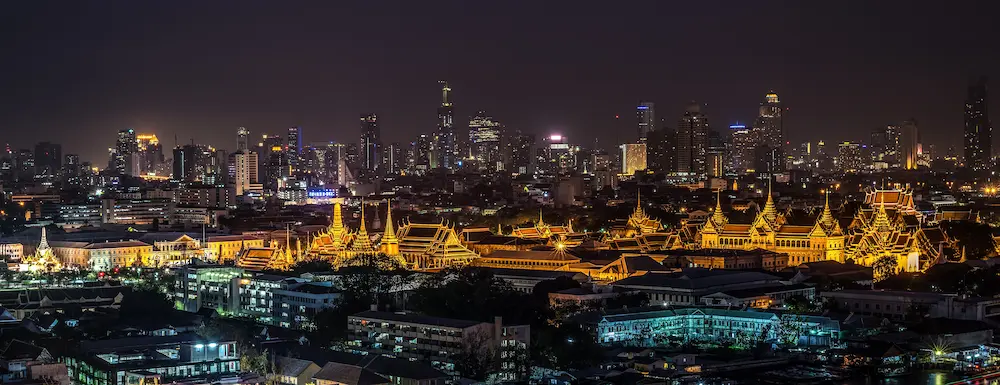
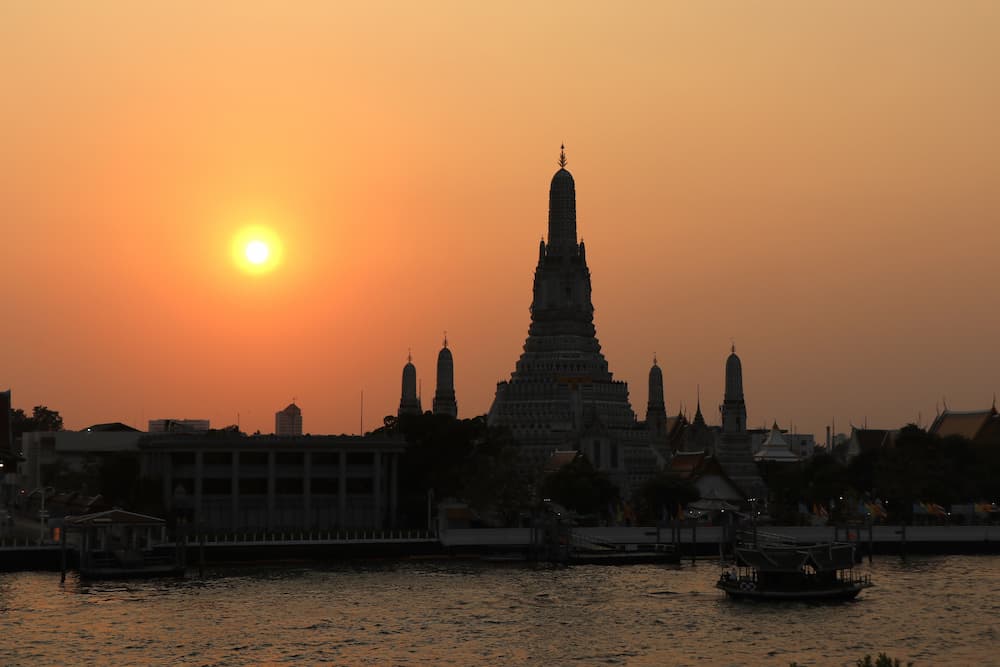
Bangkok is where tradition meets modern chaos, and it works as both a first stop and a final one. The Grand Palace and Wat Pho anchor the old city with gold spires and reclining Buddha statues, while Wat Arun rewards visitors who cross the river for sunset views from its steep central steps.
Chatuchak Weekend Market covers thousands of stalls in northern Bangkok, and a short boat ride down the Chao Phraya River shows the capital from a completely different angle. Thip Samai remains one of the most trusted spots in the city for authentic pad thai, and it’s worth the wait outside during dinner hours. Locals also point newcomers toward Chang Chui, a night market built around a retired airplane fuselage, and Bang Kachao, a car free green pocket across the river known as Bangkok’s lung.
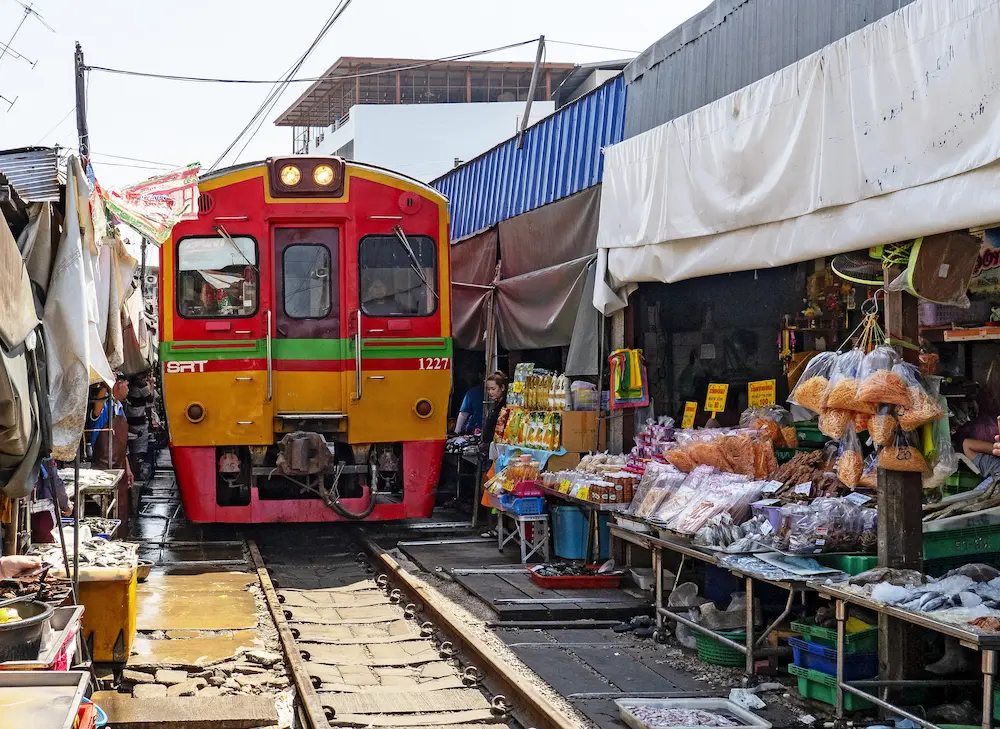
An hour outside the city, at Maeklong, vendors set up fruit and fish stalls directly on an active train track. Several times a day a warning bell sounds, and every awning folds back in seconds as the train rolls through at walking pace, then the market resets as if nothing happened. It pairs easily with a same day trip to the floating market at Amphawa nearby.
Chiang Mai: Temples and Mountain Culture
Chiang Mai carries Thailand’s spiritual and historical weight, framed by mountains and a walled Old City packed with temples. Wat Phra That Doi Suthep sits above the city on a mountain road and holds the title of Northern Thailand’s most sacred site.
Visitors can join a Thai cooking class taught by local chefs, walk through the Chiang Mai Night Bazaar for handmade crafts, and stop at Elephant Nature Park for an ethical alternative to elephant riding camps. Chiang Mai also serves as the gateway to Pai, a mountain town reached by a winding three hour drive through 762 curves, and it’s the trip most visitors add on when they have an extra day.
Travelers with more time push further to Mae Hong Son, along a road that runs through 1,864 curves against the Myanmar border. Ban Rak Thai, a Chinese-Thai tea village near the town, serves oolong tea with views over its own tea terraces, and it ranks among the most peaceful stops in northern Thailand.
Phuket: Beaches and Island Life
Phuket is Thailand’s most developed beach destination, and it delivers everything from luxury resorts to backpacker guesthouses along Patong Beach. Big Buddha and Old Phuket Town’s Sino-Portuguese architecture give the island a cultural side beyond its coastline.
Boat trips from Phuket reach the Phi Phi Islands for snorkeling, and Promthep Cape ranks among the best sunset viewpoints in the country. Travelers who want quieter beaches without leaving the island should head to the northern coast, away from the main Patong strip.
Krabi: Limestone Cliffs and Quiet Islands
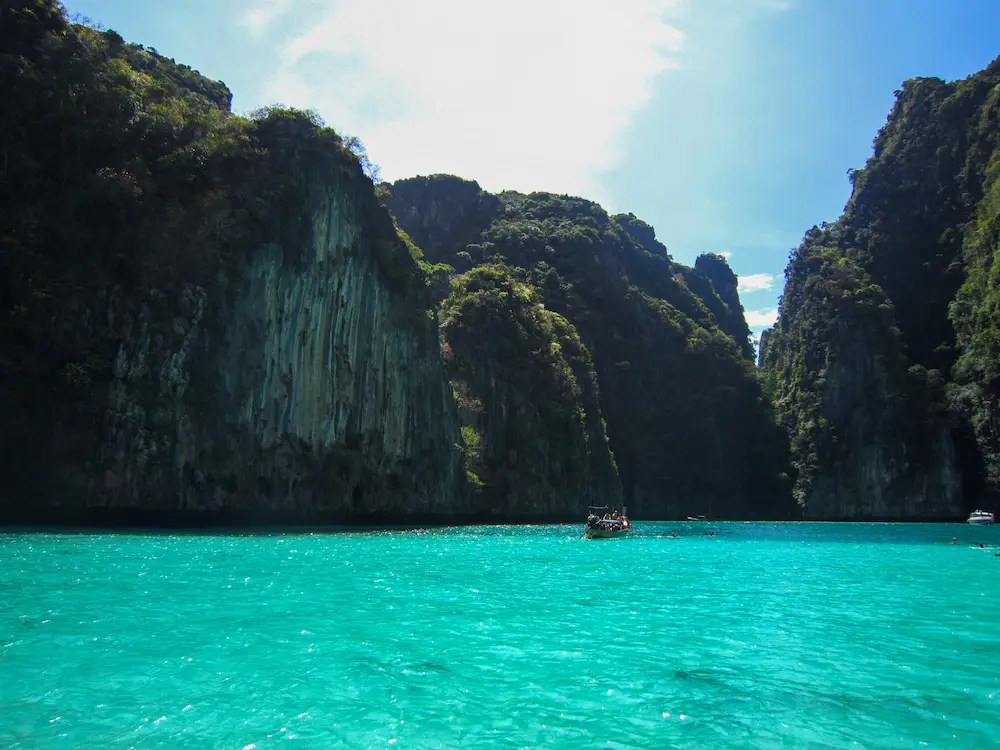
Krabi trades Phuket’s crowds for dramatic scenery, with limestone cliffs rising straight out of turquoise water. Railay Beach and Ao Nang serve as the main bases, and both connect by long tail boat to the Hong Islands and Chicken Island for day trips.
Tiger Cave Temple requires a steep climb, but it rewards visitors with panoramic views across the province. A short boat ride from Ao Nang, past mangrove trees, leads to Sa Morakot, the Emerald Pool, where sunlight through the canopy turns the water a bright green. It’s calmest in the early morning, before the tour groups arrive.
Between Phuket and Krabi sits Koh Yao Noi, an island that has kept the pace of Thailand from several decades ago, with dirt roads and coconut groves instead of neon lights.
Pattaya: Family Friendly Coast
Pattaya has moved well past its old reputation as a nightlife only destination, and it now draws families as much as backpackers. The Sanctuary of Truth showcases traditional Thai wood carving on a scale rarely seen elsewhere.
Koh Larn Island offers clean beaches a short ferry ride from the mainland, and the Pattaya Floating Market combines food stalls, souvenir shopping, and canal boat rides in a single afternoon stop.
Ayutthaya: Ancient Capital Ruins
Ayutthaya served as the capital of the Siamese kingdom for over 400 years, and its ruins now hold UNESCO World Heritage status. Wat Mahathat draws photographers for its stone Buddha head wrapped in tree roots, while Wat Chaiwatthanaram offers some of the best sunset silhouettes in the country.
The city sits an hour by train from Bangkok, which makes it an easy day trip or an overnight stop for travelers headed north, and it’s the first stop on the 7-day route below.
Chiang Rai: Northern Temple Country
Chiang Rai moves at a slower pace than Chiang Mai, centered around two striking modern temples, the White Temple (Wat Rong Khun) and the Blue Temple (Wat Rong Suea Ten). The Golden Triangle, where Thailand, Laos, and Myanmar meet, sits a short drive from the city.
Fewer visitors make it to Wat Huay Pla Kang, a hillside temple with a 25 meter Guan Yin statue looking out over misty valleys, reached along a drive through coffee plantations and bamboo forest.
Sukhothai: Birthplace of Siam
Sukhothai holds the title of Thailand’s first capital, and its historical park spreads brick stupas and stone Buddha statues across a landscape built for early morning photography. The Ramkhamhaeng National Museum next door adds context for travelers who want the history behind the ruins.
Koh Samui: Luxury Island Escape
Koh Samui suits travelers chasing resort comfort over backpacker energy, with Lamai Beach and the Big Buddha Temple (Wat Phra Yai) as its main draws. Fisherman’s Village adds a walkable strip of restaurants and shops for evenings, and the island’s yoga retreats and wellness resorts make it a popular choice for honeymooners.
Cambodia and Laos aside, Thailand’s northeast region of Isan rarely makes it onto a first-timer’s map at all. Ban Chiang, a UNESCO World Heritage Site known for prehistoric pottery, anchors a stretch of rice paddies and silk weaving villages where homestays let guests share meals with local families, for travelers willing to route through a region most guides skip entirely.
Turning These Cities Into a 7-Day Trip
Bangkok, Ayutthaya, Chiang Mai, and Krabi cover four very different sides of Thailand, temples, ruins, mountains, and coast, and they also happen to link together well by train and short domestic flight. Here’s how to fit them into one week.
Day 1, Bangkok
Start at the Grand Palace and Wat Pho in the morning, before the heat and crowds build. Cross the river by boat to Wat Arun in the afternoon, then close the day with pad thai at Thip Samai and a night near Khao San Road. Carry cash for street food, since most small vendors don’t accept cards.
Day 2, Ayutthaya
A one hour train from Bangkok reaches Ayutthaya, where a rented bicycle covers the temple ruins efficiently once you arrive. Wat Mahathat, with its tree root wrapped Buddha head, remains the most photographed stop in the park. Dinner at a floating restaurant by the river pairs well with grilled prawns before the last train back to Bangkok.
Day 3, Chiang Mai
A short flight north lands you in Chiang Mai’s Old City, where a Thai cooking class ranks among the most consistently recommended activities for first time visitors. Evenings work well at the Night Bazaar for bargaining and street food, followed by a traditional Thai massage.
Day 4, Chiang Mai to Pai
Day 5, Krabi
A flight south trades mountains for coastline, landing in Ao Nang. A long tail boat to Railay Beach shows off Krabi’s limestone cliffs at their best, and dinner at a beach shack closes the day with grilled fish and ocean views.
Day 6, Island Hopping
Day 7, Phuket:
A ferry crossing to Phuket ends the trip in Old Phuket Town, where Sino-Portuguese buildings and small cafés fill the streets. Promthep Cape delivers the final sunset of the week, and dinner with live music closes out a route that covers temples, mountains, and beaches in seven days.
Budget for this route runs $300 to 400 per person for a week, not including international flights, based on budget guesthouses, local transport, and street food. Longer trips can slot in Chiang Rai after Chiang Mai, or Koh Samui instead of Phuket at the end, using the same connections.
Planning Around the Route
Best Time to Visit Thailand
Thailand’s dry season runs from November through early April, bringing cooler air, lower humidity, and calm seas across the southern islands. Bangkok and the ancient cities sit comfortably in the low to mid 30s°C during these months, and Phuket and Krabi offer their clearest diving and snorkeling visibility in this window too.
December and January draw the biggest crowds and the highest hotel prices, so shoulder months like November and late February give a better balance of weather and value. The rainy season runs from May through October, and it still works for a budget trip, since showers tend to arrive in short bursts rather than all day downpours.
Chiang Mai and the northern hills stay lush and green through this period, and flight and hotel prices also drop noticeably during these months. Songkran, Thailand’s water festival, falls in mid April and turns the country into a nationwide water fight worth timing a trip around.
Thailand Visa Requirements (2026 Update)
Thailand’s entry rules changed significantly in 2026. The Thai Cabinet voted in May 2026 to roll back the flat 60 day visa exemption that had applied to 93 nationalities since 2024, replacing it with a tiered system.
Most eligible nationalities now receive 30 days visa free on arrival under the new rules, while a small number of countries with bilateral agreements still receive 60 or 90 days. Three island nations receive 15 days, and citizens from several ASEAN countries continue to receive 30 day exemptions under separate regional agreements.
Every visitor now must complete the Thailand Digital Arrival Card (TDAC) online before arrival, regardless of nationality. This replaced the old paper TM6 form and is checked at every major airport and land border.
Travelers who don’t qualify for visa free entry can apply for a standard Tourist Visa through the official Thai e-Visa portal. Digital nomads and remote workers may qualify for the Destination Thailand Visa (DTV), a 5 year visa allowing 180 day stays per entry for applicants who can show 500,000 THB in savings.
These rules continue to shift through 2026, so confirm your specific country’s current allowance on Thailand’s official immigration site before booking flights.
Thailand Travel Budget
A backpacker can realistically manage Thailand on $30 to 50 per day, covering guesthouse dorms or budget private rooms, street food, and local transport like buses and songthaews. A mid range budget of $70 to 120 per day adds private rooms with air conditioning, occasional taxis or Grab rides, and a mix of local and Western restaurants.
Domestic flights between cities like Bangkok, Chiang Mai, and Phuket typically cost $30 to 60 one way when booked a few weeks ahead, and these flights save significant time compared to overnight buses or trains.
For general budgeting across the region, our Asia travel tips guide and Asia travel insurance guide cover the planning basics worth sorting out before you fly.
Thai Food to Try
Thailand Festivals and Culture
Songkran, Thailand’s water festival, takes over the entire country in mid April and marks the Thai New Year with citywide water fights. Loy Krathong and Yi Peng usually fall in November and light up rivers and skies with floating lanterns and candlelit baskets, and Chiang Mai hosts one of the most photographed versions of Yi Peng.
Visitors near temples should dress modestly, covering shoulders and knees, and it’s worth learning a few basic Thai phrases before heading into smaller towns and villages.
Thailand Travel Guide — FAQ
What are the must try foods in Thailand?
Pad Thai, Tom Yum soup, green curry, mango sticky rice, and street food like satay and spring rolls.
Is one week enough for Thailand?
Yes. A 7 day itinerary covering Bangkok, Ayutthaya, Chiang Mai, and one beach or island destination gives a solid first look at the country.
Do I need a visa to visit Thailand?
It depends on your nationality. Many countries receive 30 days visa free entry as of the 2026 policy update, while a smaller group still receives 60 or 90 days under bilateral agreements. Check the official Thai e-Visa portal for your specific country before booking.
Do I need a SIM card in Thailand?
es. Prepaid SIM cards are available at every major airport and make navigation, ride hailing apps, and staying in touch far easier.
Is Thailand safe for solo travelers?
Thailand is generally safe for solo travelers who stay aware of their surroundings and follow standard precautions around nightlife areas and transport.
Which hidden villages in Thailand are worth visiting?
Isan’s rice villages, Koh Yao Noi, and the hill towns near Chiang Rai and Mae Hong Son offer a quieter side of Thailand away from the main tourist route.
For updates on entry rules, join our Asia travel WhatsApp channel and browse the rest of our Thailand travel guides as new spots get added through the year.