Afghanistan Travel Guide: Best Cities, Itinerary & Hidden Gems for 2026
People often see Afghanistan in just two extremes — either only its beauty or only the headlines. But the real travel experience lies somewhere in between. On this page, we explore the best things to do in Afghanistan through a traveler’s eyes: which experiences come naturally, which require patience, and which decisions can make a trip easier or more challenging. If you’re here just to find out “what’s famous,” this guide will also show you the “why and how.
Razi Ansari—just a guy with a backpack, a camera, and too many stories from the road. I write about the real moments, the messy adventures, and the hidden corners of the world that don’t always make it to the guidebooks
Modern Cities & Culture in Afghanistan
Best Cities to Visit in Afghanistan
Beyond the cultural highlights above, here’s a closer look at ten cities worth building your trip around:
Kabul — The Heart and Capital
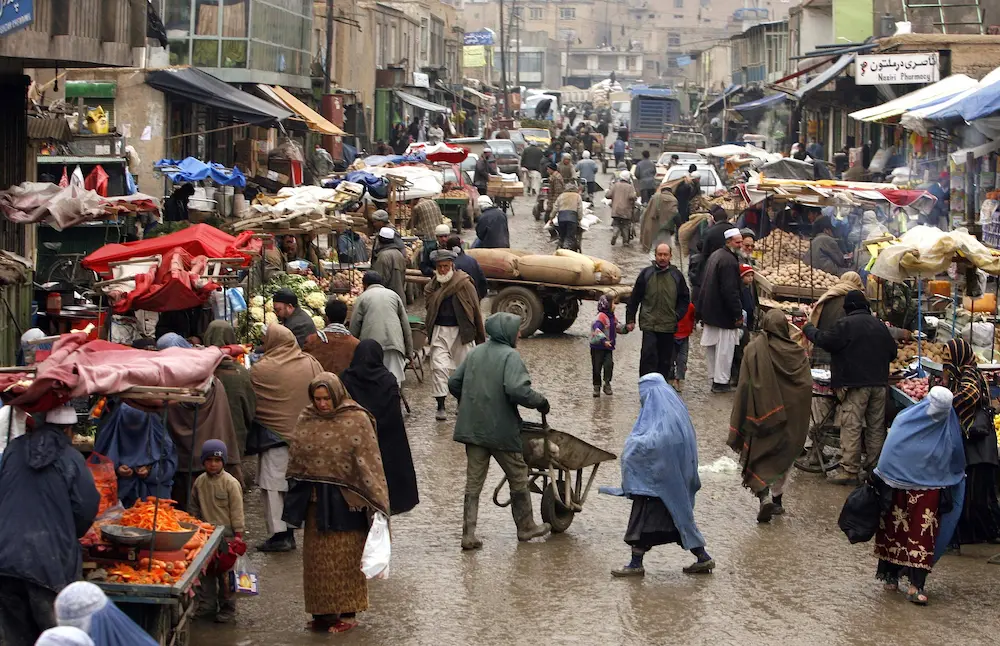
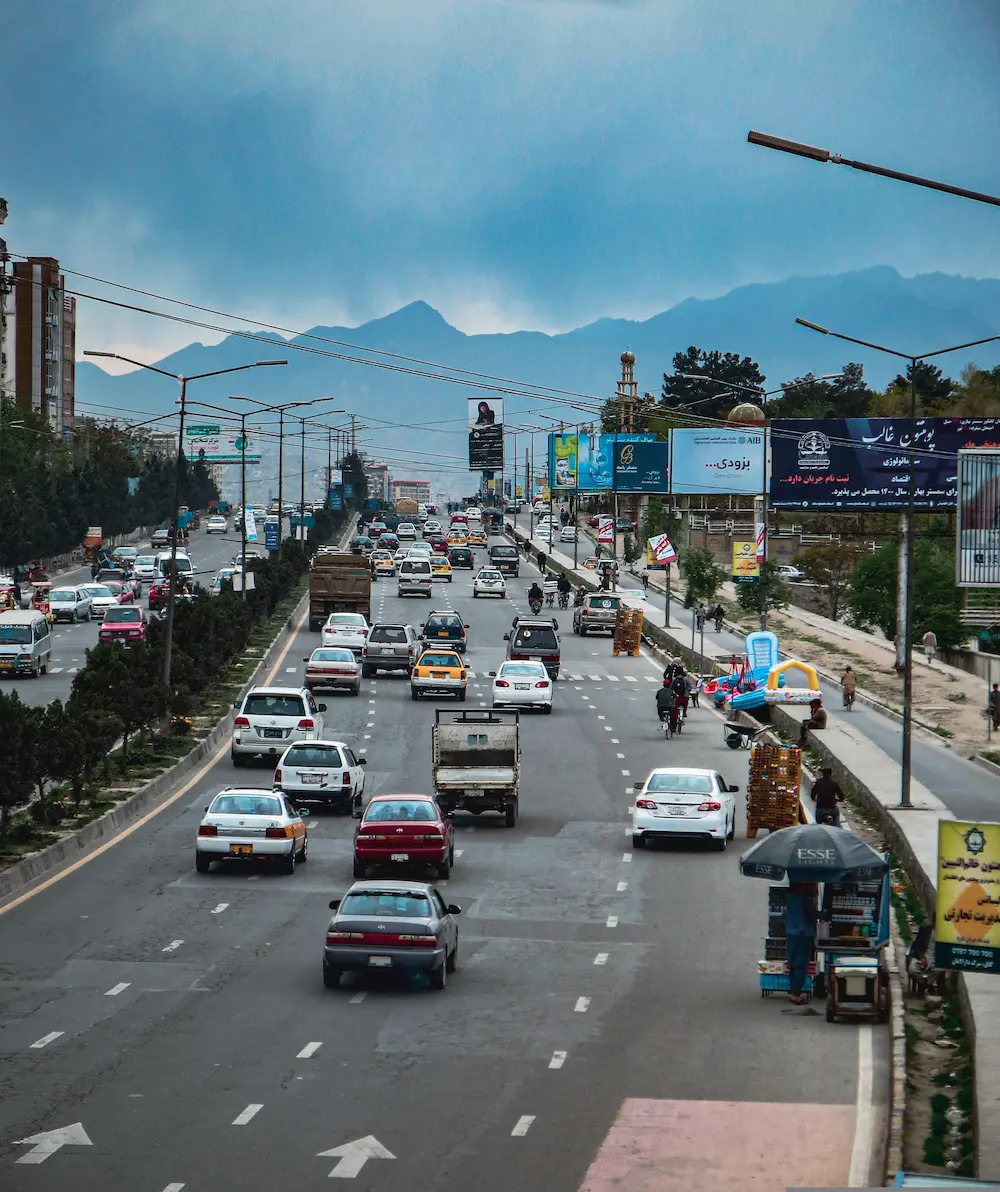
Kabul is the country’s vibrant capital and a hub of art, culture, and heritage. Visit the National Museum of Afghanistan, stroll Babur’s Gardens, shop Chicken Street for handicrafts, and catch sunset views from TV Hill. The Turquoise Mountain Institute is worth a stop for local craft workshops.
Herat — City of Ancient Culture and Blue Mosques
Herat is the country’s cultural capital, home to the Herat Citadel, the Friday Mosque, and the Musalla Complex. Don’t miss the Herat Bazaar for Persian carpets and handmade jewelry, or an evening walk along the Hari Rud River. Herat was once a major Silk Road stop linking Persia with Central Asia.
Mazar-i-Sharif — City of Blue Domes
Known for the Blue Mosque (Shrine of Hazrat Ali), Mazar-i-Sharif is among the most visited cities in the country. Visit the nearby Balkh ruins — one of the oldest cities in the world — and the Sheberghan silk market for authentic Afghan weaving.
Bamiyan — Valley of History and Mountains
Home to the Buddha niches (a UNESCO site) and Band-e Amir National Park, Afghanistan’s first national park. Trek through Shahr-e Gholghola (“The City of Screams”) and Shahr-e Zuhak (“The Red City”) for panoramic valley views. Local guesthouses serve traditional Hazara meals lakeside.
Kandahar — The Historical Power Center
The birthplace of modern Afghanistan. Visit Ahmad Shah Durrani’s Mausoleum, the Sacred Cloak of the Prophet Mosque, and take a scenic drive through Arghandab Valley, known for its pomegranate orchards.
Ghazni — The Historical Gateway City
Once the capital of the Ghaznavid Empire. Explore the Tomb of Sultan Mahmud of Ghazni and the Ghazni Minarets. The Museum of Islamic Art sits inside the old citadel.
Jalalabad — City of Gardens
Known for its pleasant climate and greenery. Visit Darunta Dam and Jalalabad Gardens, and explore the Mausoleum of King Amanullah Khan. Springtime brings colorful flower festivals across the city.
Kunduz — Northern Trade Hub
A commercial and agricultural center. Visit Bala Hisar Fortress and the Imam Sahib Shrine, a spiritual site drawing pilgrims from across the region.
Taloqan — Quiet Corner of the Northeast
One of the country’s more peaceful cities, with local bazaars and scenic Takhar province landscapes. Nearby Kokcha Valley offers hiking trails and old Sufi shrines.
Faizabad — Gateway to the Wakhan Corridor
A launching point for trekking and eco-tourism in the northeast. Located in Badakhshan province, it’s a top pick for adventure and nature travelers heading into the Wakhan Corridor.
History & Heritage in Afghanistan
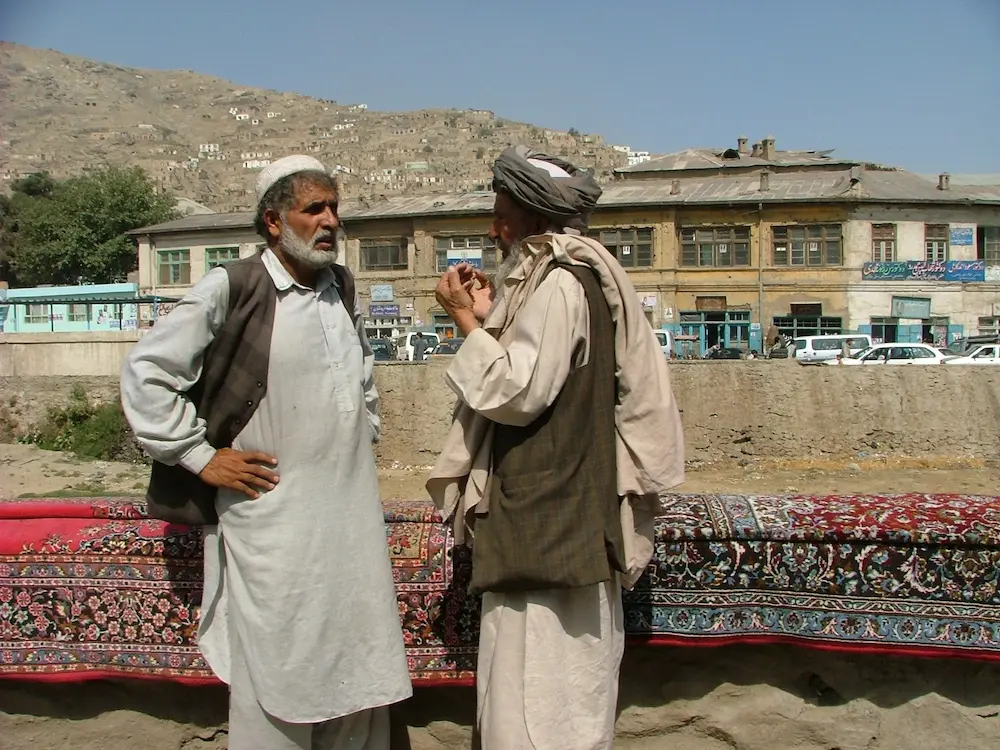
Few countries wear their history as visibly as Afghanistan. Buddhist stupas, Islamic minarets, and Silk Road caravanserais sit within a day’s drive of each other, often in the same valley. Alexander the Great’s armies passed through these hills, and so did merchants carrying silk, spices, and lapis lazuli toward Persia and beyond. Decades of conflict have damaged plenty, but a surprising amount has survived — sometimes because a site was too remote to touch, sometimes because local communities simply refused to let it fall apart.
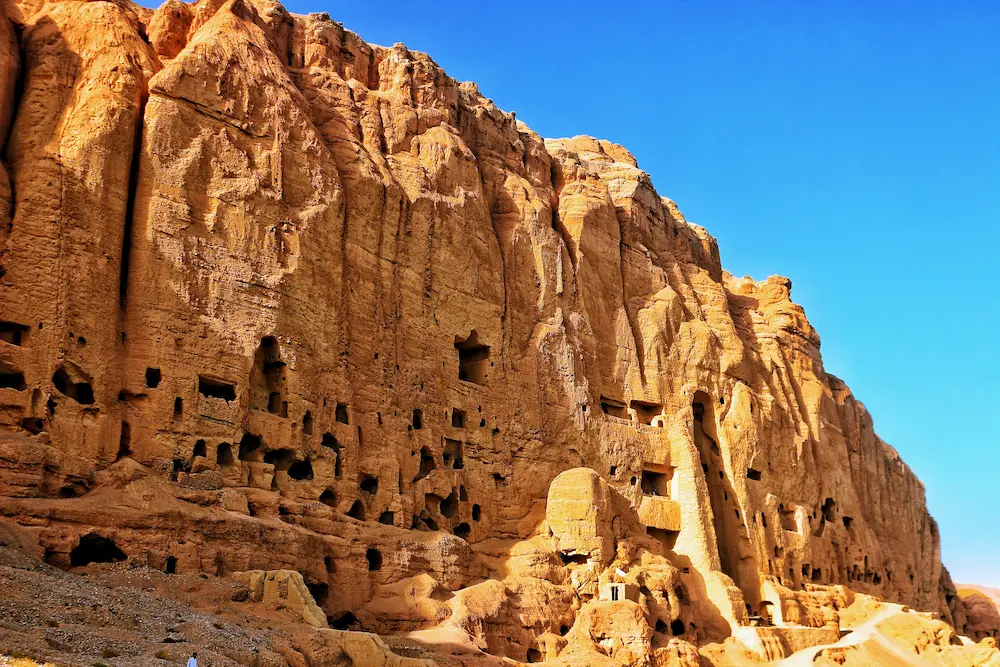
Bamiyan Valley Stand where the giant Buddha statues once stood — the niches are empty now, but the scale is still staggering, cut straight into a cliff face that dwarfs anyone standing below. Inside the caves, look for faded frescoes dating back roughly 1,500 years, still clinging to the plaster in patches. The Bamiyan Cultural Center nearby is worth twenty minutes; the staff there tell the valley’s story better than any plaque could.
Minaret of Jam This one takes effort to reach — hours on a rough mountain road into the western hills — but that’s part of why it’s still standing. Built in the 1100s under Ghorid rule, the 65-metre brick tower is covered in Kufic script and geometric brickwork that’s held up remarkably well for a UNESCO World Heritage Site sitting this far from anywhere. No crowds, no gift shop. Just silence and a genuinely impressive piece of medieval engineering.
Herat Citadel (Qala Ikhtyaruddin) Alexander’s soldiers reportedly built the first fort on this spot, though what stands today has been rebuilt and reinforced many times since. Climb the thick outer walls for a proper view over Herat, then head into the rooms that trace the city’s run as a center of art, poetry, and scholarship. Herat’s citadel isn’t polished the way a European castle might be, and that’s part of the appeal.
Blue Mosque, Mazar-i-Sharif Known locally as the Shrine of Ali, this is the spiritual heart of the city and one of the most photographed buildings in the country — for good reason. The turquoise tiling catches the light differently depending on the hour, and the mosque’s resident white doves (locals say they’re a sign of the site’s sanctity) circle the courtyard constantly. Nowruz brings the biggest crowds, when pilgrims gather here to mark the Persian New Year.
Cultural Heritage Experiences
- Walk through a crumbling caravanserai that once sheltered Silk Road traders — several survive along old trade routes near Herat and Balkh.
- Sit in on a Sufi gathering if the opportunity arises; devotional music and poetry recitation are still very much alive in Afghan spiritual life.
- Visit a calligraphy or miniature-painting workshop in Kabul or Herat, where young artists are keeping centuries-old techniques going.
Food & Drink in Afghanistan
Must-Try Afghan Dishes
Kabuli Pulao The national dish, and the one you’ll see at every wedding and celebration table. Rice cooked with lamb, sweet carrots, and raisins — the specific balance of sweet and savory shifts from household to household, and everyone insists their version is the real one.
Mantu Small handmade dumplings stuffed with spiced meat and onion, then topped with a garlicky yogurt sauce and a scattering of lentils. A common starter when family or friends gather, and one of the more labor-intensive dishes on this list — someone in the kitchen has usually been folding dumplings for an hour before you sit down.
Kebabs Lamb or beef, threaded onto skewers, grilled over open coals until the edges char slightly. Served with fresh naan, chutney, and raw onion — you’ll find versions of this from roadside carts to upscale grill houses, and honestly the roadside version often wins.
Bolani Thin flatbread stuffed with lentils, potatoes, or herbs, then pan-fried until golden and dipped in a tangy chutney. Cheap, filling, and sold everywhere from street carts to tea houses — this is the snack you’ll end up craving after you leave.
Sheer Yakh Afghanistan’s version of ice cream, made with rose water and cardamom rather than vanilla. Rich, cooling, and a fixture at dessert stalls during the warmer months — a nice contrast if you’ve just come from a plate of kebabs.
Local Drinks and Treats
Doogh, a salted yogurt drink with a hint of mint, shows up at most meals and is genuinely refreshing in hot weather. Cardamom-spiked green tea gets poured constantly and doubles as a social ritual — expect a fresh cup every time conversation lags. Halwa and firni, both built from milk, flour, and sugar, round out most festive spreads.
Nature & Seasons in Afghanistan
Afghanistan’s geography swings from snow-capped peaks to fertile valleys, and the season you visit changes the trip almost entirely. Spring turns the highlands wildflower-green; winter can shut roads for weeks. Timing matters here more than in most countries.
When to Visit by Season
Spring (March to May) The best window for trekking and culture, hands down. Crimson and lime blossoms cover the central highlands, and Nowruz — the Persian New Year — fills the streets with music in mid-March.
Summer (June to August) Jalalabad and Kandahar turn brutally hot. Higher up, Panjshir and Bamiyan stay comfortably cool, making this the season for hidden lakes and wilderness trails rather than lowland cities.
Autumn (September to November) Crisp air, turning leaves, and lantern-lit tea tents — this is harvest season, with festivals celebrating wheat, grapes, and saffron. Stable skies make it a favorite for photographers.
Winter (December to February) Snow blankets the northern and central regions, and Bamiyan’s slopes see a small but growing ski scene. Some roads can drift shut entirely, so plan flexibly and check conditions before committing to a route.
Climate Zones and Travel Tips
Highlands (Bamiyan, Badakhshan): Cold winters, cool summers — spring and fall bring the most pleasant hiking weather. Lowlands (Herat, Jalalabad): Hot summers, mild winters — aim for spring or autumn if you want comfortable conditions. Deserts (Registan region): Mid-year heat is brutal even after sunset; avoid hiking or touring here during peak summer.
Weather in Afghanistan
Afghanistan has a dry continental climate with sharp seasonal swings. Lowland cities like Kabul and Jalalabad run hot and dusty in summer, while winter brings snow and sub-zero nights, especially in the highlands. Rain is light overall and concentrated in spring — most of the year stays dry.
Adventure & Outdoors in Afghanistan
Top Outdoor Experiences
Hiking in Bamiyan Trek through the valley past the empty Buddha niches and out into fertile farmland. Band-e-Amir National Park’s turquoise lakes are the highlight — genuinely surreal against the surrounding rock. The historic fortresses of Shahr-e-Gholghola and Shahr-e-Zuhak add sweeping viewpoints, and winter even brings a small emerging ski scene for the adventurous.
The Wakhan Corridor A narrow high-altitude strip bordering Tajikistan and Pakistan, popular with serious trekkers. Camp near yak-herding communities and keep an eye out for snow leopards or Marco Polo sheep if you’re lucky — summer is the only realistic season, when the mountain passes clear.
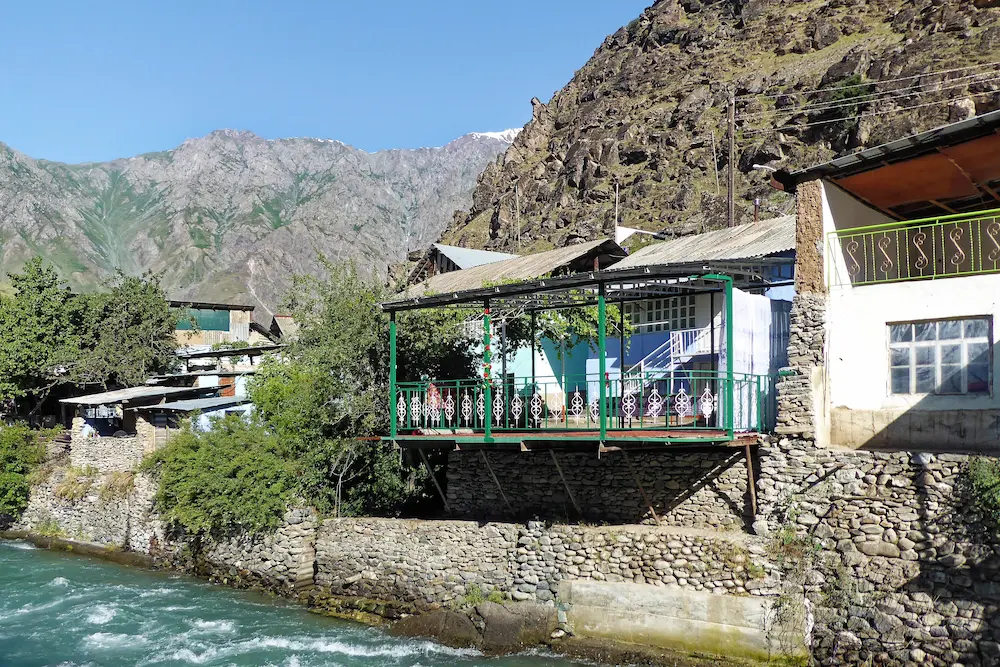
Panjshir Valley Trails run alongside glacial rivers and farms terraced into the hillsides. Locals here are known for their hospitality and their stories, many tied to the valley’s history of resistance. Autumn turns the whole valley into a wall of color under clear blue skies.
Mountain Passes & Road Trips The Salang Pass climbs above 3,000 metres and delivers views worth the vertigo. Push into Nuristan or Badakhshan in a proper 4×4 and you’re firmly in alpine-legend territory — just note that some roads require local permits or a guide, so plan ahead rather than showing up and hoping.
Adventure Tips
Hire a local guide — they know the terrain and the culture in ways no map can replicate. Take altitude seriously: go slow, drink more water than feels necessary, and listen to your body. Pack proper boots, windproof layers, and solid sun protection; conditions shift fast at elevation.
7-Day Afghanistan Itinerary
Day 1 — Kabul. Morning at Babur’s Gardens, afternoon at the National Museum of Afghanistan, evening bargaining for carpets on Chicken Street. Stay in a guesthouse near Shar-e-Naw.
Day 2 — Kabul to Bamyan. A six-hour scenic drive west. Stand before the Bamyan Buddha niches, then a soulful dinner of lamb kebabs and saffron rice with locals by firelight. Stay in a local homestay — bring warm socks, nights are icy even in summer.
Day 3 — Bamyan to Band-e-Amir. Visit Afghanistan’s first national park and its turquoise lakes. Rent a paddleboat, share bread and yogurt with a local family, and camp under a genuinely star-filled sky.
Day 4 — Back to Kabul, then Herat. A short flight to the city of poets and blue mosques. Visit the Friday Mosque and walk the Herat Citadel as the call to prayer echoes at sunset.
Day 5 — Herat’s Hidden Corners. Wander the bazaars for spices, silk, and copperware. Visit the Gawhar Shad Mausoleum, then try mantu at a small local café.
Day 6 — Mazar-i-Sharif. Visit the Blue Mosque, join pilgrims feeding white pigeons, and browse the Rawza Bazaar for pomegranates.
Day 7 — Farewell. A final walk to the Shrine of Hazrat Ali, then a last Afghan meal — Kabuli Pulao with almonds and raisins.
Hidden Towns & Villages in Afghanistan
Away from the main cities lie Afghanistan’s quieter corners — places where traditions move slower and the crowds haven’t arrived.
Band-e Amir’s Blue Lakes
In Bamiyan Province, six interconnected highland lakes hold UNESCO Tentative List site. The drive there passes dusty valleys and quiet Hazara villages before the turquoise, mirror-still water comes into view. Spend a full day here if you can — the color shifts from cobalt to cerulean as the light changes.
Istalif — Pottery and Patience Near Kabul
An hour northwest of Kabul, Istalif is known for vibrant handmade pottery, a craft that’s survived generations of hardship. Narrow streets carry the smell of apricots, and terraced orchards cascade down toward the Koh Daman mountains. It’s an easy half-day trip from the capital.
Nuristan — The Land of Light
A remote region in the eastern mountains bordering Pakistan, historically isolated enough to preserve its own languages and wooden architecture. Getting there means narrow, sometimes rough mountain roads — this one is for travelers with time and a sense of adventure, ideally with a local guide.
Minaret of Jam — A Forgotten Tower in Ghor
Hidden in the western hills, this 65-meter brick minaret was built in the 1100s by Ghorid craftsmen and is a UNESCO World Heritage Site. Reaching it takes effort — there’s no easy road — but the reward is a genuinely quiet, remote site with detailed Kufic calligraphy still visible on the brickwork after 900 years.
Panjshir Valley — Calm North of Kabul
Less than three hours from Kabul, Panjshir is one of the country’s most peaceful regions, ringed by the Hindu Kush with the Panjshir River running through it. Stone-and-wood village houses, summer fruit orchards, and the tomb of Ahmad Shah Massoud make it a place people visit as much for the calm as for the history.
Why these places are worth the detour: Afghanistan’s remote regions carry a different pace of travel — fewer fixed sights, more genuine interaction with people who rarely see visitors. If you go, hire a local guide, travel respectfully, and expect simple, warm hospitality rather than tourist infrastructure.
Shopping & Souvenirs in Afghanistan
Must-Buy Items In Afghan Tour
Afghan Carpets & Kilims Hand-knotted Afghan rugs are among the most recognized in the world, often taking months to weave by hand using wool dyed with natural pigments. Look for tight, even knotting and vegetable-dyed wool if you want something that’ll hold its color for decades — Kabul’s carpet bazaars are the easiest place to compare quality side by side.
Lapis Lazuli & Gemstones Afghanistan holds some of the planet’s oldest lapis lazuli deposits, prized for its deep, almost otherworldly blue. Tourmaline, emerald, and ruby also come out of the rugged Panjshir and Badakhshan valleys. Buy only from a reputable, conflict-free dealer — ask directly where a stone was sourced.
Handmade Jewelry & Embroidery Kuchi jewelry is bold, colorful, and heavy on intricate metalwork — a striking gift if you want something with real presence. Suzani embroidery, usually worked into scarves, bags, and jackets, features looping floral patterns in bright thread.
Spices, Saffron & Green Tea Herat’s saffron now rivals Iran’s in both flavor and color, and its price still surprises most travelers used to European prices. Pair it with a spice mix or high-quality green tea — both pack easily and get used at home long after the trip ends.
Local Art & Pottery Hand-painted ceramics from Istalif look striking on any shelf back home. Stick to artisan collectives or NGO-run shops where possible — it’s the easiest way to make sure your money actually reaches the maker.