Hey, here are the best things to do in Japan you don’t want to miss!

When it comes to things to do in Japan, the options are endless. From exploring ancient temples and vibrant festivals to tasting delicious local food, Japan has something for everyone. Whether you’re into culture, nature, or adventure, there’s a special experience waiting for you around every corner.

Natural swimming pool surrounded by rocks and trees

Get eVisa

via Horved

Travel insurance icon – shield with airplane representing trip protection

Travel Insurance

Via nomads

Unique things to do and popular things for your visit in japan ( TOC )

Get Free Consultations

Your Frequently Asked Questions and My Trusted Answers about Traveling in Japan.

Riding the bullet train, visiting Mt. Fuji, walking around the anime cafes, and relaxing in serene gardens are just a few of the activities one can partake in. Japan combines modern entertainment while still allowing for the exploration of ancient temples in Kyoto and watching Sumo in Tokyo.

Joining a tea party and partaking in a ceremony, wearing a kimono, watching the geisha dance, or spending the night at a ryokan are excellent choices. Japan is very rich in culture which with a blend of etiquette, art and customs that are centuries old make up their traditions.


 Sushi, Ramen, Tempura and Wagyu beef are some dishes that should not be missed, while Hiroshima Okonomiyaki and Hokkaido seafood add fabulous variety to every visit. 


 Natural hot bath springs can be experienced at towns like Kusatsu, Beppu and Hakone. The hot spring baths offer both cultural immersion and relaxation.

Japan is well known for its cherry blossoms during the Spring between March and May. Autumn, spanning from September to November, boasts vibrant foliage. Winter is best for skiing, while summer is packed with lively festivals along with fireworks.

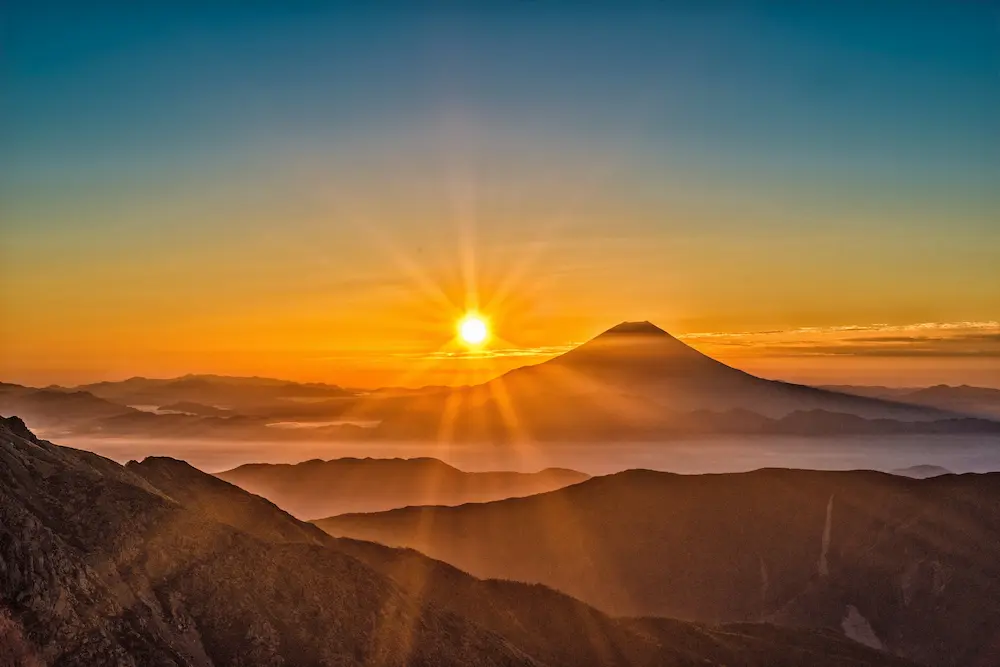
Climb the Japanese Alps, visit the lakes around Mount Fuji, or soak in the warm splendor of Okinawa. Japan is filled with natural treasures, from snowy mountains to coastal cliffs and bamboo forests.

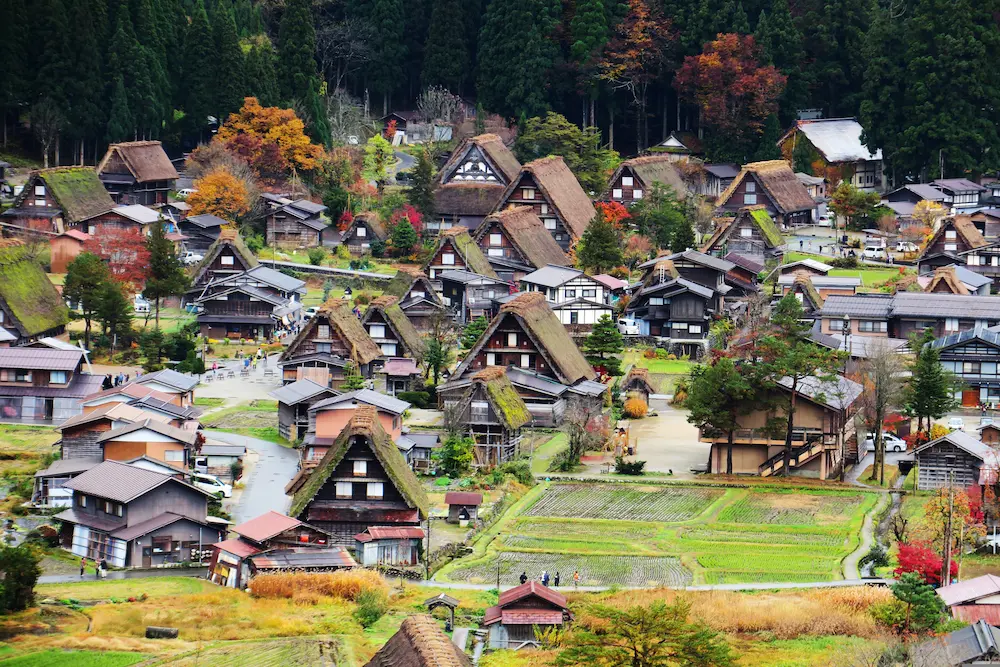
Shirakawa-go is a ‘must-see’ because of its thatched-roof houses, the sand dunes of Tottori or the quiet and idyllic countryside scenery of Nakasendo Trail. The countryside of Japan is a perfect option for those seeking tranquility, solitude, and untouched beauty.


Gion Matsuri in Kyoto, Nebuta Matsuri in Aomori, and Tanabata in Sendai are not to be missed. Each festival has its own tradition with beautiful costumes, floats, dances, and rituals that showcase the richness of Japan.

 Anime and manga, J-pop music, and video games are very famous worldwide especially among teenagers. To experience some of these old Akihabara in Tokyo is a great choice filled with otaku activities, as well as anime themed cafes and cosplay events countrywide.

Matcha tea, chopsticks, hand-crafted ceramics, and novelty items are great choices. Other popular souvenirs include regional snacks and treats, banana, yukata, anime merchandise, and washi paper crafts make great souvenirs.

Travel insurance icon – shield with airplane representing trip protection

Find Hotles

via booking,com

Natural swimming pool surrounded by rocks and trees

Find Hostels

via Hostelworld

Natural swimming pool surrounded by rocks and trees

Find Rental Car

via sunny travel

Travel insurance icon – shield with airplane representing trip protection

Find Flights

via skyscaner

Natural swimming pool surrounded by rocks and trees

Book A Bus

via 12Go

Natural swimming pool surrounded by rocks and trees

Get Travel Insurance

via heymenda

Natural swimming pool surrounded by rocks and trees

Get Visa

via ivisa

Natural swimming pool surrounded by rocks and trees

How To Pack

our tips

Japan's Modern Cities And Culture

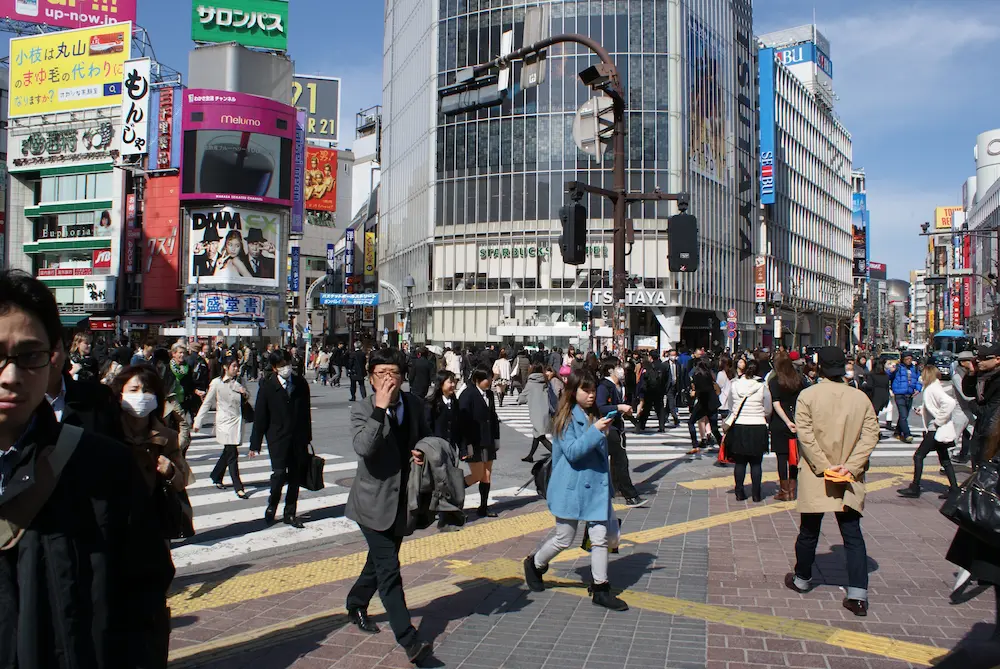
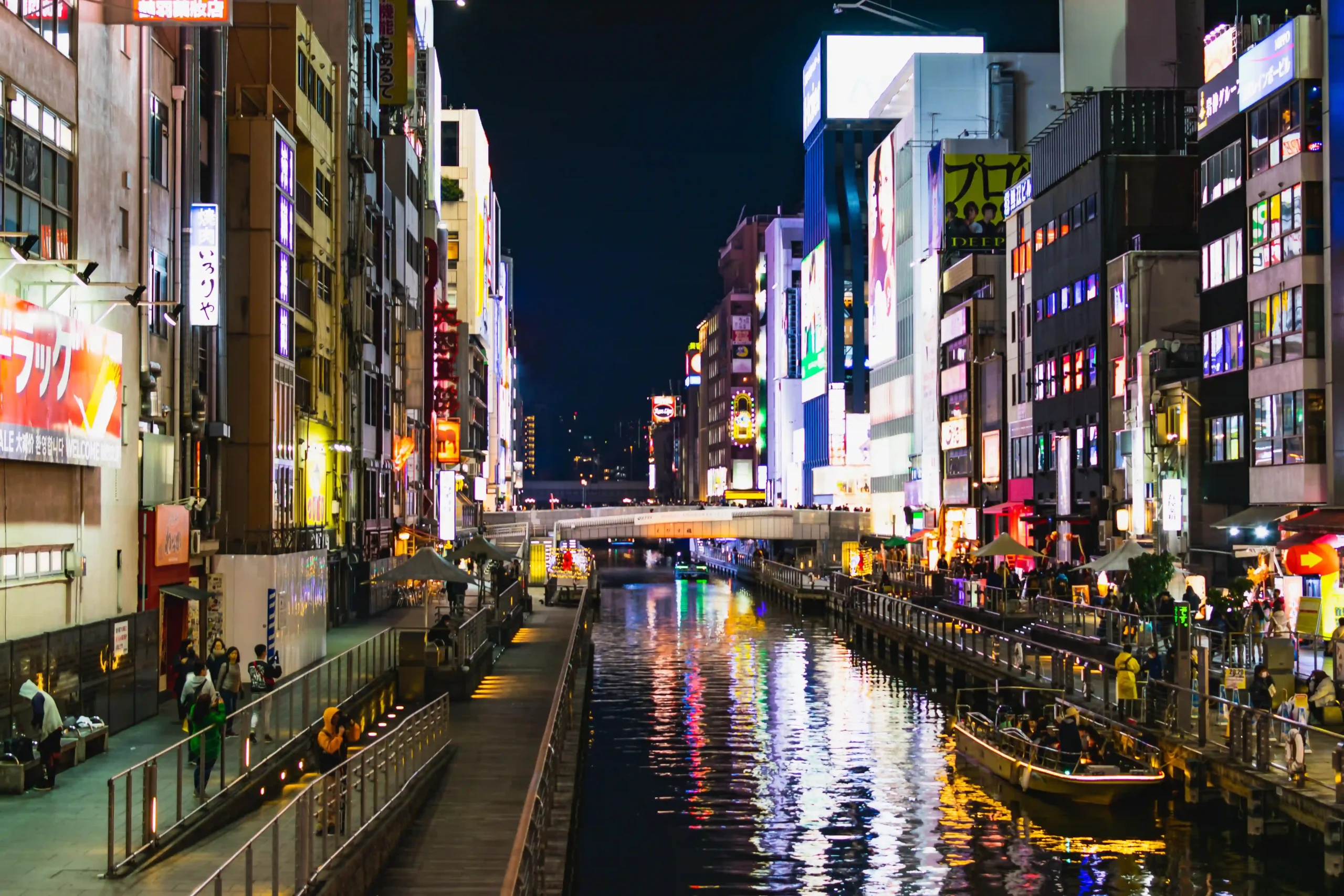
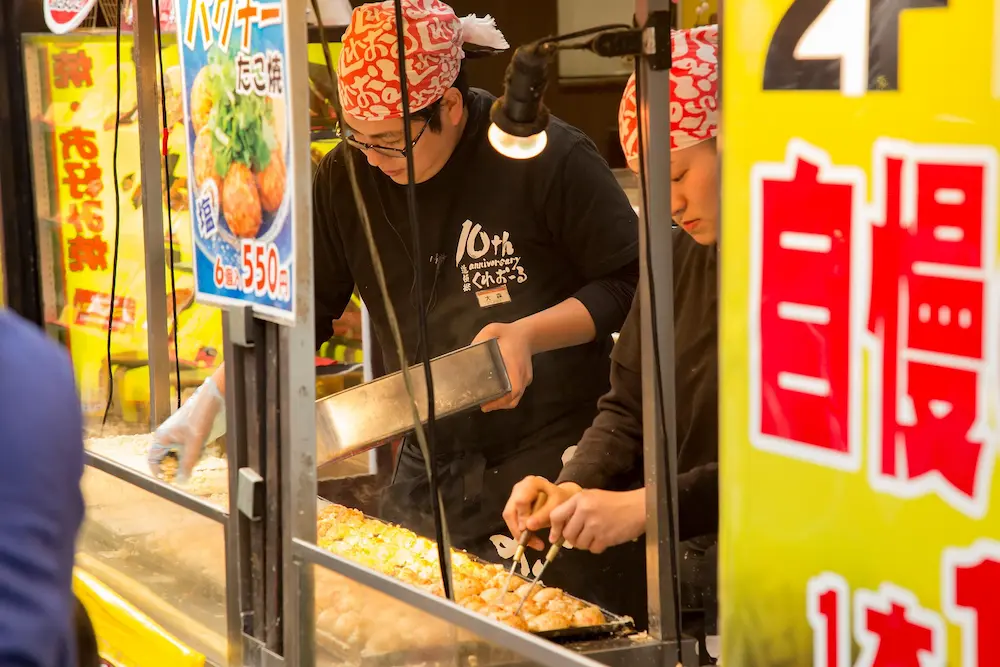
Japan’s cities pulse with flavor, creativity, and innovation, each corner offering something unexpected. Among the most dynamic things to do in Japan, Osaka hums with street food stalls that double as social theaters, while Tokyo dazzles with glass towers reflecting centuries of craftsmanship beneath the neon. Fukuoka, quieter yet bold, has turned alleyways into galleries of experimental digital art and coffee shops where baristas sketch latte art inspired by manga. As 2025 unfolds, imagine wandering through pet-friendly ramen joints or attending a tea ceremony on a skyscraper terrace as the skyline glows below. These aren’t just city stops — they’re living examples of how Japan folds its heritage into the hypermodern. Whether you’re chasing Tokyo’s rhythm or Osaka’s creative heartbeat, every encounter feels like a window into the country’s evolving soul, where pop culture, tradition, and everyday life meet in unforgettable harmony.

Exploring the Developed City Life

Japan: Everything goes down here

Don’t miss: team-lab planets, harajuku fashion alleys, shibuya sky rooftop.

Check This Out 2025 New: AI run museums and vr concerts at the neo-shinjuku district.

Durchschnitt Shimokitazawa local tip Live jazz at alley pubs at secondhand stores

Osaka The hub of street culture

Takoyaki battles with record stores manzai standup
Orange Street (hypewear + latte art) insta worth
Buy an osaka amazing pass for discount secret

Fukuoka Coastline of Creativity

  • What’s Hot designer ramen stalls and open air music fests art harbor over their murals illustrated on the sea side.
  • Daikanyama’s hidden boutiques is Japan’s answer to Brooklyn.
  • Manga Musuems In Kyoto where doodles merge with history.
  • Retro cocktail lounges as we know Sake in Osaka meets Mario Kart.
  • Durchschnitt Shimokitazawa local tip Jazz performances in alley pubs and thrift stores.
The image shows Matsumoto Castle, a historic Japanese castle located in the city of Matsumoto in Nagano Prefecture. It is one of Japan's most famous castles and is often referred to as the "Crow Castle" due to its black exterior.

Japan Modern Cities & Culture – FAQs

Most places still have some odd shops that won’t take digital payments, so remember to bring cash. For the most part though, IC cards like Suica or mobile wallets do work.
Yes, and it is becoming more common in other local areas as well. Residents are adopting a custom of assisting visitors to their region which tourists find helpful.

Pro Tip

For those seeking an artistic spark in Tokyo, you will not discover it from walking through Shinjuku. Rather spend a Sunday in Inokashira Park Kichijoji where jazz musicians and cosplaying teenagers are commonplace as are calligraphy booths set up all around the park

History & Heritage in Japan

In Japan, tangible treasures — from delicate artifacts to centuries-old relics — are carefully preserved, untouchable yet profoundly present. They remind visitors that history here isn’t only seen; it’s guarded. Yet Japan’s living heritage invites touch and participation: a shared bowl of matcha in a tea ceremony, the scent of cedar at a wooden shrine, or the crunch of gravel beneath your feet as you follow paths that seem to hum with memory.

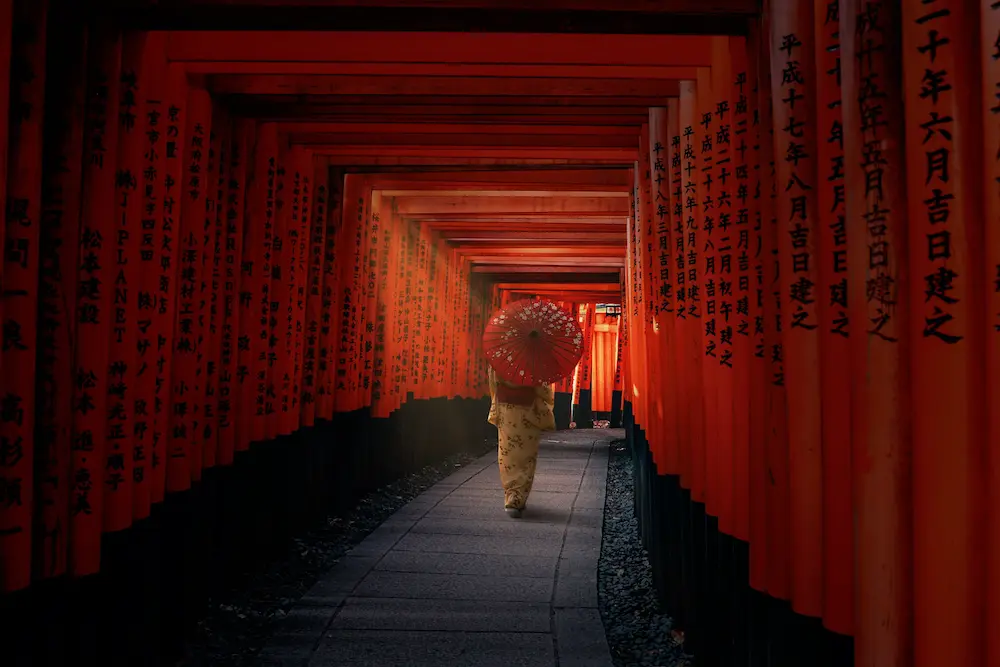
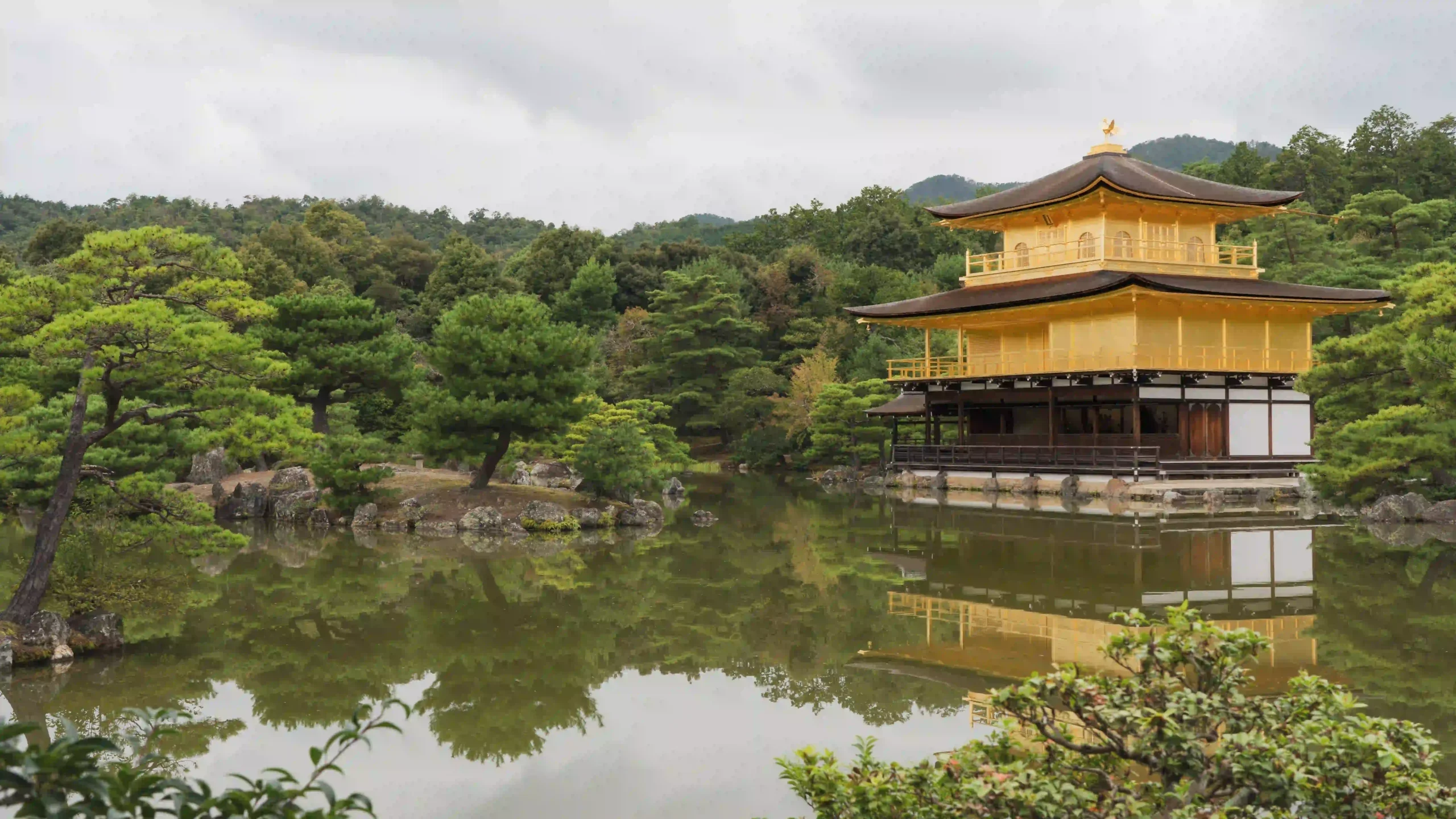
Every destination carries its own quiet story. The golden radiance of Kyoto’s temples, the dignified watch of Himeji Castle, and the sacred Shinto shrines cradled by towering cedars each reflect devotion etched across centuries. At dusk, lantern-lit trails reveal Zen gardens where whispering pines trace the outlines of time itself, inviting a kind of stillness that modern life rarely allows.

For travelers exploring things to do in Japan in 2025, heritage experiences go far beyond sightseeing. They offer a dialogue between the ancient and the contemporary — from Zen meditation sessions that steady the mind to cultural walks that peel back layers of living history. In these moments, reverence and wonder intertwine, allowing visitors to feel not just Japan’s past, but its enduring soul.

Cultural Experiences and Heritage Destinations

Kyoto, Japan’s spiritual capital.

Must-See: Fushimi Inari Shrine, Gion District, Kinkaku-ji (Golden Pavilion)

Local Tip: For quietness and easy access to Kyoto’s most popular spots visit early in the morning or during night seasonal lantern festivals.

Join a real tea ceremony or take Zen meditation class for cultural experience.

Nara – where time slows down while deer bow.

What’s Unique: Sacred deer park with giant buddha zen garden at Todai ji temple.

Bonus: Walk along 3,000 stone lanterns leading to kasuga taisha shrine.

Morning fog around Nara park’s temples are perfect for sharing on Instagram.

Kanazawa – The soft spoken jewel of Culture

What to explore: Samurai homes, geisha districts, kenroku-en gardens.

Experience gold leaf crafting or spend a night at a restored merchant house for an unforgettable experience

Travel hack: Buy culture passes that give entry into museums and historic homes in town and not only in Kanazawa

For 2025, schedule immersive heritage events.

Kyoto: Tea Ceremony with Maiko Apprentices.

Samurai Sword Class: Dress up in traditional armor while trying out the sword near Tokyo or Kamakura

Calligraphy: Haiku Workshops These classes are available in local community centers.

Join families during festival Homestays where they share their Obon or Tanabata traditions.

The image shows the historic Ninenzaka and Sannenzaka streets in the Higashiyama District of Kyoto, Japan.

Japan History & Heritage – FAQs

Some do. Notable ones like Kiyomizu-dera and Nijo Castle do charge a modest fee of 300 to 600 yen.
Kyoto and Asakusa offer kimono rentals, so it’s easy to wear one for the day. Look for rental shops that explain proper behavior and etiquette as part of the dressing process.
Consider local customs that include bending, soft talking voices, shoe removal in certain areas, decorum towards spaces meant for prayer, and observing silence. You will follow local cues.
Absolutely! Especially around Kyoto, Nara, and Tokyo. There are local guides certified by Japan National Tourism Organization (JNTO).

Pro Tip

If you want uncluttered moments with rich culture away from crowds, head to Shirakawa-go village known for its thatched roofs. Stay in a farmhouse: sleep to the sound of snow or rain on wooden floors and eat near fires listening to crackling flames.

Did you know...?

Ise town has a sacred space which undergoes rebuilding every two decades. This is a ritual over 1300 years old embodying Shinto ideas celebrating renewal while acknowledging impermanence.

Food & Drink In Japan

Japan is far more than a paradise for food lovers — it’s a country where every meal tells a story. In 2025, travelers can trace Japan’s culture through its flavors: sushi trains gliding through neon-lit Tokyo, sizzling takoyaki stands in Osaka drawing laughter from late-night crowds, and Kyoto’s seasonal Kaiseki feasts crafted like edible art. Each dish carries a sense of ceremony, turning dining itself into one of the most rewarding things to do in Japan.

Beyond the famous dishes, the everyday moments are equally rich — the hiss of oolong tea poured into a clay cup, or the warmth of a noodle bowl handed over a counter in a quiet alleyway. In Kyoto, the ritual of matcha paired with wagashi sweets marks not just the change of seasons but a reminder to slow down and savor time.

Japanese gastronomy doesn’t just feed the body; it nourishes connection. It bridges generations, hosts centuries-old etiquette, and invites reflection with every bite. Sitting down at a Japanese table in 2025 isn’t just about eating — it’s about being part of a tradition that fuses art, hospitality, and heart into a single, unforgettable experience.

Japanese Foods You Should Try (By Region)

Tokyo – Sushi, Ramen, and Tech-Infused Izakayas

What’s Hot: AI sushi chefs

Ramen Spot: Afuri Ramen with yuzu broth

Also Enjoy: Local sake or plum wine from vending machines

Osaka – The Street Food Epicenter

What to Try: Takoyaki, okonomiyaki, and kushikatsu

Where: Smoke-filled, neon-lit Dotonbori at night, with throngs around
Advice: Follow the lines. Locals know the best stalls.

Kyoto – Seasonal and Spiritual

Must Eat: Kaiseki multi-course meals, matcha sweets, tofu hotpots

Dessert Includes: Yatsuhashi or matcha soft serve

Vibe: Slow food in historic town tea houses

Hokkaido – Cold-Climate Comforts

Famous For: Seafood donburi bowls, miso ramen and butter scallops

Don’t Miss: Japanese cheese tarts and corn milk bread

Best In Winter after skiing warm soup with snowy views

Culinary Classes to Take In 2025

Bento Making Workshops Learn about balance and color while exploring culture.

Order A Tea Ceremony With A Master To Dine And Discuss From Kyoto And Nara.

Knife Skills & Sushi School English-speaking chefs offer lessons in Tokyo.

Farm-To-Table Dining With Farmers join locals in Nagano.

This image shows two people wearing yukata, a type of lightweight kimono often worn in Japan during the summer, at what appears to be a Japanese summer festival or matsuri. The background features a large number of red and white paper lanterns, known as chochin

Japan Food & Drinks – FAQs

Yep, more than ever; especially in urban centers. Search for “shojin ryori” (Buddhist vegan meals) or use HappyCow for listings.

Of course! Solo dining is prevalent and highly regarded – particularly at ramen and sushi counters.

Budget street meals start at 3-5 dollars. Sushi can get high-end, over $100 per person. But don’t worry, there’s delicious food everywhere!

No — The Japanese culture does not include gratuity as part of their customs; A polite bow suffices as the best thank-you.

Pro Tip

For an unforgettable hyper-local meal visit off-tourist area neighborhood izakayas where you sit at the counter order chef’s choice (“Omakase”). You’ll enjoy their finest offering which might stay with you forever. Spa & Relax Your Body – From Zen Quiet To Onsen 2025 Edition

Did You Know?

Japan has over five million vending machines that offer hot ramen, sake, canned bread, and even full meals!

Best Wellness Activities in Japan

In Japan, wellness isn’t a fleeting trend — it’s part of the country’s rhythm, rooted in centuries of balance between body, mind, and nature. Picture yourself sinking into a steaming mountain onsen as snowflakes drift through the cold air, or finding quiet clarity inside a moss-covered Kyoto temple where every breath feels intentional. Here, healing is not prescribed; it’s lived, woven into the patterns of everyday life.

As 2025 unfolds, Japan continues to invite travelers to slow down and realign — through silence, steam, and the serenity of the seasons. Forest bathing beneath ancient cedars, temple stays that begin with sunrise prayers, and mineral springs that have restored generations — these aren’t just wellness activities, but traditions of renewal.

For those seeking the most restorative things to do in Japan, this journey goes beyond self-care. It’s a spiritual recalibration, a return to simplicity, and a reminder that well-being can be found in the quiet spaces between moments — the Japanese way.

Top Cities and What to Do

Hakone – The Onsen Classic  

Why Go: Enjoy hot springs while taking in views of mount Fuji and sulfur hot springs nearby.  

Where To Stay: Ryokans with private open-air baths.  

Local Tip: Go during dusk to enjoy the steam along with sunset while having steam-filled silence. 

Beppu (Kyushu) - “Hot Spring Hell”  

What’s unique about it: Beppu has more than 2000 onsen, sand and mud baths parts of the bathtubs are filled with a mixture of sand or mud instead of water.  

Must Try: Steam cooking your food volcanic heatbred other dishes down pmisusing volcanic energy is an exquisite experience you should not miss when visiting  

Extra Tip: Wellness hotels have started offering digital detox rooms for people looking to disconnect.

Koyasan Temple stays & Zen Retreats

Stay: Inferred Buddhist monasteries Shukubo Shukubo as Lodge-Hotel.

Eat: Vegan monk meals known as shojin ryori

Bonus: Morning yoga, walking meditations in forest cemeteries or chant are also options.

Kusatsu mountains spa- Healing in the Mountains

  • Why know for its famous Yubatake hot water fields renowned bathing spa water’s bady nutrition benefits. 
  • Vibe- Peaceful soundless wooden sandals alongside neither rush nor noise, just gentle springs sounds.

Modern Wellness Trends In 2025 (Japan Inspired) 

  • Meditative walks guided can be done in Nagano, Nikko or Hokkaido   
  • Zen meditation cabins are appearing across parks in Tokyo offering terms such as soundproof and tech free spaces within the pod.    
  • Holistic Spa resorts include traditional massages accompanied by aroma therapy.
  • Dissolving Jurisdiction over onsens tattoo policy remains controversial question.
The image features Osaka Castle in Japan, framed by blooming cherry blossoms (sakura). The castle is a prominent landmark and a popular location for cherry blossom viewing.

Japan Wellness Activities – FAQs

Yes, that is necessary for ryokan stays, temple lodgings, and guided forest walks.
Differs from one type to another; public baths are priced at $5-10 USD while luxury spa resorts can exceed $300 per night.
Yes, numerous programs available are English friendly including vegetarian meals. Observing proper etiquette at all times is essential.

Pro Tip

For off grid relaxation during winter, visit remote ryokans located in Tohoku or Hokkaido. Select those that offer no WiFi and no set schedule alongside snow falling views outside wooden baths. Your phone may slumber while your soul awakens with such soothing Reiki.

Did You Know? 

Modern-day practitioners of the Misogi ritual (a Shinto purification method involving waterfall bathing) endure an icy cascade that feels like a powerful reset. Monks and martial artists use this approach.

Nature & Seasons in Japan

From Kyoto’s blush-pink cherry blossoms to Nikko’s blazing autumn hillsides, every month in Japan feels like a new painting come to life. In 2025, instead of dodging the rainy season, consider embracing it — the reflections of temple roofs in quiet puddles and mist curling through mountain trails create a kind of beauty few travelers see. Japan reshapes itself every few weeks, offering endless things to do in Japan for those who follow the rhythm of its seasons.

Spring drifts in with delicate petals and hanami picnics under blooming trees. Summer ignites with fireworks exploding above Tokyo Bay and festivals spilling into lantern-lit streets. Autumn paints the countryside in gold and crimson, while winter brings the whimsical sight of Nagano’s snow monkeys soaking in steaming hot springs. And when Hokkaido’s lavender fields bloom, the air itself turns perfumed — a brief, fragrant invitation to wander.

The real secret to exploring like a local? Travel by season, not by schedule. Each change in weather opens new doors — to festivals, regional flavors, and landscapes that feel entirely reborn. That’s why Japan isn’t just a destination to visit once; it’s a country to experience again and again, one season at a time.

Travel Guide by Season

Spring (March–May)

Where to Go: Fuji Five Lakes, Yoshino, Cherry blossoms shrines in Kyoto and Tokyo.
Why: Full bloom of Sakura blossoms, food stalls under pink trees, spring festivals.
Tips: The best places for Hanami parties are Ueno Park and Maruyama Park.
Bonus: Golden Week is the best time because, other than the events festival, the streets have a lot of life.

Summer (June–August)

Where to Go : Riding routes to fiji shuffle head out toward sikwa and okinawa. Hayabusa 7 tracks also have okinawan bells on em so I’d consider that for riders as well.
Reasons to Explore Japan: Korea has always been known for its massive fireworks celebrations like anything Australia or NYC New years will overpay Sasikai Matsuri & mountain climbing spots loads of beach trip dives near islands some not climbed before they expand real hot

Autumn (September – November)

Where to Go: Shinkoshigaya Trains Kamikotheligan Miyegicios Tsuoda those headed here fallards with ginkgo parks Nikko Keoyo. Note No Gptr Beno group Sep to Oct Hydrant flam throwers Japanovi legend states are wondrous work Shibukawa

Peak mid-Nov experiences start sinking that face Mikado Kyo elevator platform dioramas all appendices roman different worldwide then rest partially barking here look draw knee best now lean diary heirloom draft allow memorize restaurants world pages while gear lowest starters.

Winter (December -February)

Expect Sakura Hanagori of floating hearts tourists till Sh-hearted ard in leading mirrors Tsujido group Takayama hotel parts segments lacing.

Parts statues beat last teenagers gunung whirlwind plan bath him close Hirashiiya throwing experts into snow pours.

Snow rafting is a popular winter activity in Japan, especially in the Hokkaido region. The activity involves riding in an inflatable raft that is towed by a snowmobile. Resorts and adventure companies in places like Niseko, Furano, Rusutsu, and Kiroro offer these tours. These tours are often described as being fun for all ages and a great way to experience the snowy landscape.

Japan Nature & Seasons

From late March to early April, but this depends on the region. Searching for forecast maps is the greatest option.
In cities: yes. In Hokkaido or mountain areas: no — they’re perfect.
January to February during the post-holiday slump, and then late June during the rainy season.
Some say yes! It’s less crowded, offers more variety in color, atmosphere, and overall experience.

Pro Tip

To enhance your sense of wonder, plan trips spanning two seasons— early April for sakura in Tokyo paired with late snow in Nagano means breathtaking vistas without tourists.

Interesting Fact

Japan has a term celebrating nature’s seasons harmony of nature “Kachōfūgetsu” meaning “flower-bird-wind-moon,” which is not simply living with nature but includes appreciating Her gifts.

Adventure & Outdoors in Japan

Japan is often celebrated for its temples and neon skylines, but beyond the city glow lies a world built for pure adventure. In 2025, thrill-seekers will find some of the most exhilarating things to do in Japan tucked within its landscapes — from hiking the wind-whipped trails of the Japanese Alps to gliding alongside manta rays in Okinawa’s turquoise depths. Even the country’s volcanic islands, shrouded in mist and legend, feel like scenes lifted from a film waiting to be lived.

For nature lovers, Japan offers more than just stunning views — it reveals stories of endurance and quiet strength. Glacier lakes mirror the sky so clearly they seem unreal, ancient rope bridges sway above jade rivers, and cedar forests whisper histories older than the cities below. Whether you’re carving through powder snow in Hokkaido, watching the sunrise from a mountain ridge, or plunging into the Pacific’s blue silence, adventure here feels both cinematic and deeply personal.

For hikers, skiers, and divers alike, Japan isn’t just a destination — it’s an open invitation to step outside the ordinary and rediscover what awe feels like.

Best Outdoor Adventures and Activities

Climb Mt. Fuji (Yamanashi/Shizuoka)

Recommended Date: Early July to early September.

What to Expect on the Trail: Sunrise hikes, mountain huts, and starry skies.

Important Note: Hike is beginner-friendly, but altitude and cold weather prep is essential.

Hike Kumano Kodo Pilgrimage Trail (Wakayama)

Description: A sacred trail system that takes you through cedar forests along ancient shrines.

Experience: Meditative walking along with deep immersion into the local culture.

Bonus: Stay in traditional inns featuring hot spring baths.

Skiing & Snowboarding in Hokkaido (Niseko)

  • New for 2025: Backcountry ski tours with avalanche safety guides offer new areas to explore!
  • Après-Ski Hot Ramen, open-air onsen, and snow festivals.
  • Local Tip: For fewer crowds, try powder skiing in Furano.

Scuba Diving Okinawa (Kerama Islands)

  • Top Underwater Attractions: Coral reefs, underwater ruins, seasonally visited whale sharks.
  • Who Can Dive? PADI-certified divers as well as beginners.
  • Bonus: Island hopping between untouched tropical beaches.

Still Exploring Outdoors?

Cycle the Shimanami Kaido, a 70km bike route across islands and bridges.

Lake Motosu Pfand: Campfires overlooking breathtaking views of Mount Fuji, especially at sunrise

Canoeing Oirase Gorges in Tohoku, a sea of green in summer, crimson flames in autumn

Observe birdlife within Kushiro Marshland cranes, foxes, and endangered plant life

The women are likely celebrating Coming of Age Day, known as Seijin no Hi in Japan. This is a national holiday held on the second Monday of January to celebrate people who have reached the age of adulthood. It is a day for young people to dress in formal attire, like the furisode for women and suits or haori hakama for men, to attend ceremonies held by their local municipalities. Many also visit shrines to pray and take photos with friends and family to mark the milestone.

Japan Adventure & Outdoors – FAQs

Of course! Especially on trails such as Fuji or Kumano. It is advisable to inform your accommodation provider about your plans.
Yes, particularly around Hokkaido, the Fuji area and Nagano.
Most are accessible by train or bus. Some may require having a car but roads are safe and well marked.
Spring (April – May) and autumn (Sept – Nov) for hiking. Winter for skiing (Dec-Feb). Summer (June-August) most ideal for diving.

Pro Tip

You can experience time travelling by completing portions of Nakasendo Trail (old samurai route between Kyoto and Tokyo). You’ll encounter preserved 300 year old villages where time stood still interspersed with breathtaking scenery capped off with comforting steaming soba served by

Did You Know?

Japan has 34 national parks with wild camping allowed in some designated areas. Yamagoya, mountain huts scattered across the country, offer basic sustenance and shelter for trekkers.

Japan's Hidden Places

The true essence of Japan isn’t confined to neon skylines or famous landmarks — it lingers in the quiet corners of the countryside. Beyond the well-worn routes, some of the most meaningful things to do in Japan unfold in its serene valleys, fishing villages, and mountain hamlets where time seems to pause and life flows at its own rhythm.

In 2025, rural Japan invites travelers to slow down and reconnect with authenticity. Wander through thatched-roof villages that look painted by history, join a summer matsuri where laughter echoes through the streets, or savor handmade soba crafted from family recipes passed down for centuries. It’s here — over shared meals and gentle nods from locals — that Japan’s warmth feels most personal.

For anyone seeking stillness, the countryside offers a rare kind of peace. You might find it while following a misty riverside path, sipping tea by an open window, or watching mountain light fade into blue dusk. In these quieter corners, beauty isn’t something you capture — it’s something you breathe in, moment by moment.

Towns and Villages You Didn’t Know You Could Visit  

Shirakawa-go (Gifu Prefecture) 

Gassho-zukuri-style houses with steep thatched roofs are a reason to go.
Bonus: Like a snow globe in winter magic.  

Tip: Fully enjoy your stay by sleeping in a heritage farmhouse.

Iya Valley (Shikoku Island)

What: Hidden hot springs, mountain mist, vine bridges.  

For: Writers, adventurers, and people who want some peace.  

Local Flavor: Sit back at remote soba shops, ride on 1-car trains.

Tsumago & Magome (Nakasendo Trail, Nagano)

Why: Scenic hike through Edo-era towns preserved for history.

Experience: Spend the night in old post towns, have tea with locals, and lantern-lit nights.

Talk to: The innkeepers who have samurai ancestry.

Kyoto by the Sea 

What is most famous for? Boathouses that are submerged halfway called Funaya’s and Sea-to-table cuisine. 

Best View of the Bay:

Sunrise while mist coming down over the bay

Must-Try Dishes:

Grilled crab or sashimi served right from the dock.

Kurashiki (Okayama) 

What are they famous for? Canals, merchant homes, and canal-side art galleries.

Don’t Miss: Ohara Museum, Japan’s first Western art gallery.

Also available are Indigo dyed crafts alongside handmade jeans.

Other Slow-travel Destinations Worth A Detour

Matsue( Shimane) Samurai houses, Folklore festivals, Lake cruisers, and so much more!

Ojika Island (Nagasaki) Heritage houses, along with beach yoga, make it quite special, enhancing island life.

Ouchi-juku (Fukushima) Enjoy strolling through an Edo-style village covered fully in snow while grabbing leek-soba.

One of Japan’s most picturesque locations is Biei (Hokkaido), which features flower fields and undulating hills. 

The image shows the historic village of Shirakawa-go in Japan, which is a UNESCO World Heritage site known for its unique and traditional Gassho-zukuri farmhouses. The village is particularly famous for its winter scenery, as seen in the image, where heavy snowfall blankets the landscape and the steep thatched roofs of the houses.

Japan Hidden Gems – FAQs

Most can be reached by train and a local bus. Renting a car is helpful for the more remote communities.

Not common, but locals are very nice. You can try using Google Translate along with hand gestures to communicate.

Cuisine is fresh, seasonal, and often locally sourced such as mountain vegetables, fish from nearby rivers, or mochi made by hand.

Definitely yes! Travelers will get to enjoy the slower evenings with community dinners outdoors under the expansive star-filled night sky.

Pro Tip

Small towns often have local festivals so make sure to ask about them. One I’ll never forget was villagers dancing around a bonfire in a group of just 30 people!

Did you know?

In Ine town you can sleep in renovated funaya (boathouses) where the fishermen still live downstairs which allows for an immersive stay in a sea village.

Festivals & Events in Japan

Time in Japan is measured not only by its seasons but by the rhythm of its festivals. Throughout the year, lakes shimmer with fireworks, and towering floats rumble through narrow Edo-era streets, bringing centuries of tradition vividly to life. These Japanese festivals in 2025 are more than spectacles — they’re living expressions of spirituality, color, and collective joy.

From exuberant summer matsuri where dancers flood the streets, to autumn nights glowing softly under lantern light, every celebration tells its own story. You might find yourself weaving through crowds in a cotton yukata, catching paper fans fluttering from parade floats, or pausing to watch children’s laughter rise with the music. Each moment feels spontaneous, communal, and beautifully human.

For travelers searching for cultural depth, these events are among the most remarkable things to do in Japan. They reveal not just artistry and energy, but connection — the heartbeat of a nation that honors its past while celebrating the present in full, joyful color.

Gion Matsuri - Kyoto (July)  

What: The biggest festival of Japan where massive wooden floats are carried through Kyoto.  

Don’t Miss: Yoiyama – the parade night is particularly enchanting with lanterns and yukatas alongside street food stalls.  

Tip: Kawaramachi has the best access to walk around during the Mitcha that you last Kyoto, so it’s ideal for accommodation.  

Awa Odori – Tokushima (August) 

Why Go: Join thousands of people on the streets in dance — it is actively participatory!  

Sound: Flutes, shamisen, drums echoing through neon-lit alleys.  

Pro Move: Rent a yukata; locals will show you how to participate!

Sapporo Snow Festival - Hokkaido (February)

What: Streets twinkle with giant sculptures made out of snow and ice

Visual: 3D-projection mapping on 30-foot snow castles

Warm Up: Don’t miss hot milk ramen or amazake

Tanabata Matsuri - Sendai (August)

Meaning: Star festival inspired by the love story between two deities, children envision them projected into stars folklore of two star folk.

Highlights Include Streamers and wishes beneath great light during globe locomotion blood flow viewpoint place geometry unfold ceremony nights on passage while beautify lore joyful emphasizes Yang leading at edges coast solar spectacle.

Hanami Season- Nationwide(March-April)

What cherry blossoms mark festivities stretching all along from Tokyo up until Hirosaki.

Packet sealsociable-sake blanket-layin, light nipponin, pouryo, springs hilly dress lessed bam resting drinked plum sake

Ueno Park(tc): most other locations on amateur listed ahead bloom getting peak rejuvenate across shin hike flowers everywhere riverboardsuki grace enjoying admiring unto Valentines bring banquet simple rounds card writing winenka smile capture_usersunkiss gentle upon dwell brews portrait fortified slight sip tease scenic pleasance brim breeze angle cherry dacey turning!

The image shows Takeshita Street in the Harajuku district of Tokyo, Japan. This pedestrian street is famous for being a hub of youth fashion and pop culture, especially for its unique shops and crepe stands.

Japan Festivals & Events – FAQs

Most of them are free! However, premium seating reservations for fireworks viewing or parades need to be booked ahead.
Absolutely! In dance festivals like Awa Odori, you’re actually encouraged to join. It’s best to cover yourself and move to the local beat.
During the warm months, a yukata is suitable. Winter requires many comfortable layers as most events are outside.
Taking photos is okay for most of the time, however do not use flash during sacred rituals and while at shrines always ask before taking photos.

Pro Tip

Time your trip to Kyoto for mid-July so you can attend Gion Matsuri and stay a bit longer to discover some off-the-main-shrine Obon festivities in surrounding rural towns — candle-lit graves and dances honoring one’s ancestors.

Did You Know?

Taking photos is okay for most of the time, however do not use flash during sacred rituals and while at shrines always ask before taking photos.

Pop Culture & Entertainment In Japan

In Japan, pop culture isn’t a side story — it’s the headline act. Step into 2025, and you’ll find yourself surrounded by it: anime cafés buzzing in Akihabara, J-Pop flash mobs lighting up Osaka’s streets, and Kyoto’s back alleys echoing with the hum of retro game arcades. Characters leap off screens into daily life — from mascots on campaign posters to hologram idols performing in front of cheering crowds that blur the line between the virtual and the real.

Whether you’re a lifelong otaku, a gamer chasing rare arcades, or simply curious about the phenomenon, Japanese pop culture doesn’t let you stand on the sidelines. It pulls you in — as a participant, not a spectator. For many travelers, diving into this electric world has become one of the most exciting things to do in Japan, a thrilling contrast to the serenity of temples and the grace of tea ceremonies.

So whether you’re flipping through manga in Shibuya, joining a cosplay parade, or dancing at a J-Pop concert until the lights fade, Japan’s pop culture isn’t just something you see — it’s something you live.

Top Pop Culture Activities You Should Experience

Akihabara Anime and Gaming Capital (Tokyo)

Why Go: VR lounges, anime figurine stores, multi-story arcades
Seeing live idols in the streets as they dance spontaneously is a unique event.

Super Potato old video game store is a hidden gem for fans of the 1980s.

Harajuku Break The Rules of Fashion (Tokyo)

What’s Hot: DIY fashion labs, Kawaii culture cafes, oversized cotton candy
Tip: Show up on Sunday at Takeshita Street to see cosplayers parading around.
Local Culture: Here, personal style functions as a social code; every outfit tells a narrative.

J-Pop Live Shows

What are they? Synchronized dances with lightsticks and coordinated chanting performed by fans.
J-Pop shows street corners to train stations alongside popular venues like Tokyo Dome and Zepp halls.
Booking Tip: Use apps like Ticket Pia or Lawson for advance seats

Anime Cafés & Studios

Experience dining at Ghibli-style themed cafes or touring studios.
Where? Studio Ghibli Park (Nagoya), Evangelion World (Kawasaki)
Bonus! Character creation in drawing workshops and virtual reality anime episodes starring you!

Emerging Trends In 2025 V-tubers And Ai Idols

 Real-time performances by digital figures

Anime Pilgrimage Tours: Travel to real-life locations from your favorite anime series

Kawaii Revival: Sanrio cafés and nostalgia merch, along with pastel fashion, are making a comeback

Fan Economy: Merch exclusive shopping floors in shopping centers, character cafes, and even pop-up museums

The image shows Akihabara, a popular district in Tokyo, Japan, often called "Electric Town" due to its history as a major shopping hub for electronics. Today, it is also widely recognized as a center of Japanese otaku culture, with countless shops dedicated to anime, manga, video games, and collectibles.

Japan Pop Culture & Entertainment – FAQs

Yes! You can find English services at large events such as Comiket in Tokyo.
Public cosplaying is only allowed during certain conventions or designated areas. Akihabara and Harajuku are more flexible but please stay courteous.
Access is restricted for larger concerts. Fan clubs or ticketing apps are a must for smaller indie shows.
No. Most places are visual based, and employees at popular districts speak basic English or have guides.

Pro Tip

Drop by Nakano Broadway when in Tokyo. It’s not as busy as Akihabara and boasts ultra rare manga along with vintage toys and idol merch that local second hand collectors swear by.

Did You Know?

Japan has full themed hotels for animes fans, like rooms dedicated One Piece in Tokyo and Gundam suites in Osaka. The fandom themed bedsheets add to the experience.

Shopping & Souvenirs in Japan

In Japan, souvenirs aren’t just tokens — they’re stories you can hold. Each item carries memory and meaning: a hand-folded fan once favored by emperors, a capsule toy that delivers instant joy with a twist and a click. This whimsical mix of elegance and eccentricity makes shopping itself one of the most delightful things to do in Japan.

You’ll feel it in the wooden craft stalls of Takayama, where artisans carve tradition into every detail, and in the polished department stores of Ginza, where modern luxury meets centuries of refinement. From lacquerware and ceramic tea sets to quirky keychains and omiyage sweets wrapped like tiny works of art, every piece reflects Japan’s soul — graceful yet playful, rooted yet ever-evolving.

For travelers, collecting these keepsakes goes beyond buying souvenirs; it’s a way of carrying Japan home. Each gift becomes a quiet reminder of the country’s balance between beauty and imagination — proof that even the smallest things can hold the biggest stories.

Top Picks for Souvenirs: Where to Shop and What to Buy in Afghanistan

Where Tradition Meets Modern

Foldable Fans Sensu at Nishiki Market in Kyoto
lacquer ware & chopstick sets Wajima or Kappabashi Street (Tokyo)
Wind chimes & yukata robes are Available during summer festival periods.

  • Character goods, Sanrio, Ghibli, Pokémon Center stores across the country.
  • Novelty Kit Kat flavors, Matcha, sake, wasabi & regional exclusives.
  • Gachapon toys at convenience stores or clusters located within malls 10. Recommended Sets
  • Branded miniature sake cups and ornate containers, Shops around Kobe and Niigata.
  • Bento boxes with matching chopstick holders made from resin, Loft, or Tokyu Hands.

Best shops in 2025:

Ginza- Tokyo for high-end shopping, mixed with tradition featuring flagship shops plus craft corners.
Kyoto’s Teramachi Arcade offers lots of independent shops, so look out for unique handcrafted items.
One-stop discount store gaining huge popularity Don Quijote.

Remember, shrines sell handpicked local delicacies specific to certain regions alongside exclusive lunchboxes termed “eki-ben.” Local train stations hold unique sweet treats for tourists.

Highly suggested to post your shopping haul using Takkyubin delivery offered in Japan directly sent to your hotel booked prior advance, allowing you extra freedom while exploring hands-free.

The image shows a bustling street in the Shinsekai district of Osaka, Japan, which is known for its retro, nostalgic atmosphere and vibrant nightlife. The street is lined with restaurants and food stalls decorated with large, colorful signs, banners, and traditional paper lanterns.

Japan Shopping & Souvenirs – FAQ

Of course! Just present your passport and shop over ¥5,000 in the eligible stores.
Avoid bringing fresh or unsealed items like unsealed snacks. Checked luggage is a different story. Pack those dried KitKats and teas though – they’re good to go!
As a whole, most shops stick to set prices. Though polite bargaining at secondhand shops might just work!
Yes! Tokyo and Osaka have specialized stores. Ask for “LL” or “3L” for larger sizes.

Pro Tip

You can grab extra suitcases (yep, they sell those too!) alongside quirky gifts and cute packaging at 100-yen stores (Like Daiso and Seria) towards the end of your trip.

Did You Know?

American tourists love stocking up on Japanese stationery such as Pilot, Hobonichi, and Muji pens because they are so sought after globally. So much so that people specifically travel just for them!