
Bali Travel Guide 2026 — Everything First-Time Visitors Need to Know (Honest & Up to Date)
You could surf in the morning, walk through a thousand year old temple by the afternoon, and still have the best $2 meal of your life on your way home. Everything you could want is on one island. Bali is one of those special places.
Here is something interesting about Bali that most people don’t talk about. Most Bali guides are the same. They talk about the same temples, the same cafes, and have the same hidden gems. The thing is, those hidden gems stopped being hidden in 2015. The hidden gems will likely also be temples and cafes that the other guides have incorporated. But have no fear. I’m here to give you something that is not going to be a repeat of what everyone else is saying.
For the first time people going to Bali, I’m here with real numbers about what you’ll actually spend in 2026, where you will stay depending on what type of traveller you are, and where you should go (if you want to avoid ruined trips) that you will not see in the guides.

Razi Ansari—just a guy with a backpack, a camera, and too many stories from the road. I write about the real moments, the messy adventures, and the hidden corners of the world that don’t always make it to the guidebooks
Is Bali Worth Visiting in 2026?
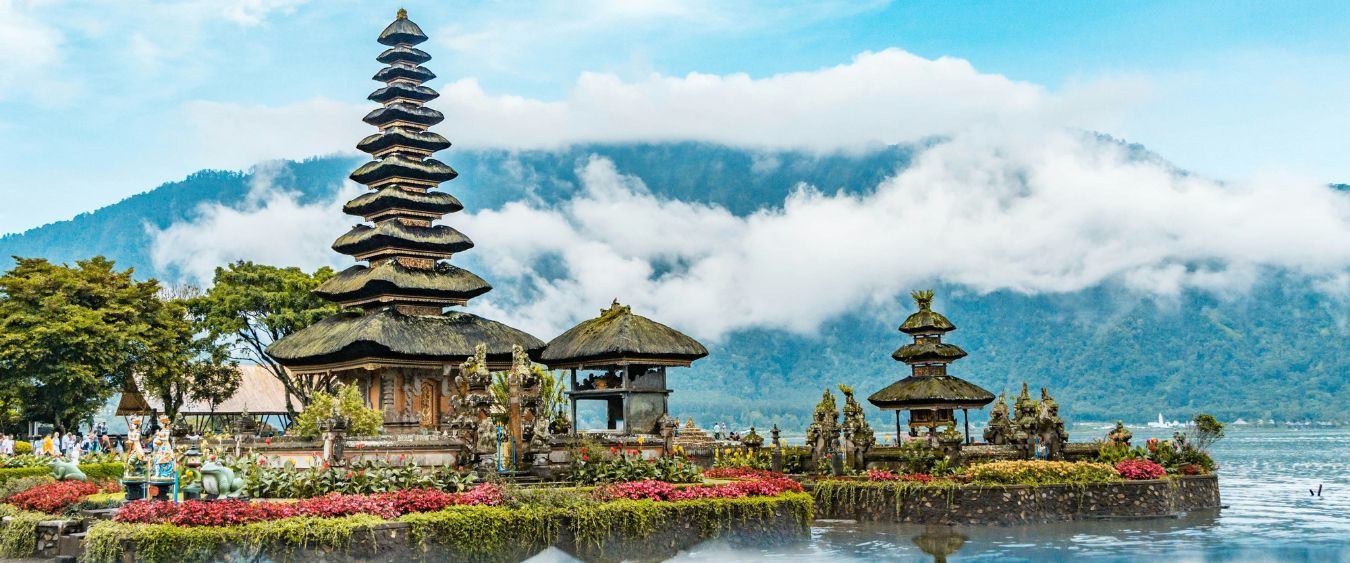
Short answer—yes. Long answer—much more useful.
Recently, Bali has topped TripAdvisor’s best of the best destinations list of 2026. Six million tourists each year makes the question really about whether Bali is worth the international praise rather than whether it’s good.
We’d say it lives up to the praise. But with some caveats.
The culture here could be really differentiated from the rest of the world, in a positive way. The cultural traditions don’t feel choreographed for tourists either. Food is great. Nature is beautiful and the price to experience it is really low.
Now for the drawbacks. Bali is crowded, and some locations definitely feel that. The traffic reports your patience and if you’re hoping for those secret, secluded paradises, you should remember that this island is a tourist hotspot.
Bali is a place. Nothing can take away the magic of Bali. Bali understands you you just have to understand the way to behave in Bali. We think Bali is a place to visit in 2026 but you have to plan your trip to Bali carefully. If you want to see more of Indonesia, not Bali we have a lot of information about traveling in Indonesia from Jakarta, to Yogyakarta.
Best Time to Visit Bali — Month by Month
Weather in Bali
Bali stays hot and humid year-round (26–32°C). The dry season runs May–October — sunny skies, low rainfall, perfect for beaches and temples. January and February are the wettest months with up to 350mm of rain. August is the driest month with as little as 15mm.
Blue skies and sunny days are waiting for you in Bali, but the timing of your visit can really impact your experience. Because the difference from one trip to another can be monumental, there’s a reason (or several) that Bali is a must visit destination.
April to June is the Sweet Spot
Visiting during this time is a no brainer. Early visitors, while the weather is nice, pay the price. Traveling now means more money in your pocket! Accommodation and travel are at the “shoulder season” prices meaning less crowded travel, and less overall expenses. The surf is up, and access to the magic of Bali is waiting. Temple visits and hikes to the famed rice terraces and beyond are the best at this time. The accessibility and lack of crowds this season provides is the no-brainer to pick your dates here.
July to August is Peak Season
This is Bali at its best (and its most expensive). Accommodation prices can be up to 25% higher than the rest of the year, and the best places get snapped up faster than you can say “book”. Beaches fill up, and so do the roads. If you plan on traveling to places like Ubud and Seminyak, expect them to be unnaturally crowded, too. If you can, enjoy the great weather and high energy, and bring a bangin’ budget.
September to October — Value Season
September and October are some of the best months in Bali and I’ll never understand why more people don’t know about them. The weather is still warm and dry, the crowds are gone, and prices return to something reasonable. If you have never been to Bali before, this is truly the best time to visit. The beaches are not overcrowded, breath slow and you see the island in peace. You will find, It’s comfortable to lounge at the beach and salt in the ocean whenever you want. If you have never been before, you should go in either September or October.
November to March — Rainy Season
With the rainy season, an unfortunate misconception is that it rains non stop. The opposite is true. The mornings in the sunny season are dry, and light rains come in the afternoon to evenings. The best part of the tourist season is that prices are significantly cheaper, and the lush green invite explore, and best of all, the crowds have thinned. The only exception I give is January and February. These months have frequent heavy rains. If Bali is on your mind during the rainy season, come during the beginning months of the rainy season.
Bali Visa Requirements 2026 — What You Actually Need to Know Before You Fly
Let’s address the annoying — yet vital — parts. The last thing you need is a stress-inducing travel headache.
The good news: For the majority of visitors, entering Bali is simple. This is everything you need to know about entering Bali in 2026.
Visa on Arrival (VOA)
The Visa on Arrival is IDR 500,000, or about $35 USD, and allows 30 days in Bali with the option to extend an additional 30 days, for a total of 60 days. This is paid at the Ngurah Rai Airport Arrival counter. Easy enough.
eVOA — Apply Before You Leave Home
The eVOA is the online pre-departure application. If eligible, travelers can apply for the eVOA online before departure and bypass the arrival queue and land with their application approved. If you despise lines, and you will at Bali Airport, then this is a good option.
It’s the same cost and duration of the visa, but you can do it before you get on the plane.
The All Indonesia Arrival Card — What You Need to Know
This is the one that surprises people. The All Indonesia Arrival Card has to be done online in the 72 hours leading up to your arrival. It merges Immigration, Customs, and Health Declarations and presents them as one QR code. Download, answer, take a screenshot of the QR code. You will need it at the airport.
The Tourist Levy — An Extra Expense
The Bali Tourist Levy is an extra and separately charged item, completely unrelated to your visa and is a mandatory provincial tax of level of IDR 150,000 (approximately $10 USD) that all foreign guests and visitors (including infants and small children) of Bali must pay.
Make a payment in advance on the official site Love Bali and don’t forget to keep your QR Codes in a screenshot, as the staff at the airport have a strict code of checking it before you reach the baggage claim.
Should the Love Bali app crash, in case of an online payment malfunction, don’t worry — you have an option to make a payment at the BRI Bank Counter in the International Arrival Hall in Bali.
How to Get to Bali
Knowing the steps makes getting to Bali easy; however, the airport experience is a major first time traveler challenge. Let’s break this down.
Ngurah Rai International Airport (DPS)
DPS is the only international airport in Bali. All international flights land in Ngurah Rai.
Direct flights to Bali are available from Singapore, Kuala Lumpur, Sydney, Tokyo, and several other major Asian cities. If you are flying from Europe, the US, or Ireland, you have to connect through one of the major Asian cities. Singapore and Kuala Lumpur tend to be the cities that you will fly through the most.
AirAsia, Scoot, and Jetstar, all budget airlines, cover the majority of regional routes. They frequently have deals that cover the connecting leg of your flight for a lower price than most full service carriers.
Deal Timing: The best deals on flights to Bali are typically available 3 to 4 months ahead of your travel. The flights in July and August fill fast and cost more. If you wait until the last minute during peak season, you will end up paying a much higher price.
Airport to Your Hotel – What No One Tells You
More interesting parts of a story can lead many to lose money within the first 20 minutes of their trip.
When you exit the arrivals hall, drivers will surround you, and will be very aggressive as they offer you rides. You should ignore this behavior, as it is in your best interest to do so.
Options to consider about drivers, in no particular order, are:
Grab – smart recommendation. Although Grab works brilliantly in Bali, it does not operate from the airport drop-off zone. The official Grab pick-up point is about a 10 to 15 minute walk from arrivals. It is not very clear, but it is signposted. Trust the walk. You will pay significantly less than a driver would charge.
Pre-booked private driver. With a transfer arranged before land, you will pay between $20 to $28, depending on your destination. Your driver will be waiting inside with your name on a sign. You won’t have to negotiate, and will know exactly what you pay. This is a great option for a first trip.
Blue Bird Taxi. You can rely on this one metered cab company. Look for their official desk inside the terminal. Any driver who would approach you should be avoided.
Hotel transfers
Hotels charge $40 to $60 for airport pickups. Unless someone else is paying for it, there’s no reason to use this when a private driver does the same job for half the price
Getting Around Bali — The Honest Transport Guide
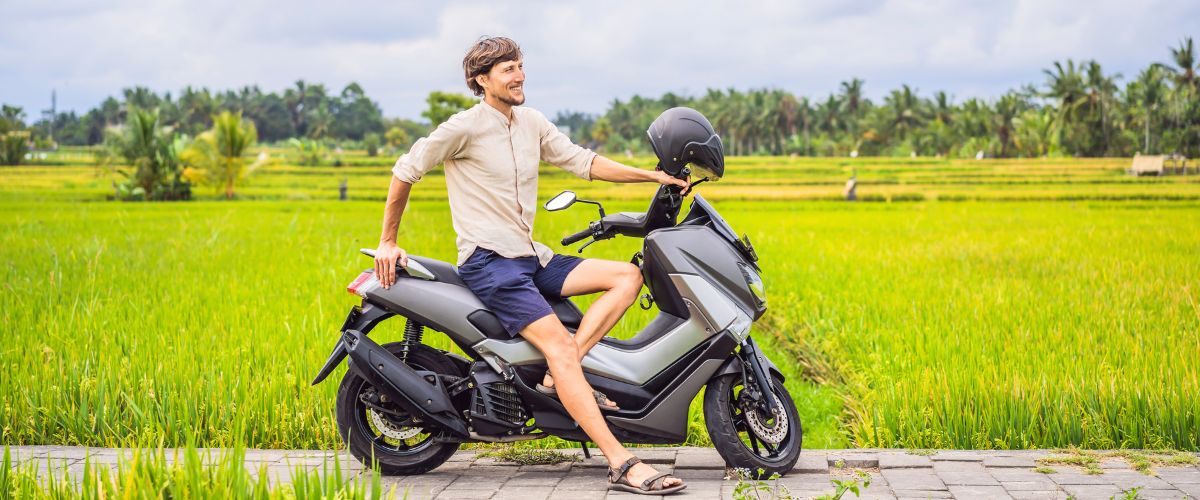
What you discover about getting around Bali will really influence your overall experience after you’ve settled down. Here’s how to actually get around.
Scooter Rental — Important Information
Renting a scooter is inexpensive, exhilarating, and gives you complete traveling independence. This is also where the most typical Bali tourist scam occurs, so ensure you are aware of this.
The damage scam does not look good for tourists. You rent a scooter and return it a full day later, and the rental company is now claiming to you that they have found scrapes on the scooter that were not there before.
The way to remove this scam is easy. Before you start the scooter, record a full video and take a full photo of the rental company’s scooter. Make sure to include all the scratches and indentations on the rental company’s scooter. Make sure to include a photo of the rental employees. Send this photo to yourself from your camera roll to prove the time stamp. This will completely remove the damage scam.
Here’s a list of the important information to know:
- Daily cost is from $5 to $8. Make sure to haggle, especially for longer time periods.
- You also need an international driving license because the police do check. The fines can also get you.
- Bikago is the most frequently mentioned rental company by seasoned Bali travelers, and for good reason.
- If you have never ridden a scooter, Bali is not the place to learn.
Grab and Gojek — Best For Short, Solo Trips
Grab and Gojek are reliable apps for getting around Bali. For trips that don’t require a full vehicle, Grab and Gojek come out cheaper than metered taxis and don’t require negotiation. You only need to confirm a price if you are okay with it.
Just note that both apps are absent from the airport. Use the designated pickup area and don’t try to use the regular pickup area either.
Private Drivers — Best Value For Exploring
Consider getting a private driver for the day to visit multiple temples or to explore a larger area. Best value option by far.
A private driver usually costs between $35 to $50 for the full day (8 to 10 hours). Consider getting a group of 5 or more to make it a day trip worth laughing about. Trading off between the group and private driver gets local knowledge, the ability to choose flexible stops, and know the best timing for individual attractions in addition to not having to deal with an individual ride negotiation.
Get the driver through your accommodation’s reception or trusted services like Klook or GetYourGuide. You can also trust most drivers recommended by other travelers in the same accommodation as you in Bali.
Best Places to Visit and things to do in Bali — Honest Area by Area Guide
Bali is a very diverse island that offers travelers many different types of experiences. This guide offers a comprehensive breakdown of Ubud, the best region to stay for culturally immersive travelers.

Ubud - The Heart of the Island's Culture and Nature
If you can only visit one region of the island, make it Ubud. Ubud is Bali’s cultural center and is one of the only regions that offers a culturally immersive experience outside of the beach.
Tegalalang Rice Terraces
You need to arrive before 7 AM to truly experience the natural beauty of the rice terraces, which are best appreciated at sunrise. The mist in the trees combined with layers of green cascading down the terraces is a breathtaking sight. By 9 AM the tour groups show up and the beauty fades. The best plan is to come early, appreciate the beauty for an hour, and then leave.
Sacred Monkey Forest
Visiting the monkey forest is a breathtaking experience that requires a little planning. You should remove all hanging jewelry, your sunglasses, and have a small bag that you can hold tightly in front of you. The monkeys are skilled thieves and are very bold.
Campuhan Ridge Walk
This free walk is probably the most beautiful walk in all of Ubud and is 100% underrated. It winds through rice fields and jungle for 9 km just outside of Ubud. The best time to visit is early morning before it gets hot.
Goa Gajah
The Elephant Cave temple, dating back to the 9th century. Genuinely atmospheric, not overcrowded, and only a short drive from central Ubud. Worth two hours of your time.
Ubud Traditional Market
Mornings only. After around 11 AM the market switches to tourist goods and the energy completely changes. Get there early for the real thing — local produce, food stalls, and actual daily life.
Seminyak and Canggu — Beach Clubs, Surf, and Good Coffee
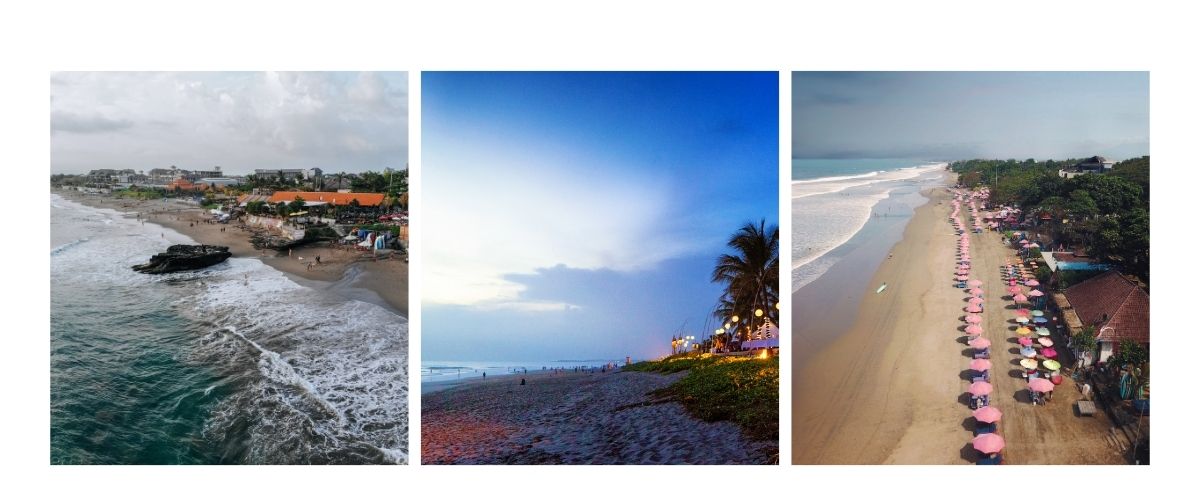
This is Bali’s lifestyle strip — Westernised, polished, and genuinely fun if that’s what you’re after. It’s not the most authentic part of the island but it does certain things better than anywhere else.
Beach clubs — Potato Head in Seminyak is the classic — stunning circular architecture, great cocktails, and one of the best sunset views on the island. La Brisa in Canggu is more relaxed, built from reclaimed wood, and has a crowd that’s slightly less “see and be seen.” Both are worth an afternoon.
Surf lessons — Batu Bolong Beach in Canggu is the spot for beginners. Consistent waves, loads of instructors on the beach, and a very forgiving break. Expect to pay around $25 to $35 for a two hour lesson including board.
Coffee — Sisterfields and Crate Cafe in Canggu are genuinely world-class. Not tourist traps — actual specialty coffee with excellent food. If you care about a good flat white in the morning, these are the places.
Sunset — Echo Beach in Canggu. Find a spot, order a Bintang, and watch the sun go down over the Indian Ocean. It costs nothing and it’s one of those Bali moments that sticks with you.
Uluwatu — Cliffside Temples and Surfing
If we had to pick one word to describe Uluwatu it would be dramatic. There is a 1,000 year old sea temple at the coast, and surf that is some of the best on the island, all under limestone cliffs that drop 70 metres into the Indian Ocean.
Uluwatu Temple
One of the six main temples in Bali, and a magnificent must-see. This temple is best visited at sunset. The light on the cliffs reflecting to the temple is something you have to see to believe. Don’t forget your sarong.
Don’t forget to take all your possessions before you go in because the monkeys will take them. They are the strongest and most bold of all the monkeys in Bali.
Kecak Fire Dance:
A beautiful Bali tradition that is performed at a cliff side amphitheater at sunset. A must see with a price to match, be sure to book ahead. Generally around $10-$15 per person.
Padang Padang Beach:
Her name says it all. This beautiful beach is small, quiet and stunning. There is a rock pathway that leads to the cove but be careful because it gets busy.
Bingin Beach:
A perfect surfers beach with strong swells and dramatic cliffs. This is also the best beach to watch surfers because there are no warungs and minimal people who get in the water.
Nusa Penida — The Most Dramatic Scenery in Bali
Nusa Penida is a separate island, a 45-minute fast boat from Sanur — and it might be the single most visually dramatic place in all of Bali. The cliffs are sharper, the water is more turquoise, and everything feels wilder and less manicured than the main island.
Getting there — Fast boats run regularly from Sanur Beach. Book through your hotel or a trusted operator — prices vary but expect around $20 to $30 return. The crossing can be choppy so seasickness tablets are worth having.
Kelingking Beach — The T-Rex cliff. You’ll have seen the photo. It looks exactly like that in real life. You can hike down to the beach but the path is steep and the return climb is brutal in the midday heat — go early and take water.
Angel’s Billabong — A natural infinity pool carved into the rocks by the ocean. Swim only when the tide is calm — this is important, the currents here can be dangerous. Check conditions before getting in.
Manta Point — One of the best snorkelling and diving spots in Bali. Manta rays cruise through these waters regularly and genuinely getting in the water with them is an experience most people describe as the highlight of their entire trip.
Mount Batur — One of Asia's Best Sunrise Experiences
Mount Batur is an active volcano in Bali’s highlands and the sunrise trek to the summit is one of those experiences that belongs on any serious Bali itinerary.
You start at 2 AM. That part is non-negotiable — the timing is everything, because you need to reach the summit before the sun breaks the horizon. The climb takes around two hours at a steady pace. It’s not technical but it is steep in places and you’ll be doing it in the dark, so a head torch is essential.
At the top, on a clear morning, you get an unobstructed 360-degree view across the caldera, the lake below, and the ocean on both sides of the island catching the first light. People who’ve trekked all over the world consistently say this is one of the better sunrise moments they’ve experienced.
Guide is mandatory: not optional, not a suggestion. A guided package including transport, guide, breakfast on the summit, and return runs $60 to $80 all in. Book at least a week ahead, popular slots fill up fast, particularly in peak season.
Bali Travel Cost For 2026 — Real Numbers, No Guessing
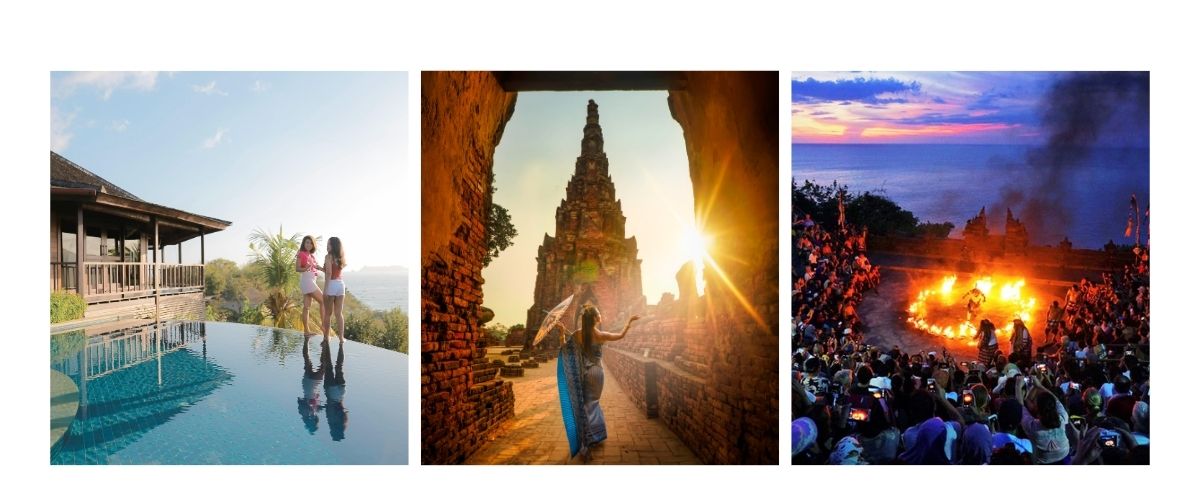
One of the biggest questions before any trip is simple — what is this actually going to cost me? Bali has a reputation for being cheap, and it is, but only if you know what you’re doing. Here’s an honest breakdown across every budget level.
Budget Traveller — $35 to $50 Per Day
Travelling on a budget in Bali eliminates the need to sacrifice quality. Bali has clean rooms to stay at, delicious food, and you can explore the whole island for under $50 a day.
To get a better idea of what this may look like, here’s a breakdown of a typical day. Wake up at a $12 guesthouse and for breakfast eat Nasi Goreng for $1.50. Rent a scooter and drive to the Tegalalang Rice Terraces. The entry fee is $4. On the way back grab lunch at a local warung for $3. Spend your afternoon at a beach, which has no entry fee, and eat a $4 dinner. For the day spend a total of $35, including where you sleep.
Mid-Range Traveller — $80 to $150 Per Day
This is the budget friendly area for most travellers. You’re staying somewhere genuinely nice, eating well at a mix of local spots and nice restaurants, not stressing about transport costs, and doing the activities you actually came for.
You’re spending on a private driver for the day, breakfast at Sisterfields and dinner at a much nicer local spot, a cooking class or temple tour, and a room with a pool and air conditioning. That is the cost of a good deal. Bali offers a very comfortable way to enjoy your vacation and save money.
Luxury – $200 or More per Day
The luxury in Bali is truly world class – and the value for money when compared to what one gets for $200 a night in Europe or the US is almost outrageous.A villa in Ubud or Seminyak with a private infinity pool, breakfast served on your terrace, spa treatments in the afternoon, followed by dinner in one of Bali’s really excellent high-end restaurants. The facilities for luxury travel are sophisticated and the service is top-notch.
Bali Food Guide — What to Eat, Where to Eat, and What to Avoid

Bali’s food culture is probably the best thing about this island – and one of the most overlooked. Read all about it below!
Best Balinese Dishes to Try
Nasi Goreng: fried rice that comes with a fried egg as well as crackers on the side. It is the nation’s favorite dish and there are places where you can eat it everywhere, ranging from $1.50 warungs to hotel buffets charging 10 times more for the meal. Warung’s nasi goreng will almost always be better.
Mie Goreng: the noodle version of the above-mentioned dish. Works according to the same principles, at the same price and quality level. Can’t choose which to try? Go for both – the cost of a set will be under $4 for sure.
Sate Lilit: the local satay made of chopped meat (chicken or fish) with coconut, lemon juice, and spices on the bamboo stick. Completely different from the satay that is popular in Thai or Malaysian cuisine. Try it in a street warung right out of the grill.
Gado Gado: Boiled vegetables, tofu, boiled eggs, and rice cakes accompanied by a rich peanut sauce. One of the most popular vegetarian dishes on the island, very satisfying and cheap.
Babi Guling: Roasted piglet of Bali prepared with a mixture of spices such as turmeric, galangal, and chilli. Not a halal dish but one of the most popular Balinese cuisines. The most famous place to taste this dish is Ibu Oka at Ubud and you need to go there early as it’s sold out by midday.
Bali Itinerary 2026 — Your Complete 7-Day and 10-Day Travel Plan
Planning a Bali trip usually starts the same way for most people: a hundred open tabs, three different “best itinerary” blogs, and a growing feeling that you’re going to either miss something amazing or spend half your trip stuck in traffic between regions that look close on the map but really aren’t.
Here’s the thing about Bali — it’s not one destination, it’s several. Ubud feels like a different country compared to Canggu, and Uluwatu has its own personality entirely. So your itinerary isn’t really about cramming in attractions, it’s about deciding how much of each version of Bali you want to experience, and giving yourself enough time in each one to actually enjoy it instead of just checking a box.
If you’ve got a week, you’ll need to be a bit more selective and probably stick to two or three areas. If you’ve got 10 days, you get the luxury of adding a slower pace, maybe a day trip to the Gili Islands or Nusa Penida, and some breathing room for the days where you just want to do nothing.
Below, we’ve broken down both options so you can pick whichever fits your trip, your budget, and your energy levels.
Top 15 Travel Tips To Bali That Nobody Told You About
Here are some information which would have been useful prior to arrival, but which were learned the hard way by actual travelers so that you do not have to go through all this trouble.
1. Grab does not work directly from the airport
Walk 10 or 15 minutes to the designated pick up spot. It is signposted. Do not take any car from those who approach you at arrivals.
2. Film your scooter before you ride it
Film everything and every scratch it might have. Share it with yourself via WhatsApp.
3. Money changers – authorised only, count it yourself
Do not walk away from the counter unless you have checked each bill. Rushing you is your cue.
4. Temple tickets – official booth only
Any person selling you a ticket outside the main gate is an unauthorised person. Entrance charges are low and prominently displayed at the official entry point.
5. Monkey Forest – zip your bags in front
Zip everything. Take off your earrings and sunglasses before entering. This is the same advice applicable in Uluwatu.
6. Roads in Nusa Penida are actually rough
If you have never ridden a scooter before, get a local rider for the day. These roads are unforgiving.
7. Book Mount Batur early
You need to book at least one week in advance, two weeks during peak season. Book the 2 AM slots first.
8. Use a Wise card for cash
Medium exchange rates, low fees, works well in all ATMs in Bali. This saves quite a considerable amount as compared to a normal bank card.
9. Withdraw from BCA and Mandiri ATMs
Steer clear of stand-alone ATMs in convenience stores – the fees are higher and more likely to be card skimmers.
10. Bring a dry bag
Essential for boat trips to Nusa Penida and beach days where you have the risk of getting your bag wet. A cheap one from home, about $10.
11. In rainy season, mosquito repellent is a must
Not the natural kind, DEET-based one. Put it on yourself before every evening outside activity and after going in water.
12. Travel insurance is mandatory
Hospital bills in private hospitals in Bali are huge, easily reaching several thousand dollars. The most popular ones among tourists are BIMC and Siloam and both are quite expensive without travel insurance.
13. Download offline maps before leaving your accommodation
Works perfectly fine with Google Maps. Some places in rural areas, terraces, eastern parts of Bali have very weak signal. Do not rely on data when exploring new places.
14. Haggling is an essential part of shopping in markets
Start your bargain at 30 to 40 percent off the asking price and then reach compromise. It’s not rude, it’s just how it goes.
15. Never forget to bring a sarong with you
You’ll be given one at most temples but some small and less famous temples will not provide you with it.
Yes — Bali was rated #1 destination in Tripadvisor 2026 awards. The combination of culture, nature, beaches and affordability makes it one of Asia’s best destinations.
7 days covers highlights. 10 days lets you explore Nusa Penida and Mount Batur properly. Most travelers wish they had stayed longer.
Yes — violent crime is rare. Main risks are scooter accidents, petty theft and minor scams. Use Grab, secure bags, avoid unmetered
taxis and you will be fine.
November to March (wet season) is cheapest.
For good weather + lower prices, April-June
or September-October are the sweet spot.
Most nationalities get Visa on Arrival
($35 USD, 30 days). Extendable once to 60
days. E-VOA can be applied online before arrival.