
Sri Lanka Travel Guide 2026: Sigiriya, Ella, Yala, Galle and the South Coast
If you’re planning your first trip to Sri Lanka, I’d build it around Sigiriya, Kandy, Ella, Yala, Mirissa and Galle. That route gives you a bit of everything without trying to cross the whole island: ancient sites in the Cultural Triangle, cool mountain scenery around Ella, a proper wildlife stop in Yala, and a few relaxed days on the southern coast.
The good thing about Sri Lanka is that these places can be combined into one trip. The catch is that distances on the map can be misleading. A journey that looks short can still take several hours by road, so if you only have 10 days, the order of your stops matters quite a lot.
This guide is built around that kind of trip. You’ll find practical information on what to see, how long to stay, transport, costs, weather, entry requirements and the mistakes that can make an otherwise good Sri Lanka trip unnecessarily stressful.

Razi Ansari—just a guy with a backpack, a camera, and too many stories from the road. I write about the real moments, the messy adventures, and the hidden corners of the world that don’t always make it to the guidebooks
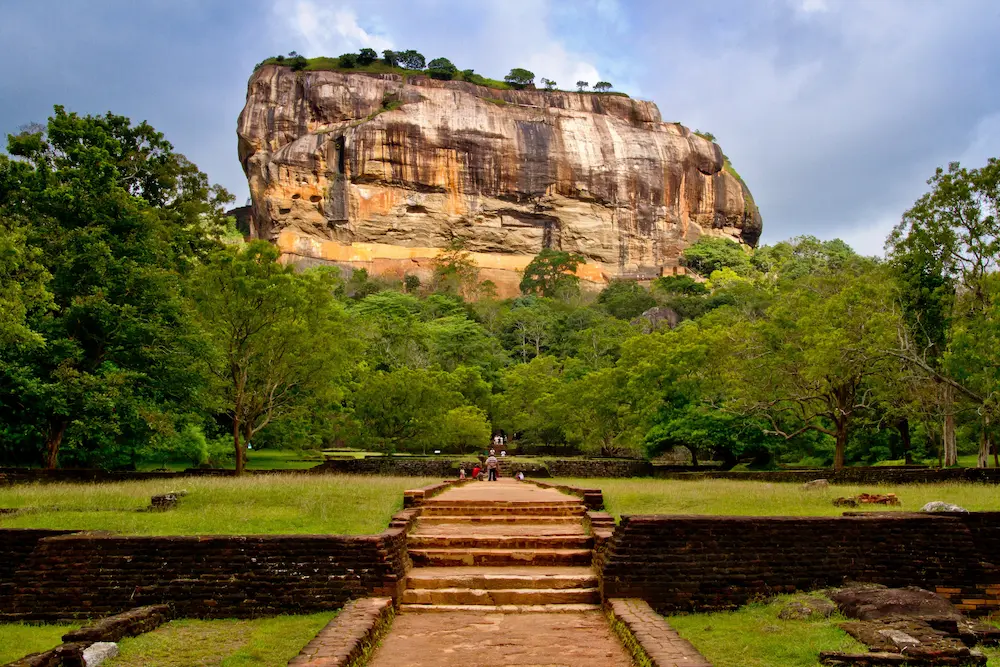
Sigiriya: Start With the Rock
Sigiriya is probably the first place I’d put on a first-time Sri Lanka itinerary. The famous rock fortress is impressive from the ground, but the real experience starts when you begin climbing it.
You’ll walk through the old water and garden complex before reaching the rock itself, then continue upwards through the Lion’s Paw terrace and a long series of stairs. There are roughly 1,200 steps, so this isn’t a difficult technical hike, but you’ll definitely feel the climb, especially if you arrive during the hottest part of the day.
I’d give yourself around 3–4 hours for Sigiriya rather than treating it as a quick photo stop. You’ll want time to stop at different levels, look at the remaining frescoes and Mirror Wall, take in the views and spend some time at the summit.
When should you climb Sigiriya?
Go early in the morning if you can. The biggest problem for many visitors isn’t the stairs themselves; it’s doing those stairs under strong tropical heat.
The site is generally open from around 6:30 a.m. to 5:30 p.m., although you should check the Central Cultural Fund before travelling because opening arrangements and ticket information can change.
For international visitors, the commonly published adult admission has been around US$35, while lower rates apply to some other categories, including SAARC visitors. Treat that as a figure to verify rather than a guaranteed 2026 price, because archaeological-site tariffs can change.
Once you reach the top, you’re standing on the remains of an ancient fortified complex with views stretching across the surrounding landscape. That’s the part that makes the climb worthwhile; you get a much better understanding of why this enormous rock was such a strategic location.
Sigiriya or Pidurangala?
This is one of those questions you’ll see everywhere, and honestly, the answer depends on what you want.
Sigiriya is the better choice if you want to explore the actual historical site. Pidurangala is the one I’d choose if your main goal is getting that classic view of Sigiriya Rock itself.
Pidurangala is generally cheaper, and the climb is shorter, but the final section is more rugged. You’ll need to scramble over rocks near the top, so don’t expect a completely constructed staircase from start to finish.
If you have a full day around Sigiriya, doing both is possible. Just remember that you’re effectively doing two climbs in tropical heat, so an early start makes a big difference.
Sigiriya is around 170 km from Colombo by road and roughly 90 km from Kandy, although the actual journey takes longer than those numbers might suggest. Traffic, towns and road conditions can slow you down considerably.
For a short trip, I’d stay around Sigiriya, Habarana or Dambulla for at least one night. Two nights are better if you also want to see Dambulla Cave Temple or make time for Polonnaruwa.
Galle Fort: Slow Down on the Southern Coast
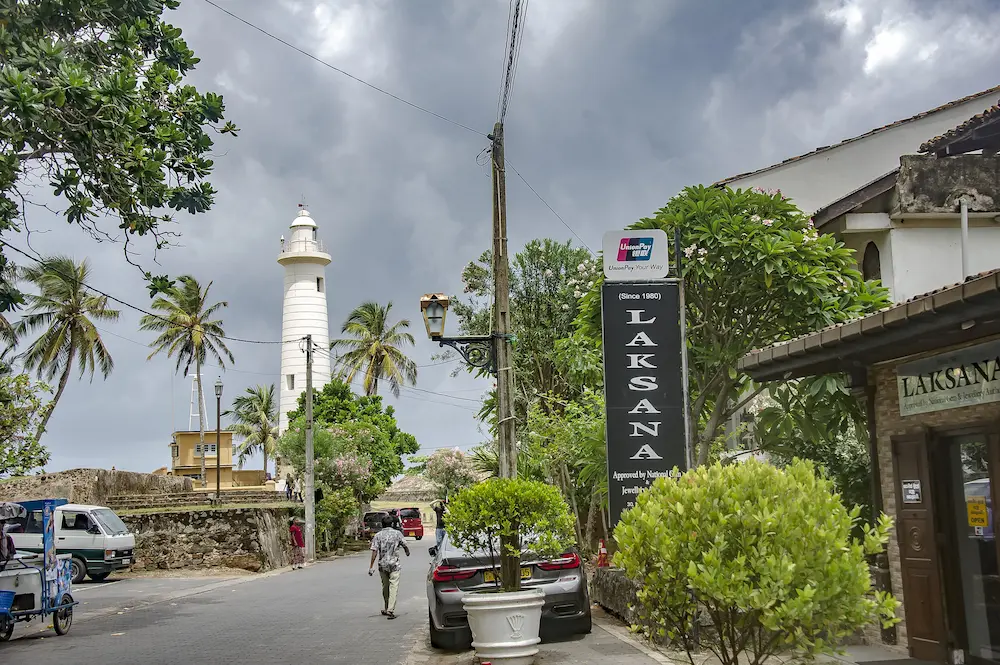
Galle Fort is the kind of place where you don’t really need a complicated itinerary. Once you’re inside, the best way to experience it is simply to walk.
Start around the main entrance and make your way through the old streets before heading towards the seafront ramparts. The fort is packed with Dutch colonial-era buildings, old churches, museums, cafés and restored houses, but you don’t need to visit every building to enjoy it.
The ramparts and lighthouse are the obvious places to see, especially if you’re there towards late afternoon. Walking around the fort itself doesn’t require one general entrance ticket, although individual museums and other attractions may charge separately.
I’d allow around 3–5 hours for Galle Fort. Morning is a better option if you want to visit museums and explore the streets before the heat builds up, while late afternoon is better if you mainly want to walk the ramparts and stay around for sunset.
One thing I like about Galle Fort as a stop is that it doesn’t require much physical effort after several days of travelling. After Sigiriya, Ella and Yala, having somewhere where you can just wander around with no early-morning alarm is useful.
Galle is connected to Colombo by road and rail, and it also fits naturally into a southern-coast route. If you’re coming from Mirissa, the drive is relatively short, making it easy to spend your final full day around Galle before heading north towards the airport.
Ella: Where You Slow the Trip Down
Ella is where I’d deliberately give yourself some breathing room.
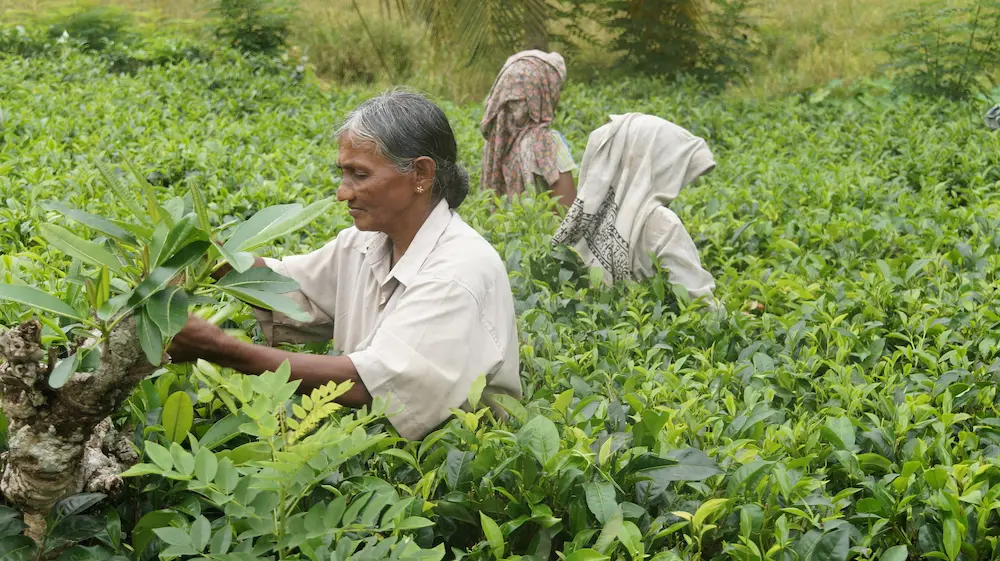
The town sits in Sri Lanka’s Central Highlands, surrounded by mountains, tea estates and hiking trails. You can spend two nights here and still have plenty to do without constantly jumping into a car.
The three places most visitors end up choosing between are Little Adam’s Peak, Ella Rock and Nine Arch Bridge.
Little Adam’s Peak
Little Adam’s Peak is the easier hike and a good option if you want mountain views without spending half your day on a trail.
The walk generally takes around 1–2 hours return, depending on how often you stop. There are steps towards the upper section, but it’s manageable for most reasonably active travellers.
I’d go early in the morning. You’ll avoid the worst heat and have a better chance of getting clearer views before clouds build over the hills.
Ella Rock
Ella Rock is a different story.
It’s longer, rougher and easier to get wrong if you don’t know the route. Depending on your route and pace, you could spend around 3–5 hours going there and back.
The trail includes sections around the railway line and some less obvious paths, so having an offline map is a good idea. A local guide can also make sense if you’re uncomfortable navigating the route yourself.
Again, start early. There’s little point beginning a longer hike late in the morning only to spend the hottest part of the day exposed on the trail.
Nine Arch Bridge
Is the Kandy to Ella Train Worth Taking?
Yes, especially if you have the time.
The Kandy–Ella railway journey is one of the most famous travel experiences in Sri Lanka, but I wouldn’t go into it expecting a perfect Instagram scene every five minutes. Your experience depends on the weather, your seat, how crowded the train is and which service you actually get.
The journey can take roughly 6–8 hours, and sometimes longer. So if you’re travelling from Kandy to Ella by train, treat it as your main activity for the day rather than something you’ll squeeze between sightseeing plans.
If you can get a reserved seat, particularly in first or second class, that can make the journey much more comfortable. Third class is cheaper, but popular services can become crowded.
Advance booking is worth looking at during busy periods. Check the current Sri Lanka Railways reservation system for availability and fares because prices and services depend on the train and class.
For a 10-day trip, I’d put the train on Day 4, after Kandy. That way, you’re not wasting a separate day travelling between the two places, and you arrive in Ella ready to spend the next day exploring.
Yala National Park: Your Wildlife Stop
After the mountains, Yala makes a natural next stop.
A typical Yala visit revolves around a jeep safari, with morning and afternoon drives available. If wildlife is a major reason you’re coming to Sri Lanka, I’d choose the morning drive if your schedule allows, partly because temperatures are lower and animals can be more active after sunrise.
The cost of a Yala safari is slightly confusing because there isn’t just one “safari price.”
You’ll normally have several components: park entrance and official charges, the jeep, and potentially guide or operator fees. Some companies quote a package price that includes everything, while others separate the costs.
That’s why I’d ask for a complete breakdown before booking. You don’t want to agree to a cheap jeep price and then discover that park charges and other fees are separate.
Private half-day safari prices in the commercial market can run into the tens of US dollars per vehicle, depending on the number of passengers, vehicle and inclusions. Full-day and more private arrangements cost more. Official park charges should be treated separately from these commercial prices and checked before your visit.
What about leopards?
This is where you need to ignore some of the marketing you’ll see online.
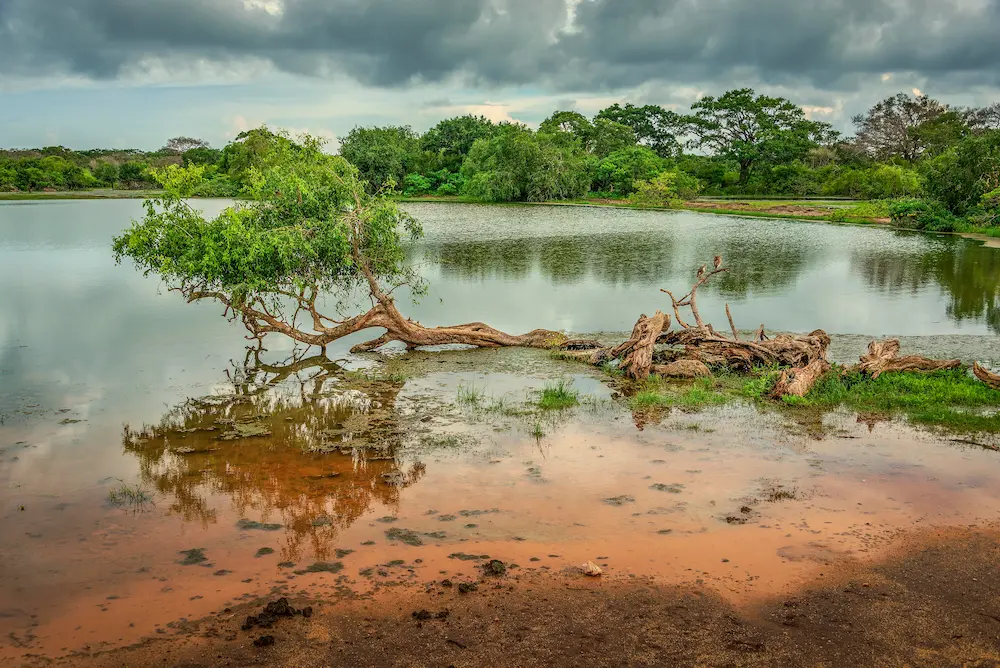
Yala is famous for leopards, but there is no guaranteed percentage chance of seeing one. Your chances depend on the zone open that day, weather, animal movement, traffic inside the park, season and plain luck.
A responsible operator should never tell you that a leopard sighting is guaranteed.
You may also see elephants, crocodiles, sloth bears and a wide range of birds, so even if a leopard decides not to cooperate, there is still plenty to look for.
For a first trip, one half-day safari is reasonable. If wildlife is one of your main interests, two drives give you more time and different opportunities.
Mirissa: Beach Time and Whale Watching
After Yala, Mirissa is where I’d slow everything down.
The beach is easy to explore, the town has plenty of places to eat and stay, and you don’t need to plan every hour of your day.
The main organised activity here is whale watching, with boats usually leaving early in the morning and spending several hours offshore.
Blue whales are the big attraction, but you may also encounter dolphins and other marine life. What you shouldn’t expect is a guaranteed whale sighting. These are wild animals, and even a well-run boat cannot control where they appear.
The main whale-watching season around Mirissa is generally associated with the November/December to April period, when the southern coast tends to have more favourable conditions. Weather and sea conditions still vary, so check locally before booking.
Prices depend heavily on the operator, boat size, season and what’s included. Some trips are shared and relatively inexpensive, while smaller or premium boats cost considerably more.
Before booking, ask a few simple questions:
- How many passengers will be on the boat?
- How long is the trip?
- Are food and drinks included?
- Is transport included?
- What happens if weather conditions are poor?
- What is the company’s approach to getting close to whales?
That last question matters. You’re much better off choosing a responsible operator than chasing the cheapest ticket.
Other Places Worth Adding
You’ll notice I haven’t tried to turn every major Sri Lankan destination into a separate chapter. On a country-level guide, that would just make the route harder to understand.
Kandy
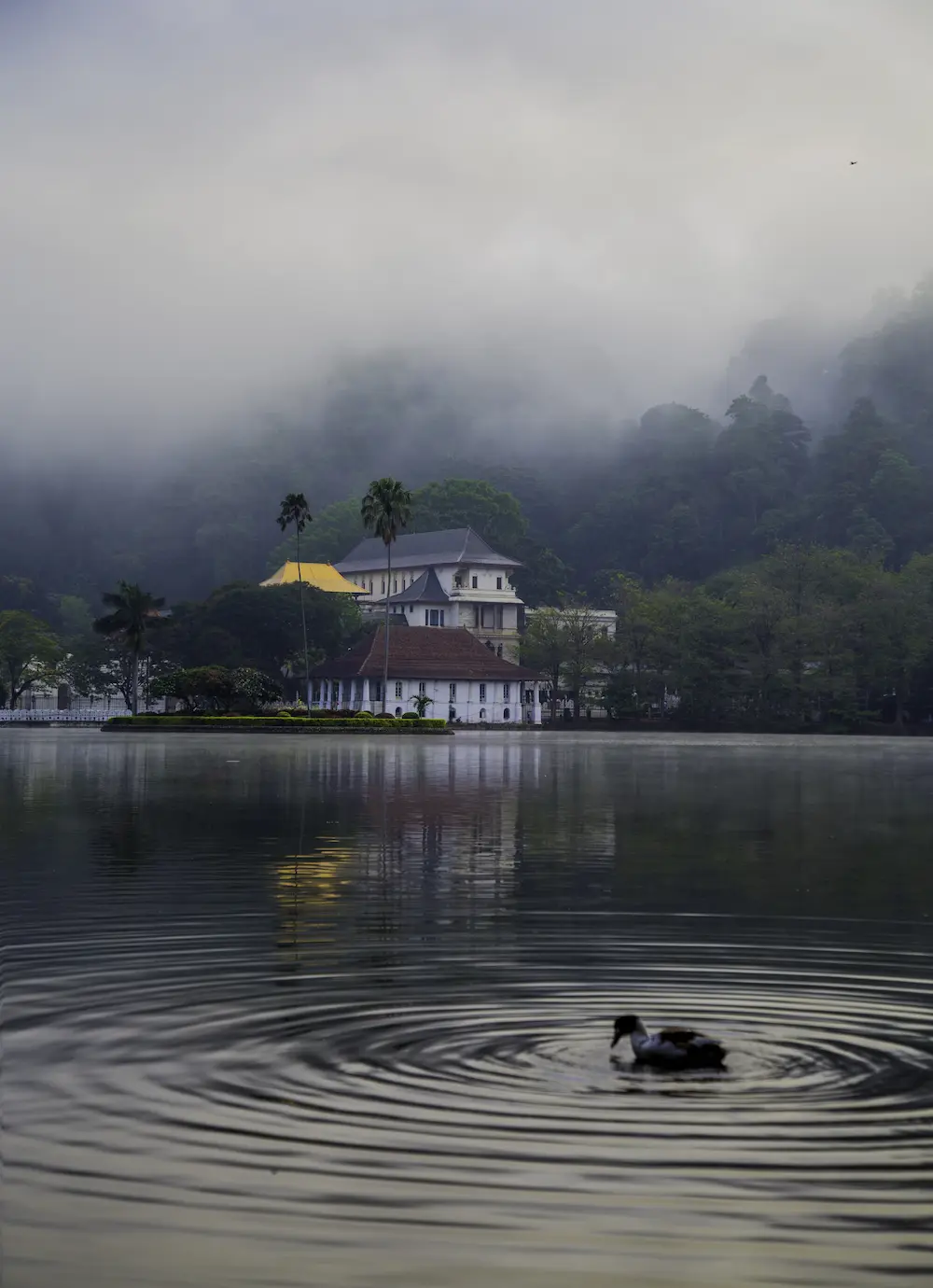
Kandy is the practical link between the Cultural Triangle and the hill country. The Temple of the Sacred Tooth Relic and Kandy Lake are the main reasons to stop, and one full day is enough for most first-time visitors.
Anuradhapura
Polonnaruwa
Nuwara Eliya
Bentota
Colombo
Sri Lanka Visa and Entry Requirements in 2026
This is one part of your trip where I would not rely on an old travel blog.
Sri Lanka’s entry and visa procedures have changed in recent years, and requirements can vary by nationality. The relevant process may involve an online travel authorisation or visa system, and you should check the official Sri Lankan Immigration/ETA system for your passport before travelling.
Don’t automatically assume that “visa on arrival” applies to everyone.
Your passport also needs to meet Sri Lanka’s validity requirements, and immigration authorities can ask for evidence of onward or return travel, accommodation information and sufficient funds.
The important thing is to check the official system shortly before your trip. Visa fees and procedures are exactly the kind of information that can become outdated surprisingly quickly.
For current requirements, use:
Sri Lanka Department of Immigration and Emigration:
https://www.immigration.gov.lk/
Sri Lanka ETA:
https://eta.gov.lk/
If your nationality has a special exemption, different fee or different application procedure, follow the rule shown for your passport rather than a general tourist guide.
When Is the Best Time to Visit Sri Lanka?
There isn’t one month that works perfectly for the entire island.
This is probably one of the most important things to understand before booking Sri Lanka because the southwest coast and east coast can have very different weather at the same time.
For Galle, Mirissa and much of the south and southwest coast, the generally better beach period is around December to April. The southwest monsoon affects this side of the country roughly from May into September, although actual conditions change from year to year.
The east and northeast coast follows a different pattern and can be a better choice when the southwest is wetter. So if your main goal is beaches, pick your coast based on your travel dates.
The Cultural Triangle is more flexible, but heat can be the bigger problem. Sigiriya, Anuradhapura and Polonnaruwa can become extremely warm in the middle of the day, which is another reason to start sightseeing early.
Ella and Kandy are cooler because of their elevation, but don’t expect dry weather every day. Cloud and rain are part of the hill-country experience throughout the year.
And yes, the famous Kandy–Ella train still operates in wet weather, but don’t be surprised if clouds cover the mountains and you don’t get the views you saw in somebody else’s video.
A Realistic 10-Day Sri Lanka Itinerary
If you only have 10 days, this is the route I’d use.
Day 1 — Arrive in Sri Lanka
Land at Bandaranaike International Airport and keep things simple.
If you arrive early, you can start travelling towards the Cultural Triangle. If your flight arrives late, stay near the airport rather than forcing yourself into a long road journey on your first night.
Day 2 — Sigiriya
Get up early and climb Sigiriya before the heat becomes unpleasant.
Spend the afternoon around Sigiriya, Pidurangala or Dambulla depending on your energy. Stay in the Sigiriya/Habarana area.
Day 3 — Sigiriya to Kandy
Leave after breakfast and drive towards Kandy.
The journey can take roughly 3–4 hours, depending on traffic and stops. Spend the afternoon around Kandy Lake and the Temple of the Sacred Tooth Relic.
Day 4 — Kandy to Ella
This is your train day.
Take the Kandy–Ella train if you’ve managed to secure a suitable ticket. The journey can take around 6–8 hours or longer, so don’t schedule a major hike after arriving in Ella.
Check into your accommodation and have a relaxed evening.
Day 5 — Ella
Start early with Little Adam’s Peak, then visit Nine Arch Bridge.
If you’d rather do Ella Rock, make that your main hike instead because trying to squeeze both major hikes into one morning isn’t necessary.
Day 6 — Ella to Yala
Drive towards Yala, allowing several hours for the journey.
If you have arranged an afternoon safari, you can go straight into the park after arriving. Otherwise, stay near Yala and prepare for an early safari the next morning.
Day 7 — Yala to Mirissa
Take your morning safari if you didn’t do one the previous afternoon.
Afterwards, drive towards Mirissa. The journey can take roughly 3–4 hours, depending on traffic and road conditions.
Don’t book a whale-watching trip immediately after arriving. Those boats leave early, so you’ll have a much easier day if you do it the following morning.
Day 8 — Mirissa
Go whale watching early if the season and sea conditions are suitable.
Then do almost nothing for the rest of the day.
Seriously. After several days of climbing, trains, road transfers and safaris, a quiet afternoon at Mirissa Beach is not wasted time.
Day 9 — Mirissa to Galle
Drive to Galle, which is roughly one hour or a little more from Mirissa depending on traffic.
Spend the afternoon walking through Galle Fort, explore the ramparts and stay around for sunset.
Day 10 — Galle to Colombo/Airport
Head back towards the airport for your flight.
Don’t underestimate the time required for the final journey. Traffic around Colombo can turn a straightforward-looking transfer into a much longer one, so leave a comfortable buffer before an international flight.
Can you really see Sigiriya, Ella, Yala and Galle in 10 days?
Yes.
But you’ll notice that this itinerary moves almost every day. If you can stretch the trip to 12–14 days, I’d do it. The extra days give you room for Anuradhapura, Polonnaruwa, Nuwara Eliya or simply longer stays in Ella and Mirissa.
How Much Does Sri Lanka Cost in 2026?
Sri Lanka can be surprisingly affordable, but your budget depends heavily on how you travel between destinations.
If you use trains, buses, local restaurants and simple guesthouses, you can keep your daily costs fairly low. Private cars, boutique hotels, safaris, whale watching and higher-end restaurants will push the budget up quickly.
For accommodation, a basic guesthouse or budget room can often fall somewhere around US$15–35 per night, while comfortable mid-range accommodation can be around US$40–100 per night depending on the location and season.
Luxury hotels and beach resorts can go well beyond that, particularly during busy periods.
Food is one area where you can save easily. Local rice and curry, kottu, hoppers and other Sri Lankan dishes can cost only a few dollars at simple local restaurants. Tourist-oriented cafés and restaurants can cost several times more.
Trains and public buses are still the cheapest way to travel around the country. Tuk-tuks are useful for short distances, but agree on the price before starting if the driver isn’t using a meter.
For longer transfers, a private driver costs more but can make sense when you only have 10 days. You’re paying not only for the vehicle but also for the time saved compared with connecting several buses.
Activities are where the budget becomes less predictable. Sigiriya has an official admission fee, Yala has official park charges plus commercial safari costs, and Mirissa whale watching is priced by individual operators. Don’t combine those into one generic “activity budget” because the pricing structures are different.
Is Sri Lanka Safe for Tourists?
Be especially careful with gems
Which Coast Is Best?
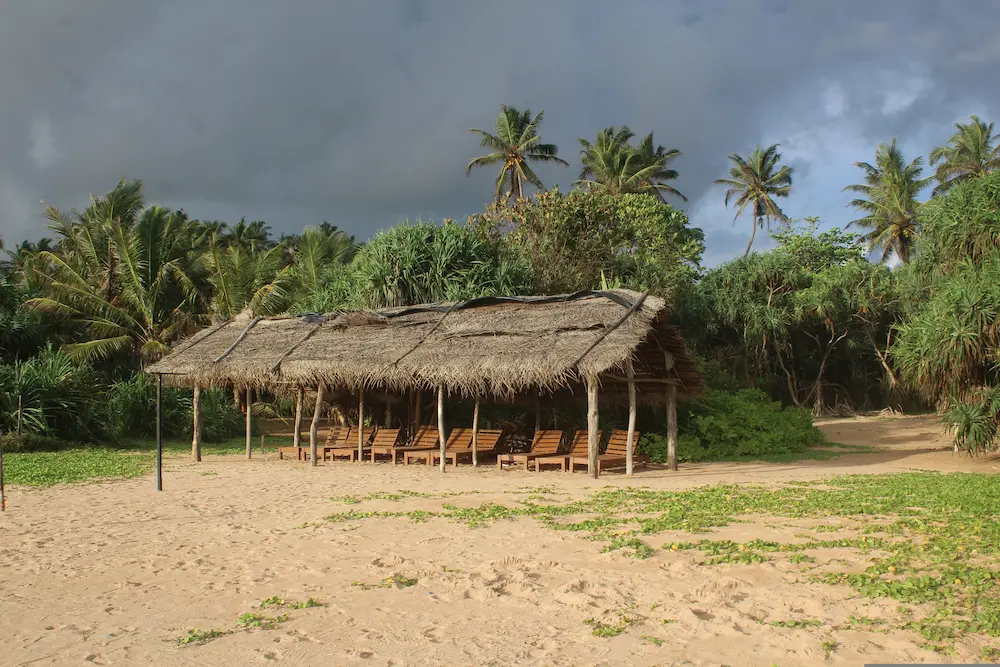
If you’re following the classic first-time route in this guide, I’d choose the south coast around Mirissa and Galle.
It works particularly well because Yala comes just before it, Galle comes naturally after Mirissa, and you can finish by heading north towards Colombo and the airport.
The southwest coast around Bentota is another good option if you’re mainly interested in resorts and beach time.
The east coast is worth considering when you’re travelling during the period when the southwest is affected by the monsoon. There isn’t one coast that is permanently “the best”; the right choice depends heavily on when you’re visiting.