
India Travel Guide: Everything You Need to Plan Your Trip
India stretches across deserts, mountains, coastlines, and jungles, and no single itinerary covers all of it. Budget travelers can move through the country on $20-30 a day, while a mid-range trip runs closer to $50-70 daily including private transport and better hotels. This guide breaks the country into manageable pieces: cost, timing, regions, safety, and visa steps, so you can build a route that fits your time and money.

Razi Ansari—just a guy with a backpack, a camera, and too many stories from the road. I write about the real moments, the messy adventures, and the hidden corners of the world that don’t always make it to the guidebooks
Best Time to Visit India
India’s climate splits into three broad seasons, and picking the wrong one can wreck a trip. October through March brings cool, dry weather across most of the country and works for almost any region, from Rajasthan’s deserts to Kerala’s backwaters. April through June turns brutally hot in the north and center, though hill stations like Manali and Shimla stay pleasant and crowd-free before peak season hits.
The monsoon runs roughly July through September and floods highways in some states while leaving others, like Ladakh, in their driest and most accessible window. Goa’s beaches close their swimming season during monsoon but drop prices sharply, which suits travelers chasing budget over sunshine. Match your route to the season rather than forcing a fixed itinerary through weather that won’t cooperate.
India Trip Cost Breakdown
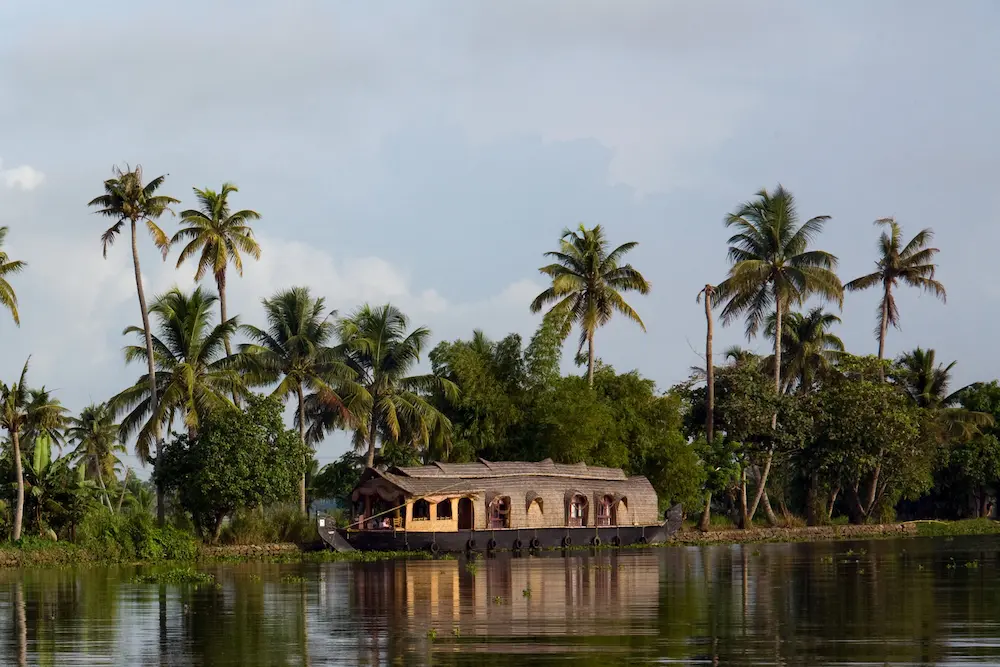
A backpacker moving through India on dorm beds, street food, and public buses spends $15-25 per day in most states, less in smaller towns and more in Goa or Mumbai. Dorm beds run $4-8 a night, a full local meal costs $1-3, and second-class train tickets between mid-distance cities rarely exceed $5-10. Add $3-5 daily for local transport like auto-rickshaws and metro rides, and the math stays consistent across most of the country.
Mid-range travelers who want private rooms, air-conditioned trains, and the occasional guided tour should budget $40-70 per day. Private double rooms in decent hotels run $15-30 outside major cities, AC train berths add a small premium over sleeper class, and hiring a driver for a day trip costs $25-40 depending on distance. Domestic flights between distant regions, like Delhi to Kochi, often cost less than a long train journey and save two full travel days.
India Visa Requirements for Travelers
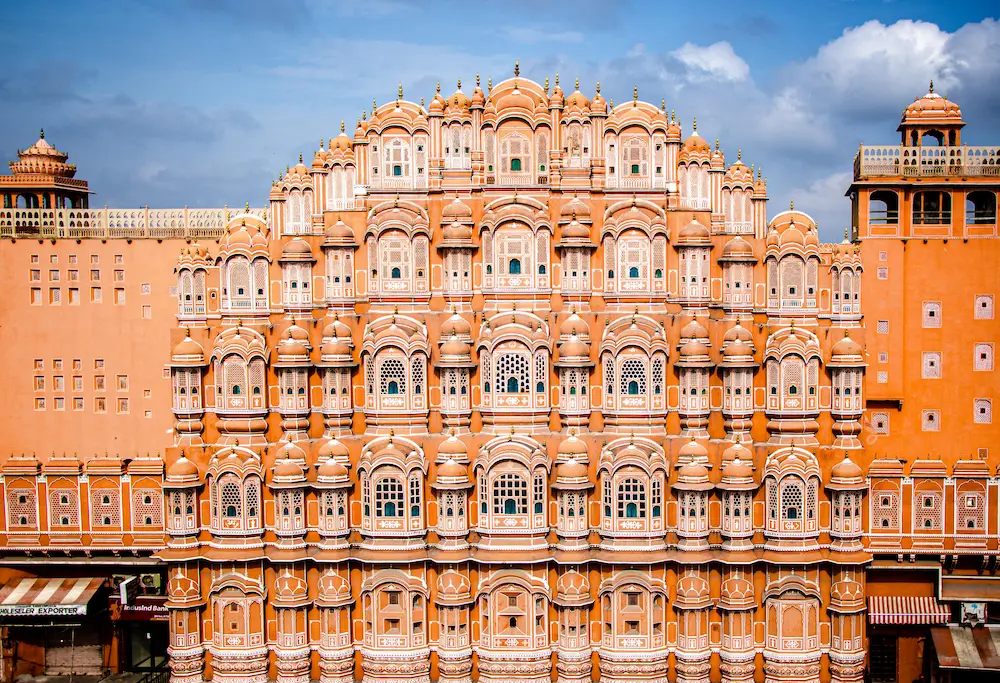
Most nationalities need a visa before arrival, and India’s e-Visa system covers the majority of travelers with an online application that takes 3-5 business days to process. The e-Visa comes in tourist, business, and medical categories, with the standard tourist e-Visa valid for 30 days, one year, or five years depending on the option selected at application. Apply through India’s official e-Visa portal directly, since third-party sites charge inflated service fees for the same process.
Citizens of neighboring countries like Nepal and Bhutan don’t need a visa at all under existing bilateral agreements. Travelers arriving for longer stays, research, or work still need a regular visa through an Indian embassy or consulate, which requires more documentation and longer processing time than the e-Visa route. Check your passport’s validity carries at least six months beyond your planned departure date, since immigration enforces this rule strictly at entry points.
Is India Safe for Travelers
India carries genuine safety considerations that shift by region, gender, and travel style, and treating the whole country as one risk profile misses the point. Major tourist circuits like Rajasthan, Kerala, and Goa see heavy traveler traffic and correspondingly better-developed safety infrastructure, from tourist police to established guesthouse networks. Solo female travelers face more scrutiny and should stick to well-reviewed accommodation, avoid isolated areas after dark, and use registered transport over unmarked taxis.
Scams targeting tourists cluster around transport hubs and popular sights: inflated rickshaw fares, fake booking agents, and commission-driven shop detours rank among the most common. Street food carries some risk of stomach illness, though sticking to busy stalls with high turnover and freshly cooked food cuts that risk significantly. Border regions near Pakistan and parts of the northeast carry separate travel advisories worth checking before you build an itinerary through them.
Regional Highlights Across India
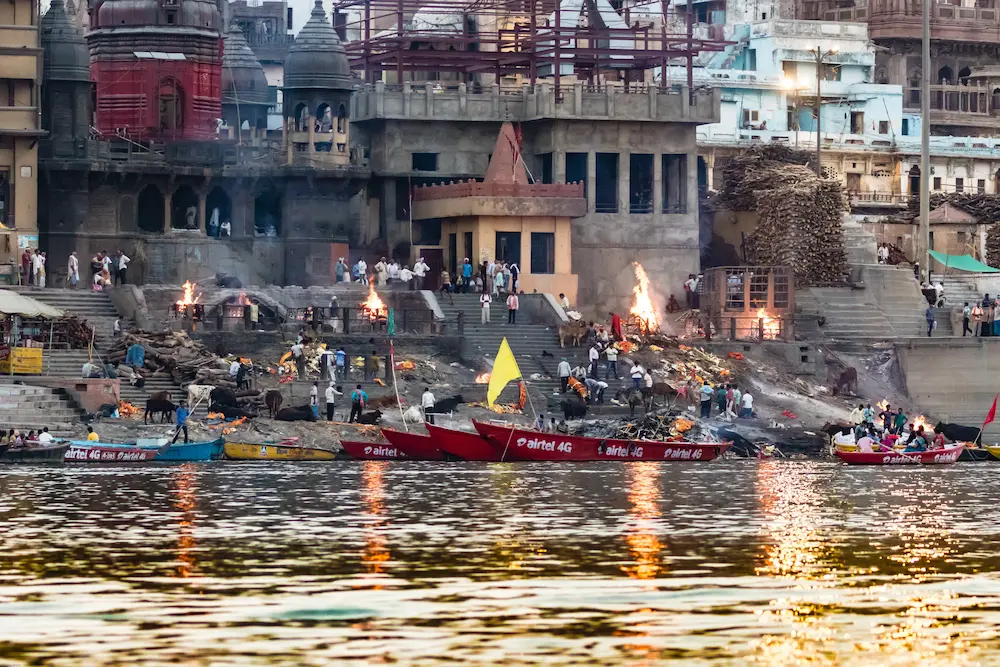
Northern India centers on the Golden Triangle of Delhi, Agra, and Jaipur, anchored by the Taj Mahal and Rajasthan’s fort cities, and works well as a first-time introduction to the country. Further north, Himachal Pradesh and Ladakh offer mountain trekking and Tibetan Buddhist culture, with Ladakh’s high-altitude terrain best visited between June and September when passes stay open. Varanasi, on the Ganges in Uttar Pradesh, draws travelers toward its ghats and cremation rituals, a striking and unfiltered look at daily religious life.
Southern India moves at a different pace, with Kerala’s backwaters, Tamil Nadu’s temple towns, and Karnataka’s beaches and hill stations forming a quieter counterpoint to the north. Goa sits between the two regions culturally and geographically, blending Portuguese colonial architecture with a beach-party reputation that draws both backpackers and package tourists. Northeast India, covering states like Meghalaya and Assam, remains the country’s least-visited corner despite dramatic landscapes, and travelers heading there should budget extra time for permits and slower infrastructure.
Getting Around India
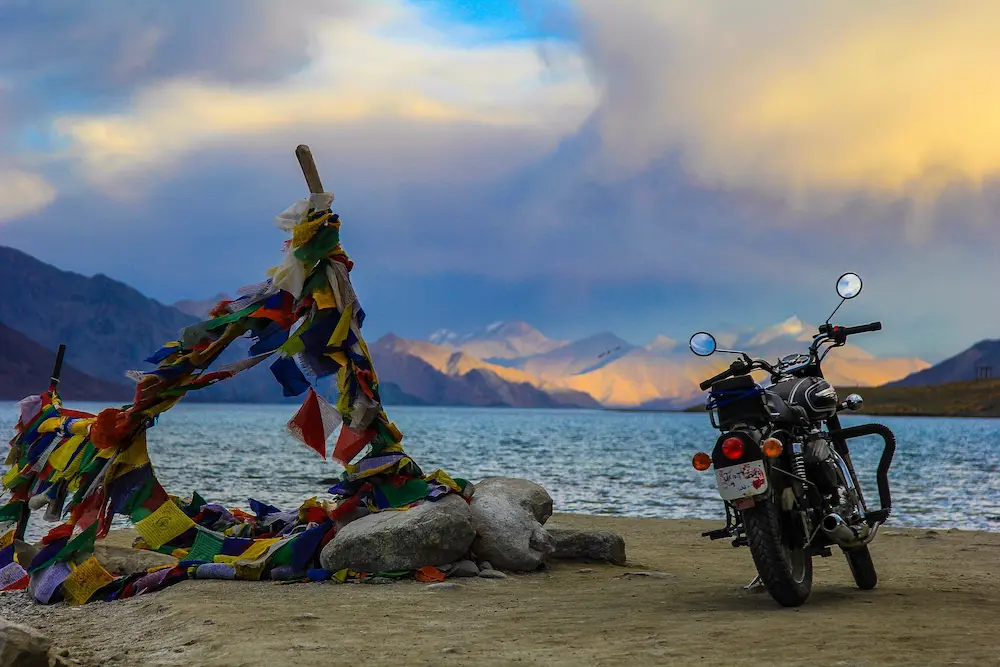
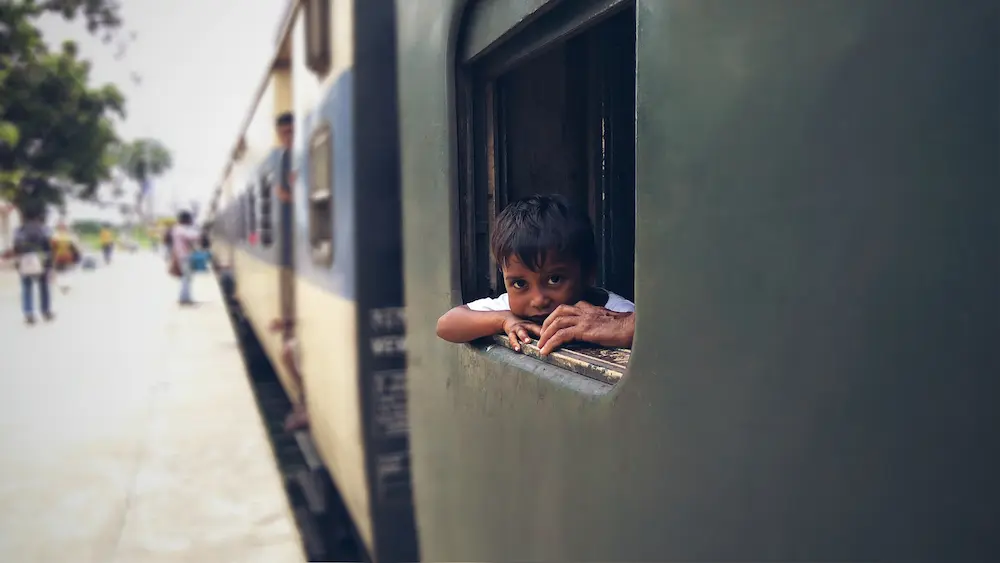
India’s train network is the backbone of long-distance budget travel, connecting nearly every city with multiple daily departures and ticket classes ranging from unreserved seating to AC sleeper cabins. Book tickets through the official IRCTC platform, since demand on popular routes fills seats weeks in advance during peak season. Buses fill the gaps trains don’t reach, particularly in mountain regions like Himachal Pradesh and Ladakh, though road conditions vary sharply by state.
Domestic flights have become genuinely cheap on routes between major cities, often undercutting the cost and time of a multi-day train journey. Within cities, ride-hailing apps like Uber and Ola operate in most urban centers and remove the fare-negotiation hassle that comes with unmarked auto-rickshaws. For shorter regional hops, hiring a private driver for a day or two often costs less than expected and buys flexibility that public transport can’t match.
Building Your India Itinerary
A two-week trip suits the Golden Triangle plus one extension, whether that’s Rajasthan’s desert towns, Varanasi, or a few days in Goa to close the trip. Three to four weeks opens up a north-south combination, pairing the Golden Triangle with Kerala’s backwaters or a Himalayan trekking stretch through Himachal Pradesh. Longer trips of two months or more let you slow down significantly, which India rewards more than almost any other destination given how much transit time even short distances demand.
Avoid packing too many cities into a short trip, since India’s transport times run longer than distances on a map suggest. Build in buffer days after long train or bus journeys, and expect at least one day where nothing goes according to plan. That flexibility matters more here than in most countries, and travelers who build slack into their route consistently report better trips than those running a tight schedule.
Planning other Asia destinations alongside India? The Asia Travel Guide covers Pakistan, Sri Lanka, Japan and more.