
Pakistan Travel Guide 2026 — Everything You Need to Know
If you’re planning a Pakistan trip for 2026, start with the visa rules — they changed on January 1, and that single update trips up more travelers than anything else on this page. Once that’s sorted, the country opens up fast: K2, six UNESCO World Heritage sites, and terrain ranging from 8,000-meter peaks to 5,000-year-old ruins.
Northern Pakistan gets most of the attention, and Hunza Valley or Skardu explain why. The south holds its own too, with Mughal forts, ancient ruins, and street food that rarely makes it into the northern-heavy blog posts everyone shares. This guide to Pakistan travel covers visas, flights, when to go, where to go, getting around, where to sleep, costs, food, connectivity, safety, packing, and a few sample itineraries — skip ahead to whichever section actually applies.
Razi Ansari—just a guy with a backpack, a camera, and too many stories from the road. I write about the real moments, the messy adventures, and the hidden corners of the world that don’t always make it to the guidebooks
How to Get to Pakistan
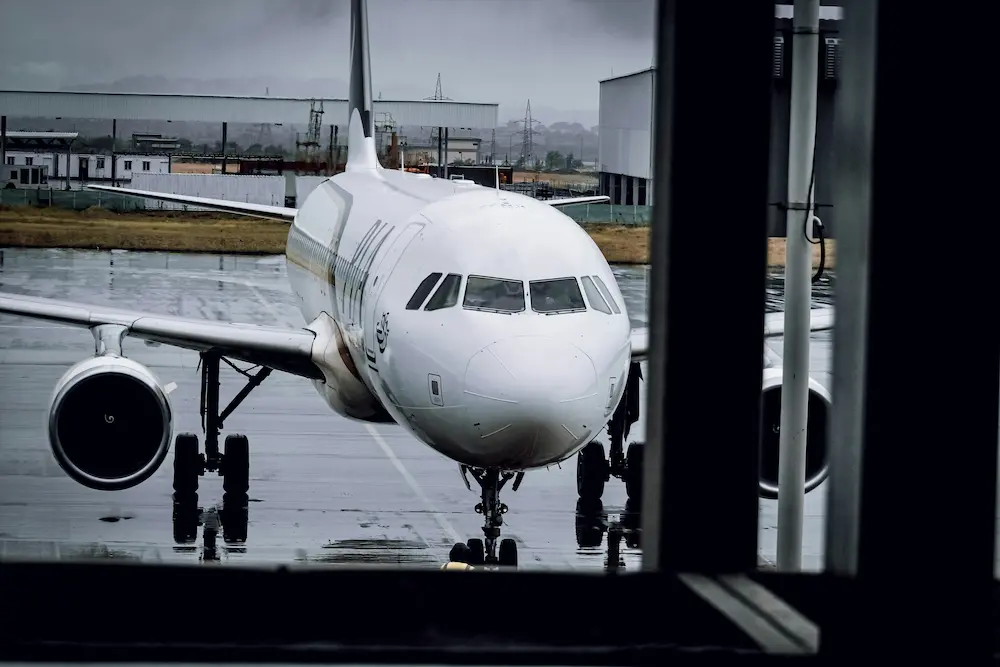
Most international flights land at Islamabad International Airport (ISB). Karachi’s Jinnah International (KHI) and Lahore’s Allama Iqbal International (LHE) pick up the rest, and which one makes sense depends entirely on where you’re headed next.
Gulf carriers run the easiest one-stop routes from North America and Europe, usually through Dubai, Doha, or Abu Dhabi. If Hunza or Skardu is the plan, flying into Islamabad saves a full day of driving compared to landing in Karachi.
There’s also an overland option from China through the Khunjerab Pass, but only between roughly May and October. Winter snow shuts it down completely.
Visa Requirements and Entry Rules
Pakistan scrapped its free Visa Prior to Arrival scheme on January 1, 2026. Nearly everyone now goes through the e-visa portal instead, and quite a few travel bloggers got caught out by the change mid-year with outdated advice.
Gulf Cooperation Council citizens are the exception — Emiratis, Saudis, Qataris, Kuwaitis, Bahrainis, and Omanis still get 30 days visa-free. Everyone else, US, UK, and EU passport holders included, applies online and waits roughly 7 to 10 business days.
The portal now serves 192 countries, a big jump from its original launch list. You’ll need a passport scan, a photo, and your travel details, and some nationalities also need a letter of invitation, usually arranged through whoever’s hosting or guiding you.
Keep six months of passport validity beyond your stay and two blank pages free. Travelers from countries on Pakistan’s security watch list go through extra screening at the border no matter what visa they hold, so building in a few extra weeks before departure is worth the peace it buys you later.
Best Time to Visit Northern Pakistan
Top Destinations Across the Country
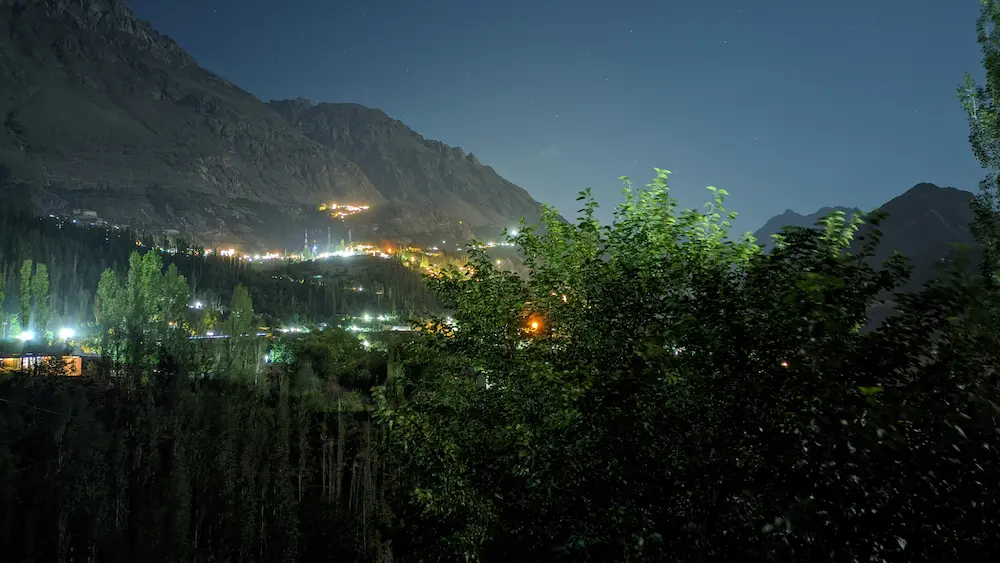
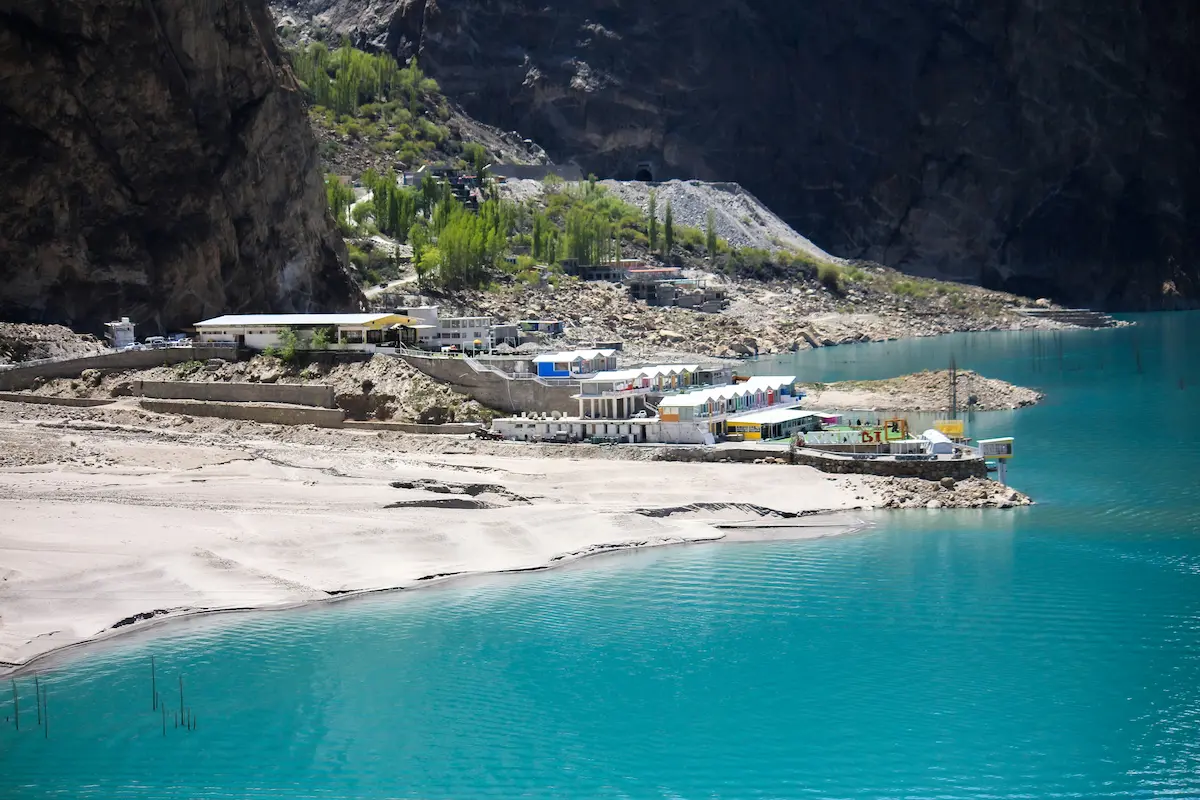
Hunza Valley runs along the Karakoram Highway and splits into Upper, Central, and Lower sections, each with its own character. Karimabad’s old forts, Attabad Lake’s turquoise water, and Passu’s cone-shaped peaks are the reason most people put it at the top of a Pakistan itinerary.
Skardu is the launch point for K2 and the Deosai Plains. The road in from Gilgit is stunning but long; a direct flight from Islamabad turns a two-day drive into under an hour, weather permitting.
Swat Valley earns its “Switzerland of Pakistan” nickname with rivers, waterfalls, and the Malam Jabba ski resort. Its roads are gentler than Hunza’s or Skardu’s, so it’s a common first pick for families.
Naran Kaghan revolves around Lake Saiful Muluk, a glacial lake that gets packed with domestic visitors on summer weekends. Babusar Top and Lulusar Lake sit along the same drive and are worth the stop.
Neelum Valley, over in Azad Kashmir, adds Arang Kel and Ratti Gali Lake to the mix and sees a fraction of the visitors Hunza or Skardu get. Guesthouse prices there reflect that.
Fairy Meadows sits at the foot of Nanga Parbat and mixes camping with basic log cabins. Getting there means a jeep ride followed by a multi-hour hike, which keeps the crowds thin.
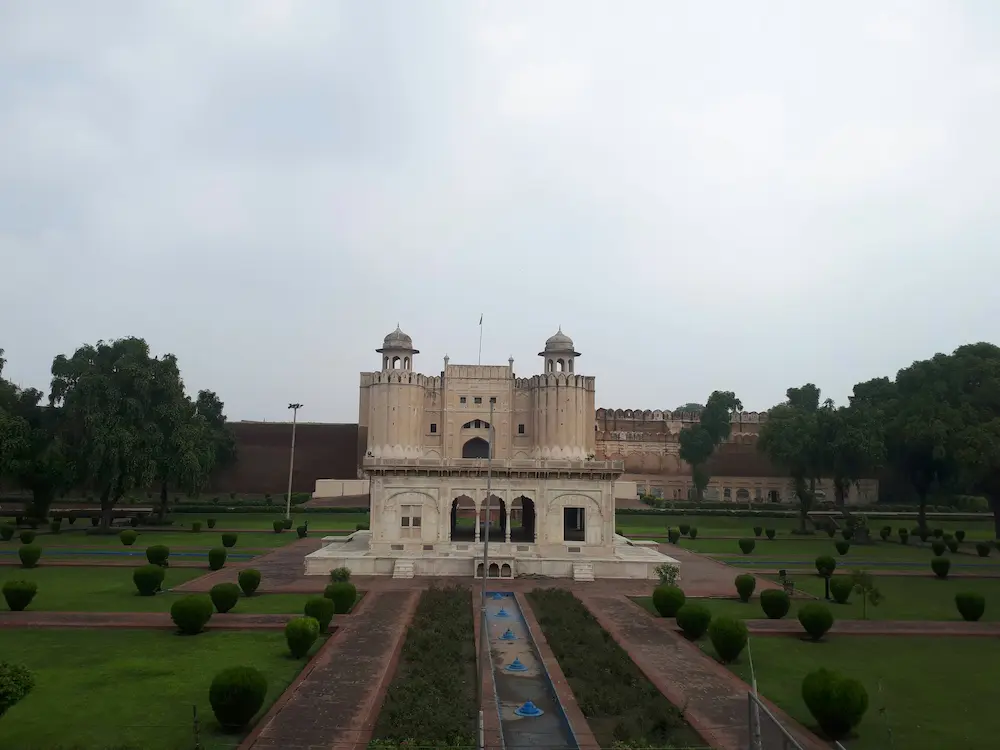
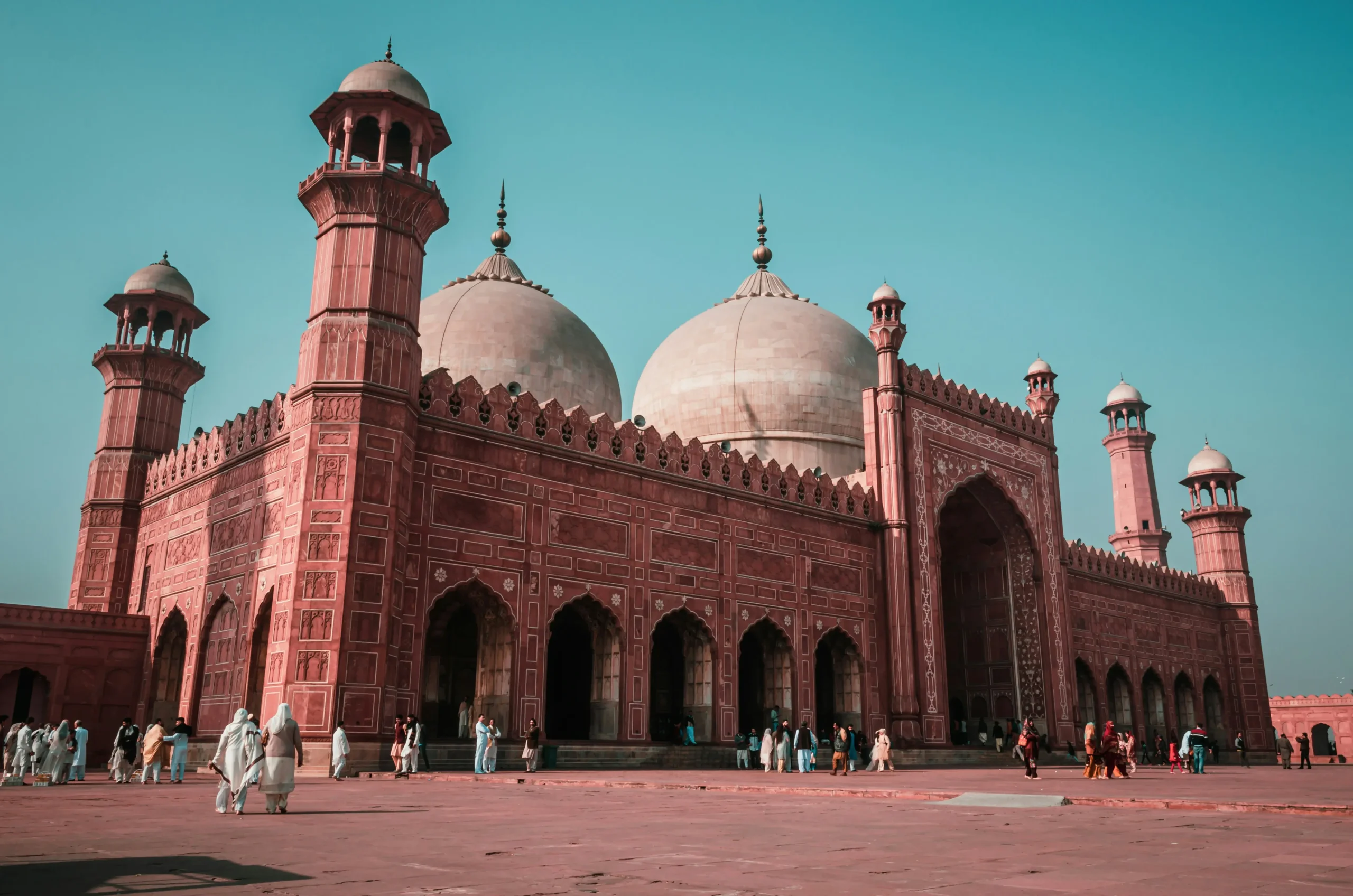
Down south, Lahore brings Mughal architecture, food streets, and the Lahore Fort into the picture. Mohenjo-daro in Sindh preserves ruins from roughly 5,000 years ago, among the oldest urban sites anywhere on earth.
Karachi has its coastline and a street food scene that doesn’t slow down until well past midnight. Taxila, just outside Islamabad, makes for an easy Buddhist-era detour if the north is short on time.
Getting Around Pakistan
Domestic flights link Islamabad with Skardu and Gilgit for roughly PKR 12,000 to 44,000 one-way, depending on season. Mountain weather grounds them often in winter, so build a spare day into any tight schedule.
By road, the Karakoram Highway heads north toward Hunza and Skardu, while the Hazara Expressway through Balakot handles the route to Naran. Leave early — traffic and the road itself both get harder to manage past midday.
Motorways don’t allow motorcycles, so riders stick to the parallel GT Road instead. Jeeps take over where regular cars can’t go, particularly near Fairy Meadows and Deosai.
Ride-hailing apps work well in Islamabad, Lahore, and Karachi and cost far less than equivalent rides back home. For multi-day mountain circuits, a driver beats self-driving — unfamiliar roads and checkpoints are easier with someone who knows the route.
Guided operators bundle transport, permits, and lodging along the Karakoram Highway and Deosai routes, and most first-timers heading past Skardu book through one rather than sorting jeeps out themselves.
Where to Stay in Pakistan
Cities have the full range — international chains, boutique hotels, budget guesthouses — while the mountains lean rustic no matter the price point. Islamabad and Lahore prices track fairly close to regional norms.
Skardu splits between riverside resorts with mountain views and simpler family-run guesthouses near the bazaar. Both fill up fast in peak trekking season, so book two to three weeks out if you can.
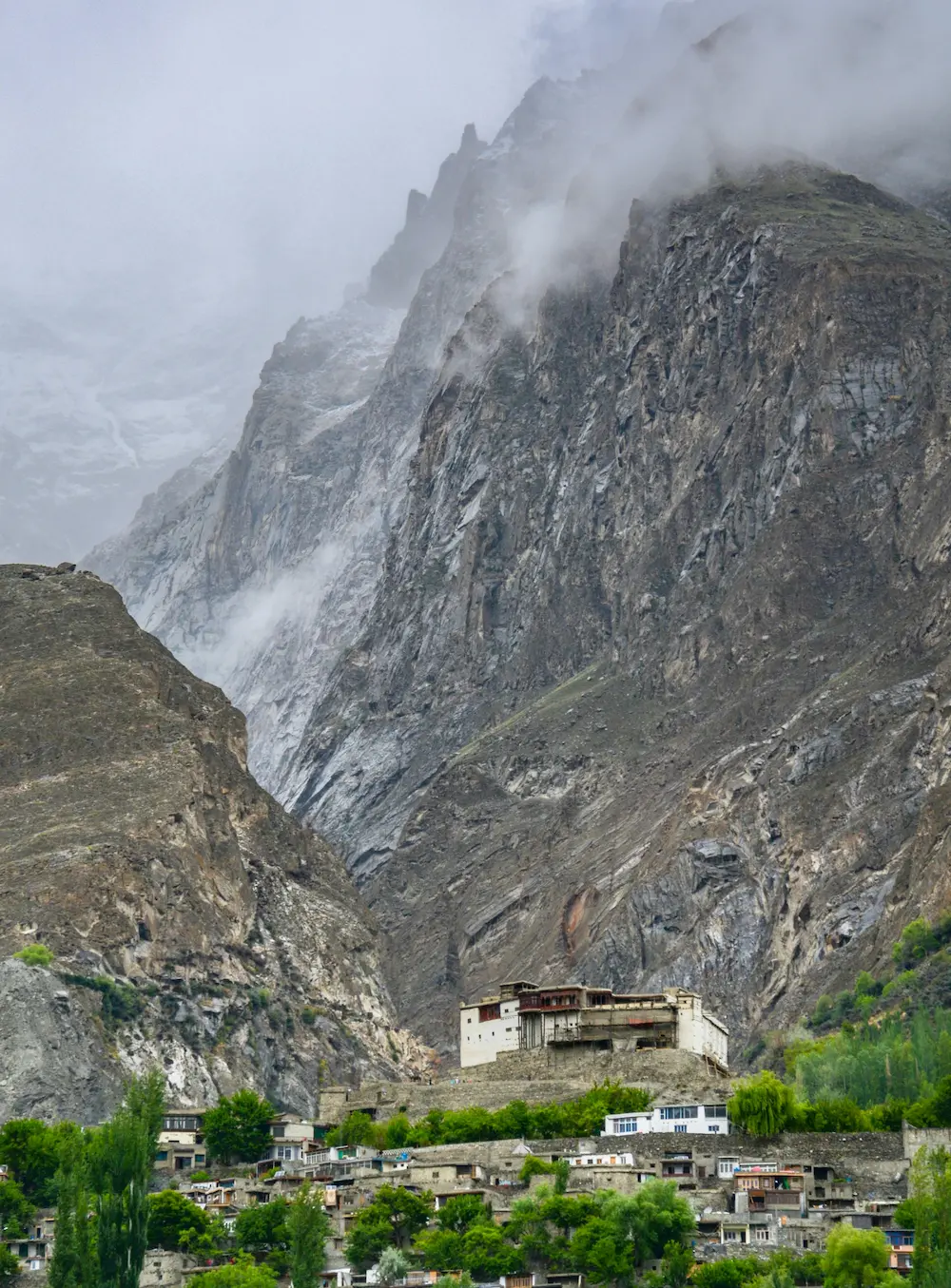
Hunza has two bases: Karimabad, quieter and closer to Baltit and Altit Forts, and Aliabad, the transport hub with the budget hostels. Karimabad covers more price points, from boutique stays to larger resorts.
Homestays are common in the smaller Gilgit-Baltistan villages, and travelers who mix those with public transport can get through Hunza on well under €20 a day.
Fairy Meadows and Deosai stick to camping and basic cabins, since neither is reachable by standard vehicle. July and August book out fast as domestic and international tourism overlap.
Cost of Traveling in Pakistan
Pakistan is still one of the cheapest countries to travel in Asia, with the rupee sitting near 280 to the dollar through 2025 and 2026. Street biryani runs PKR 300 to 500, nihari PKR 200 to 400, and a cup of chai as little as PKR 30.
Mid-range guesthouses charge $20 to $60 a night, though the nicer lodges in Hunza or Skardu climb past $100, sometimes toward $150 in peak season for the best-located rooms.
Guided northern tours start around $200 for a bare-bones five-day group trip and run $1,000 to $2,500 for ten to fourteen days with private transport and better hotels. A private jeep for a Fairy Meadows or Deosai day trip runs close to PKR 15,000 on its own.
Permits and travel insurance sit on top of those numbers, and skipping insurance is a common regret once something actually goes wrong in Gilgit-Baltistan.
Carry cash. Mountain guesthouses are largely cash-only, and while cards and ATMs work fine in Islamabad, Lahore, and Karachi, they thin out fast once the road starts climbing.
Food and Local Cuisine
Every region has its own signature dish. Punjab’s is nihari, a beef stew traditionally eaten at breakfast, alongside biryani in more variations than you’ll find time to try.
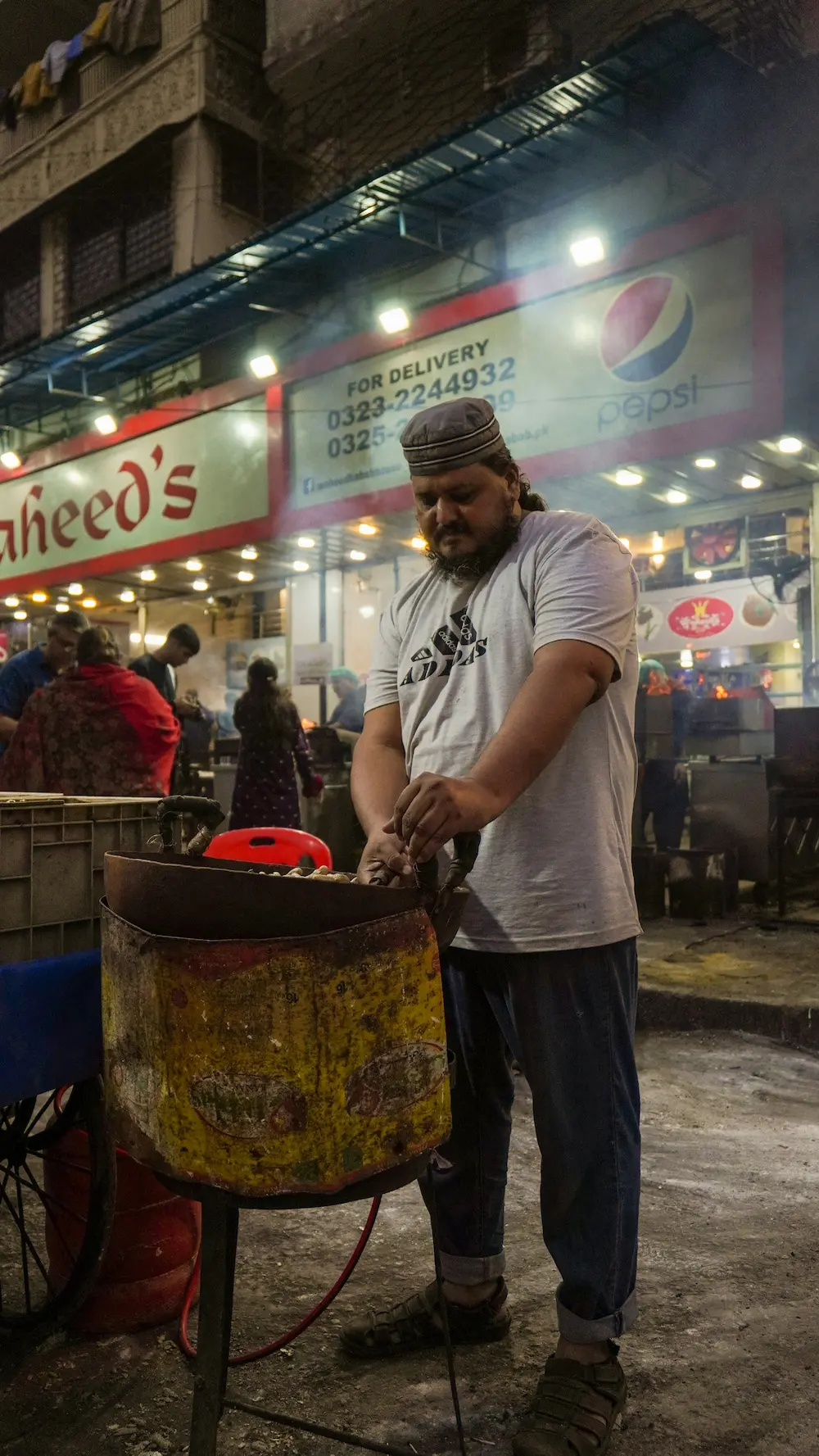
Karachi’s street food runs late — grilled meats, chaat, and seafood along Burns Road and the seafront. Peshawar and the north keep it simpler, with chapli kebab and tikka cooked over open flame instead of heavy spice blends.
Tea is everywhere, at every income level, and roadside chai stalls double as the local meeting spot. Hunza adds apricot-based sweets to the mix, made from the valley’s own orchards and rarely seen elsewhere in the country.
During Ramadan — mid-February to mid-March in 2026 — most restaurants stay closed until sunset. Eating, drinking, or smoking in public before then is worth avoiding out of respect.
Evening iftar invitations happen more often than you’d expect in smaller towns, and accepting one is one of the better ways to spend an evening in Pakistan.
Internet and Connectivity Options
Coverage splits hard between cities and the mountains. Jazz has the widest rural reach toward Hunza, Skardu, and Chitral, while Zong edges it out for speed in Karachi and Lahore.
4G is standard in urban areas, usually 15 to 30 Mbps, and data plans are some of the cheapest in Asia — a full month can cost less than a coffee back home.
Past Gilgit, coverage on the Karakoram Highway gets spotty, and Khunjerab Pass has none at all. Karimabad gets solid 4G through Zong and the local SCOM network, but smaller stops further up the valley drop to 3G.
Buy a SIM from an official franchise store and register it with your passport. Street vendors sometimes sell SIMs that get blocked within a day.
eSIMs skip that registration step and work the moment you land, but local SIMs still win on price and rural coverage — worth the extra ten minutes if the trip runs deep into the north.
Safety and Cultural Etiquette
Is Pakistan safe to travel in 2026? The US State Department keeps Pakistan at a Level 3 “Reconsider Travel” rating, but that number hides a lot of regional variation. The northern tourist corridor through Gilgit-Baltistan looks nothing like the risk profile of border areas further south and west.
Check current guidance for your specific route rather than the blanket country rating, and register with your embassy before you go — it costs nothing and helps if plans shift mid-trip.
Dress conservatively outside hotels. Women generally cover their heads and skip sleeveless or short clothing in public; men leave the shorts and tank tops at home too.
A scarf earns its space in the bag — it works for mosque visits and cool evenings alike. A few Urdu greetings go further than you’d expect with locals, who consistently rank among the warmest hosts anywhere in the region.
Power cuts happen outside the big cities, so a flashlight or charger belongs in every daypack. And keep cash on hand once you’re past the last city — cards stop working long before the scenery gets good.
Packing List for Northern Trips
Layers matter more than any one heavy jacket, since valley floors and mountain passes can sit 20 degrees apart on the same day. Fairy Meadows stays cold even in July.
Real hiking boots handle the approach treks and the loose gravel near Deosai and the rougher stretches of the Karakoram Highway. A lighter second pair is nice to switch into once the boots come off for the evening.
A power bank and an offline map cover the gaps left by patchy signal past Gilgit — neither needs an outlet or a connection to work.
Sun protection matters more at altitude than most people expect; thin air and reflective snow both push exposure higher than sea level. Clothes that layer easily cover both sightseeing and mosque visits without needing a separate outfit for each.
The same layering logic applies across most of Asia’s mountain regions, covered in more depth in our general packing and travel tips.
Festivals and Events Worth Planning Around
The Shandoor Polo Festival runs every July on the world’s highest polo ground, pulling crowds from across Chitral and Gilgit-Baltistan for a match that’s more rivalry than sport. Rooms nearby book out well ahead of it.
Independence Day on August 14 brings flags and celebrations countrywide, and popular spots like Naran get busier still — worth avoiding if quiet roads matter more than the festivities.
Ramadan changes the daily rhythm everywhere, pushing restaurant hours toward evening and opening up the iftar invitations covered above. Winter brings its own calendar, with skiing at Malam Jabba and Fairy Meadows drawing a different crowd than the summer trekkers.
Sample Itineraries for First-Time Visitors
Sample Itineraries for First-Time Visitors
Short on time? Five days covering Islamabad and Hunza works: two days in the capital plus a Taxila day trip, then a transfer north for two nights around Karimabad and Attabad Lake.
Ten days stretches that into Skardu, adding Shigar Fort, the Deosai Plains, and Shangrila Resort before looping back through Gilgit — enough pacing to absorb a weather delay without wrecking the trip.
Prefer culture over altitude? Try seven days south instead: Lahore for architecture and food, Multan for its shrines, then Karachi for the coast.
Combining both halves takes two to three weeks, mostly dictated by domestic flight schedules between Islamabad and the mountains. Book Skardu or Gilgit flights early — cancellations are common enough to wreck a tight schedule.
With extra days, tack Fairy Meadows onto either route as a three-day detour off the Karakoram Highway. Traveling with kids? Swat and Naran Kaghan make the easiest northern add-on, with shorter drives and gentler terrain than Skardu or Fairy Meadows.
Plan Your Pakistan Trip Today
Between the new visa timeline, the seasonal road closures, and the safety picture that shifts by region, a little planning goes a long way here. Get the e-visa sorted early, check Skardu or Gilgit flight availability before locking in dates, and pair a guided operator with some independent city time for the easiest first trip.
Set up your SIM before landing, pack for a swing of temperatures rather than one climate, and keep enough rupees on hand for the towns where cards don’t reach. The shoulder-season flights and guesthouse rates are still open — start mapping the 2026 trip now.
For real-time visa and route updates from other travelers, join the Asia travel WhatsApp community.
Last Updated: 07-09-2026 | Written by Razi Ansari