
Hidden Gems in Singapore Locals Use

Razi Ansari—just a guy with a backpack, a camera, and too many stories from the road. I write about the real moments, the messy adventures, and the hidden corners of the world that don’t always make it to the guidebooks
Get Free Consultation
The Living Wetlands
In the far north of Singapore, beyond the line, dense residential blocks iareSungei Buloh Wetland Reserve. The island’s biodiversity is on full display in this living ecosystem. This wetland sanctuary, which stretches over 130 hectares, is home to migratory birds, mudskippers, and monitor lizards that slowly traverse the mangroves. The reserve is recognized in the ASEAN Heritage Park network, making it one of South East Asia’s most important zones for biodiversity conservation.
Shrouded in early morning mist, the Boardwalk trails are momentarily absent of sound, only to be interrupted by the occasional call of kingfishers. Locals, no less than the tourists, visit to hike, but return to breathe differently. Visitors come to the reserve to experience the Singapore of old, the Singapore of lower skyscrapers. The Observation Hides, Migratory Bird Trail, and Kingfisher Pod are not only the ecological structures in the reserve, but the interpretive structures that show the awareness of the country towards the environment.
Loved this post? Save it for later on Pinterest!
Pin the ultimate beach bucket list—come back anytime for coastal guides, travel hacks, and ocean vibes!
The Colonial Echo
During the early days of Singapore, when still under British rule, the country was setting up its defense strategy along the coast. One quiet reminder that still survives is Fort Siloso, preserved at the western edge of Sentosa. The fort stands as Singapore’s last coastal fort and, as an open-air military museum. The fort’s gun emplacements and tunnels, command posts, and other structures have been restored and still retain their wartime gravity.
This site has historical significance, yet it is undeniably emotional. Locals come to understand what their grandparents saw: soldiers waiting at lookouts, scanning the horizon, during the Siloso Skywalk, a treetop bridge that offers a panoramic view of Keppel Harbour.
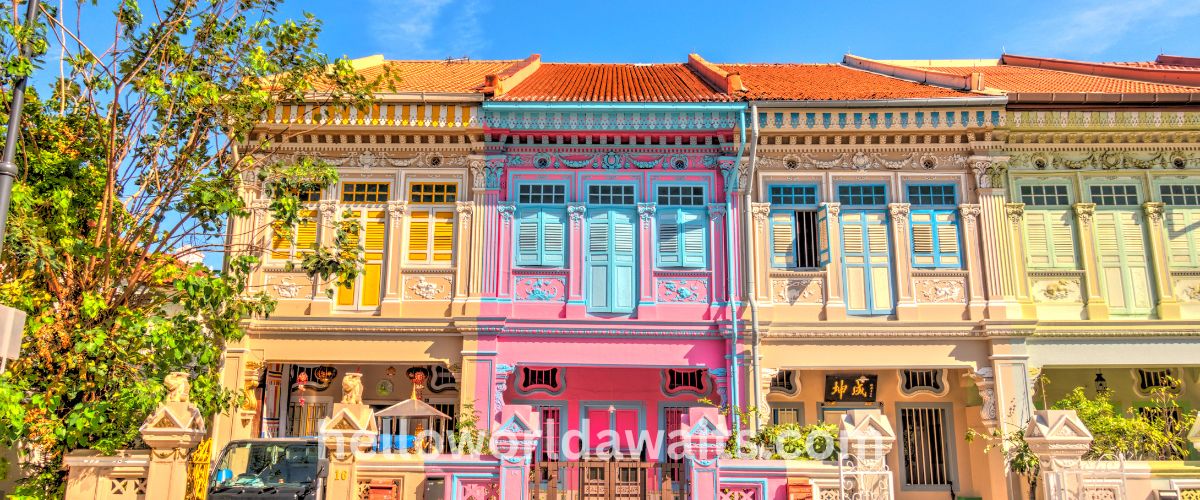
In the heart of Singapore, buried beyond the tourist-filled malls of Orchard Road, Emerald Hill, and its row of Peranakan shophouses lies quietly with its row of Peranakan shophouses. Built from the early 1900s and finishing in the 1920s, this enclave is a beautiful blend of architectural styles, Straits Chinese, colonial, and Malay influences. The pastel façades are decorated with stylized floral plasterwork that celebrates the Peranakan love for color, craft, and historical craft.
The Spiritual Refuge
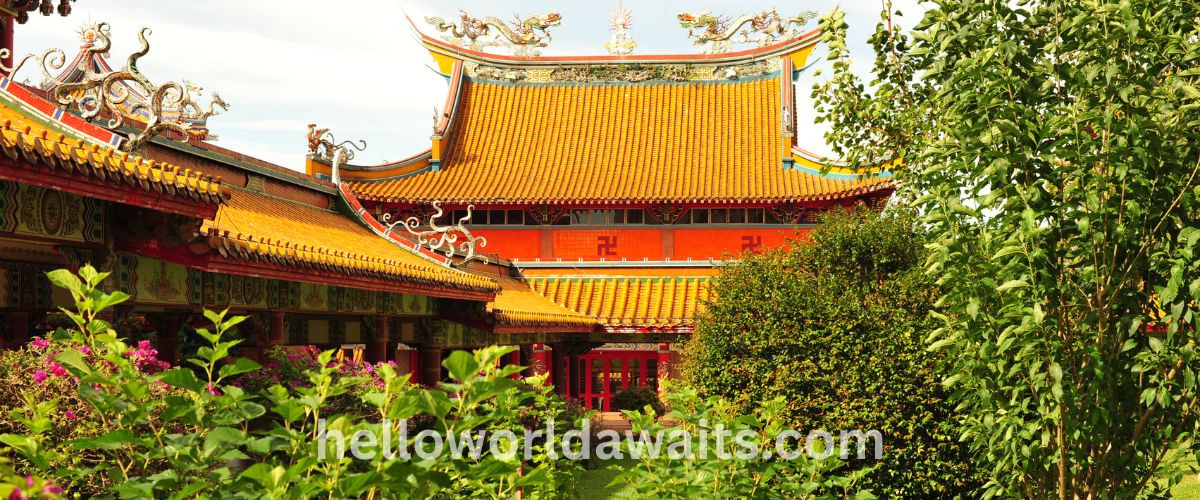
The northeast hides Kong Meng San Phor Kark See Monastery, yet it is Singapore’s largest and most Buddhist temple complex, and remains one of the least visited. This Buddhist Monastery is built on 75,000 square meters of land and enjoys a unique mixture of huge and peaceful grounds with architecture of courtyards where the incense hides during the humid days.
Kong Meng San tells a city a deeper truth. In a fast-paced country, it teaches the art of stillness. Modernity and spirituality are in coexistence.
The Floating Feast
Between the mainland and Pulau Ubin in the northern part of the country, a structure quietly floats on calm waters. This is the Smith Marine Floating Restaurant. Singapore’s only licensed floating kelong-style restaurant, and only accessible by boat from Changi Point Ferry Terminal.
Visitors to the restaurant can across off the area and catch their own seafood, or opt to for specially fishing for their own meal. Blending a multitude of different combined attributes, the restaurant touts an “invitational, iconic, interactive, and authentic” experience. Their “maritime heritage” and “exclusive access” rite of passage, layers and enrich the experience of deck dining. The gentle waves, grilled snapper, and the hum of distant ferries complement the atmosphere.
For many, the best time to visit is the late afternoon, when the sun is low, and the strait is adorned in a golden glow. Few places allow a guest to experience Singapore’s maritime history as intimately and immediately.