
Master Budget Travel and Currency Exchange Tips: Expert Tips for Saving Big Abroad
Traveling abroad is exhilarating yet how you handle money can make or break the trip. As 2025 brings new payment tech, volatile rates, and rising costs, mastering budget travel and currency exchange tips is more vital than ever. From choosing fee-free cards to understanding local currency trends, smart financial planning helps you explore more while spending less.
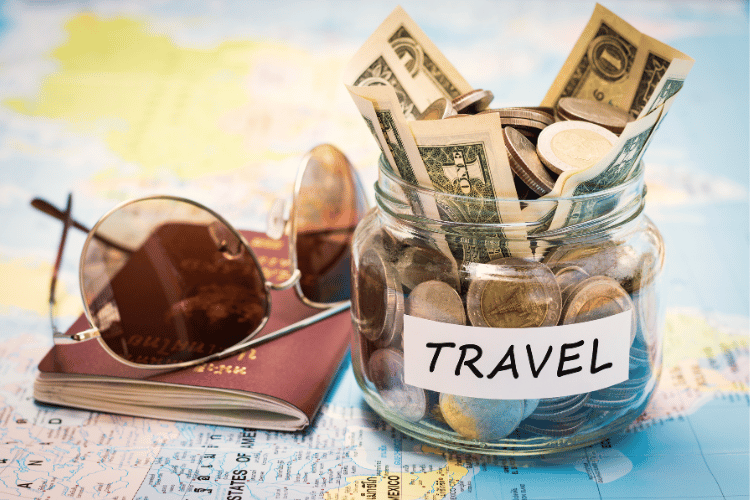
Loved this post? Save it for later on Pinterest!
Pin the ultimate beach bucket list—come back anytime for coastal guides, travel hacks, and ocean vibes!
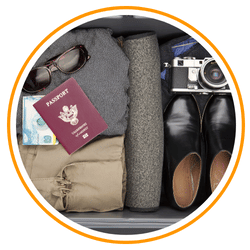
Budget Travel and Currency Exchange Tips to Maximize Your Savings
Why Smart Currency Exchange Matters in 2025
Currency exchange is far more difficult by 2025 than it was ten years ago. Several modern factors now determine exactly how much value you bring home from every trip:
Dynamic exchange rates:
Rates can swing from hour to hour, meaning a last-minute conversion might cost you hundreds more or less on longer journeys.
Hidden fees:
Service charges, markup on poor rates, ATM surcharges, and foreign-merchant swaps pile up quietly and hurt your overall budget.
Digital wallets and fintech apps:
Platforms such as Wise, Revolut, or your travel cards offer near mid-market rates while keeping fees painfully low.
How to Find the Best Currency Exchange Rates
Step 1: Monitor Rates in Advance
Fire up XE, OANDA or your go-to travel card app to watch real-time rates before departure. Set rate alerts, and the app will beep when conditions are on your side.
Step 2: Skip Airport and Hotel Counters
Kiosks by the luggage belts and hotel desks nearly always sell dollars at daylight robbery prices. Hunt for local banks or licensed bureaux in the city-they give far friendlier rates and charge fewer euros.
Step 3: Use Multi-Currency Travel Cards
Wise, Revolut, and N26 let you load several currencies and spend at almost the mid-market rate while charging very low foreign-transaction fees. Because they aren’t tied to your bank account, these digital cards also shield you from loss or theft way better than walking around with cash.
How to Build a Travel Budget That Works: Step-by-Step for 2025
Planning a travel budget isn’t only about trimming expenses-it’s about putting your money where it matters so you can relax and really enjoy the trip.
Step 1: Research Average Costs for Your Destination
Local transportation (metro, taxis, buses)
- Meals (from street food to dining out)
- Attractions and experiences
- SIM cards and mobile data
- Travel insurance
- Emergency funds
Platforms like Numbeo and BudgetYourTrip give detailed, current cost breakdowns by country.
Step 2: Create a Daily Spending Plan
Divide your total budget by your number of travel days to establish a daily spending cap. Use budgeting apps like TravelSpend or Trail Wallet to track this on the go, keeping you accountable and adaptable.
Step 3: Include a Buffer for Unplanned Expenses
Always add 10-15 percent more to your budget for unexpected costs, such as last-minute transport changes, medical surprises, or spontaneous activities.
Top Budget Travel Tips That Really Cut Costs
Pack Smart and Light
Skip checked-bag fees by grabbing a sturdy carry-on like an Osprey Farpoint or CabinZero. Sticking to the basics lightens stress in transit.
Embrace Local Payment Methods
Around the globe, mobile wallets and contactless cards do the trick. Choosing the local app bypasses costly conversion fees and speeds checkout.
Use Public Transport Whenever Possible
Cabs and rideshares burn money fast. Buses, trains, and subways stretch your cash, especially when you grab the citys tourist travel card.
Book Accommodation with Kitchen Access
Whipping up a few meals slashes food bills. Look for stays with a kitchen, or hit the neighborhood market for easy fresh ingredients.
Avoid These Common Currency Exchange & Budgeting Mistakes
- Carrying too much cash: risk of loss, theft, or poor emergency rates.
- Telling your bank: without notice, a card gets declined overseas.
- Missing hidden fees: withdrawing cash or paying abroad sometimes costs extra.
- Failing to check rates: poor local kiosks charge up to ten percent.
Useful Tools & Apps for 2025 Travelers
- Wise: Best for currency exchange with minimal fees.
- Revolut: Multi-currency card with budgeting features.
- TravelSpend: Expense-tracking app optimized for trips.
- XE Currency: Live exchange-rate tracking at a glance.
- Numbeo: Crowd-sourced cost-of-living data for budgeting.
Where can I exchange foreign currency before traveling?
You can exchange currency at banks, airport kiosks, currency exchange offices, or through travel cards. Its usually cheaper to avoid airport counters due to higher fees.
Can I swap cash at Chase Bank?
Yes, Chase does foreign-currency exchanges, but only for customers with an account and a limited list of currencies. It’s wise to check if what you need is in stock by giving the branch a call first.
Is it cheaper to change money at the airport or in the city?
City exchanges almost always cost less. Airport desks are handy, yet they frequently push weak rates and larger service fees on travelers.
Can I order foreign cash online before my trip?
Sure, banks and services like Travelex, Chase, or Wells Fargo let you order currency on their site and either have it shipped to your home or pick it up at a branch.
What is the safest way to carry travel money abroad?
Carry a mix of cash and cards. Prepaid cards like Wise, Revolut, or Chime are secure and give solid rates. Large piles of cash are best left at home.
How can I calculate my travel budget easily?
Grab a simple online calculator or a free travel budget app. List daily costs like meals, buses, souvenirs, plus a small cushion for hiccups. And yes, always add the price of travel insurance!
What is a good budget for international travel in 2025?
It really hinges on where you are headed, but try to cover flights, visas, rooms, local rides, food, and a 10 to 15 percent safety net for the unexpected.
What is the best budget app for travel planning?
Apps such as Trail Wallet, Travel Spend, and even Mint do a solid job of tracking costs, setting limits, and swapping currencies as you move.
Are budget travel backpacks worth it for frequent travelers?
Definitely! Seek a lightweight, tough, roomy pack that does not break the bank. The Osprey Farpoint, Nomatic Navigator, and Cabin Zero are popular options for 2025.
Can I get better currency exchange rates with a travel card?
Yes, digital cards from Wise or Revolut hit the mid-market rate most days and charge very few, if any, extra fees-instead of the rip-off airport kiosks.
How much foreign currency should I carry while traveling?
Stash just enough cash for getting to your hotel, tipping, and small emergencies-usually around 100 to 200. For almost everything else, use a card to stay safe and see where your money goes.
Get Free Consultation