
7-Day Pakistan Itinerary: A Complete One-Week Travel Guide to Explore the Heart of the Country
This 7-day Pakistan itinerary is built on real travel experience — not copied routes or rushed checklists. It balances culture, nature, comfort, and safety, making it suitable for first-time visitors, solo travelers, couples, and families.
I landed in Pakistan with a simple plan: explore as much as possible in one week. What I didn’t expect was how deeply those seven days would stay with me. This wasn’t just sightseeing — it was conversations over roadside chai, unplanned detours through mountain villages, and moments of silence in places so beautiful they didn’t need words.
From walking through the historic streets of Lahore to standing in front of snow-covered mountains in Hunza, every day felt different, yet connected. I met shopkeepers who treated me like family, drivers who became guides, and locals who went out of their way to make sure I felt safe and welcome.

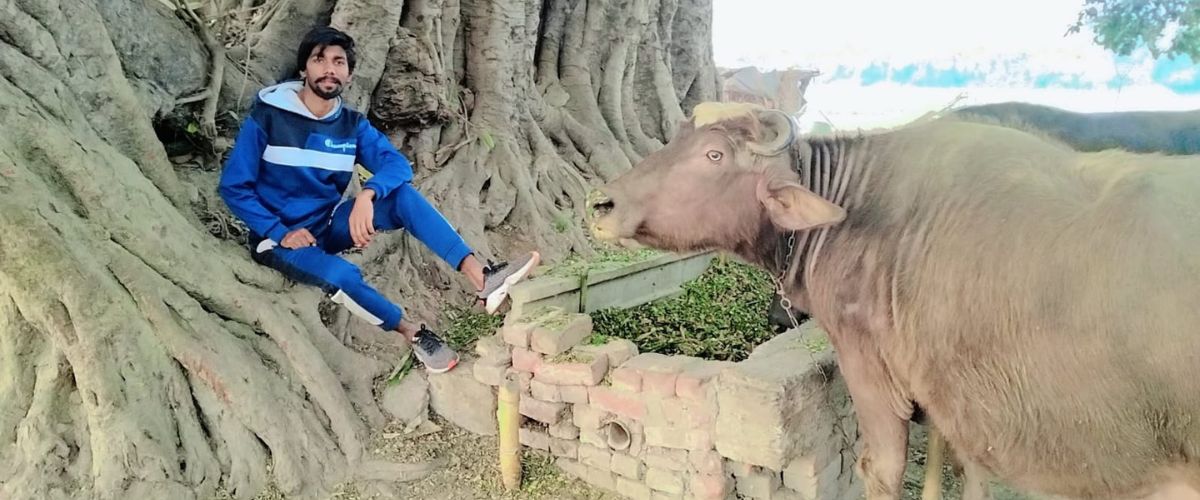
Razi Ansari—just a guy with a backpack, a camera, and too many stories from the road. I write about the real moments, the messy adventures, and the hidden corners of the world that don’t always make it to the guidebooks
Get Free Consultation
Day 1 – Lahore: The Cultural Beginning
I started my journey in Lahore, Pakistan’s heart of history and hospitality.
Morning:
After breakfast at a local dhaba (paratha, chai — the perfect start), I visited the Badshahi Mosque and Lahore Fort. Walking through these Mughal wonders felt like time travel.
Afternoon:
Lunch at Cuckoo’s Den with a rooftop view of the mosque, highly recommended for both solo explorers and families.
Evening:
Don’t miss the Wagah Border Flag Ceremony, a proud, energetic experience that will give you goosebumps.
In Lahore, you can feel history in every corner: the Walled City’s narrow streets show Mughal architecture, and local food stalls like those near Anarkali market offer recipes passed down for generations. Visiting the Badshahi Mosque at sunrise is a quiet way to see the city come alive before the crowds arrive.
Day 2 – Islamabad: The Calm Capital
A short flight or 4-hour drive from Lahore took me to Islamabad, the green and modern capital.
Morning:
Visited the Faisal Mosque, then had brunch at Savour Foods (their pulao is a must).
Afternoon:
Explored the Pakistan Monument and the Lok Virsa Museum, both perfect for families and solo travelers who love culture.
Evening:
Drove up to Monal Restaurant in the Margalla Hills, sunset from there paints the whole city gold.
Islamabad is a calm city that blends greenery and urban life. Walking around the Faisal Mosque or Daman-e-Koh viewpoint gives a sense of the mountains nearby, while local cafés in F-6 and F-7 sectors are perfect for a relaxed stop before heading to the northern valleys.
Loved this post? Save it for later on Pinterest!
Pin the ultimate beach bucket list—come back anytime for coastal guides, travel hacks, and ocean vibes!

Day 3 – Drive to Naran: Gateway to the North
Morning:
I left early for Naran, about a 6–7 hour scenic drive. The road itself is an adventure — winding mountains, roadside chai, and the smell of pine everywhere.
Afternoon:
Checked into a riverside hotel and took a stroll through Naran Bazaar.
Evening:
Dinner by the Kunhar River, cold breeze, grilled trout, and the stars above.
Naran marks the start of Pakistan’s northern wilderness. From here, you can drive along the Kaghan Valley, stop at Saif-ul-Malook Lake for its turquoise waters, and hike short trails to see waterfalls and pine forests. It’s a perfect break from city life, letting you breathe mountain air and enjoy nature at every turn.
Day 4 – Saif-ul-Malook Lake and Hunza Journey
Morning:
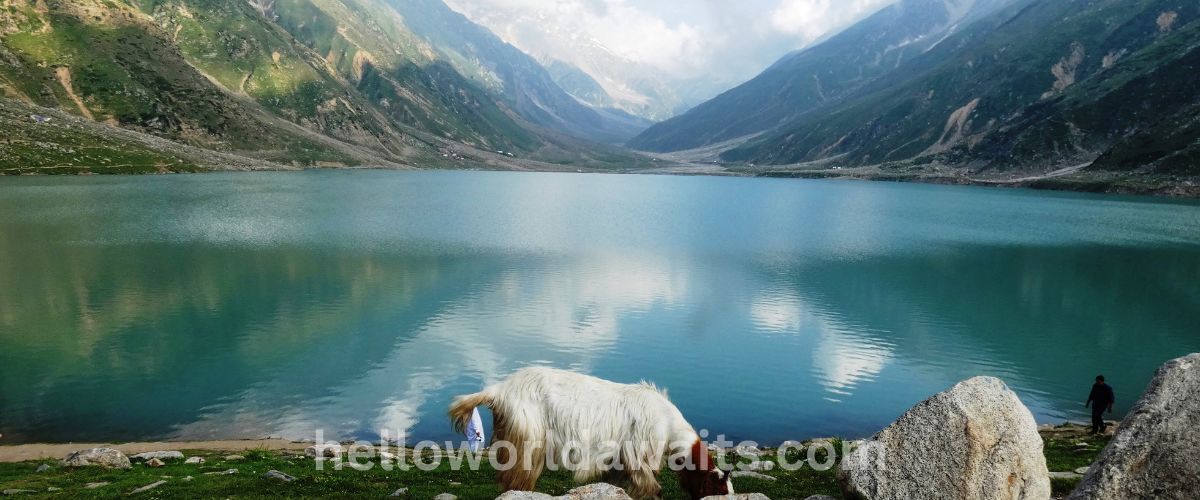
A jeep ride took me to Lake Saif-ul-Malook, a fairy-tale lake surrounded by snow peaks. It’s even more stunning in person than the photos.
Afternoon:
Continued the journey to Hunza Valley, about 6 hours of pure scenic bliss along the Karakoram Highway.
Evening:
Reached Karimabad, checked into a guesthouse with mountain views, and watched the sunset from Eagle’s Nest View Point.
In Hunza Valley, every view feels unforgettable. You can visit Karimabad to explore local markets, hike to Baltit Fort, and take short drives to see Attabad Lake. A day trip to Saif-ul-Malook Lake is a must, where turquoise waters and surrounding peaks make for one of Pakistan’s most iconic landscapes.
Day 5 – Explore Hunza: Culture, Food, and Hidden Spots
Morning:
Visited Baltit Fort and Altit Fort, ancient structures overlooking the valley.
Afternoon:
Lunch at Café de Hunza (try their walnut cake!). Then drove to Attabad Lake — the turquoise water looks unreal.
Evening:
Visited Passu Cones and the Hussaini Suspension Bridge, one of the most Instagram-famous spots in Pakistan.
Hunza is well-suited for families, with guesthouses in Karimabad and secure mountain roads making travel comfortable. Solo travelers will enjoy hiking to Eagle’s Nest or exploring local villages, where meeting locals is easy and the pace of life feels freeing.

Day 6 – Skardu: The Land of Lakes and Legends
Day 7 – Return to Islamabad
Morning:
A short flight back to Islamabad (or a long scenic drive if you love road trips).
Afternoon:
Last-minute shopping at Saidpur Village or Centaurus Mall.
Evening:
As I packed my bag for home, I realized this wasn’t the end, it was the start of my connection with a country that’s full of stories waiting to be told.
A 7-day Pakistan trip lets you experience a mix of history, culture, and nature: walking the streets of Lahore, enjoying the cafés of Islamabad, exploring the northern valleys of Naran, Hunza, and Skardu, and visiting iconic lakes and forts. By planning your days with travel times and local experiences in mind, you not only see the landmarks, but also connect with the people, landscapes, and traditions that make Pakistan unique.
Final Thoughts About One Week Itinerary For Pakistan
I spent one week traveling from Lahore to Hunza, and what surprised me most was how much you can experience in seven days without rushing. In Lahore, I explored the Walled City, Badshahi Mosque, and local chai stalls, walking through streets full of colors, smells, and sounds. In Hunza, I watched the sunrise over the Rakaposhi and Ultar peaks, met villagers who shared apricot jam, and learned about their traditions firsthand.
This itinerary is based on real experience — not just a list of attractions. It includes travel times, food recommendations, and local insights, so you know what to expect each day. From solo travelers to families, anyone can follow this plan and truly feel Pakistan’s culture, landscapes, and warmth.
Pro Tips
- Travel months: May to October are best for the North.
- Carry light layers (temperature changes fast).
- Book domestic flights early (Skardu/Islamabad).
- Locals are very friendly — smile back, say “Shukriya.