
Beyond Official Lists: What Are the Most Photogenic UNESCO World Heritage Sites in Asia Based on Real Traveler Itineraries?
Most lists of UNESCO World Heritage Sites in Asia are built from official descriptions, historical significance, and nomination criteria. What they don’t explain is which of these places actually deliver exceptional visual results when visited as part of a real travel itinerary, where time is limited, light keeps changing, crowds move unpredictably, and weather rarely follows the plan.
This guide takes a different approach. Instead of ranking sites by global recognition, it identifies Asia’s most photogenic UNESCO World Heritage Sites based on how travelers actually experience them across multi-day routes. The focus is not on what a site represents on paper, but on what it looks and feels like when you are there with a camera and a realistic schedule.

Razi Ansari—just a guy with a backpack, a camera, and too many stories from the road. I write about the real moments, the messy adventures, and the hidden corners of the world that don’t always make it to the guidebooks
Get Free Consultation
How Travelers Actually Find the Most Photogenic UNESCO Sites in Asia
Which UNESCO site in Indonesia looks best during real travel itineraries?
When travelers plan Indonesia as part of a multi-day Asia itinerary, they often discover that official UNESCO rankings don’t always match what they actually see on the ground. Many sites appear impressive in curated images, but in real-world conditions across Southeast Asia, they often depend on narrow timing windows, restricted access, or near-perfect weather conditions that rarely align during an active trip through Indonesia.
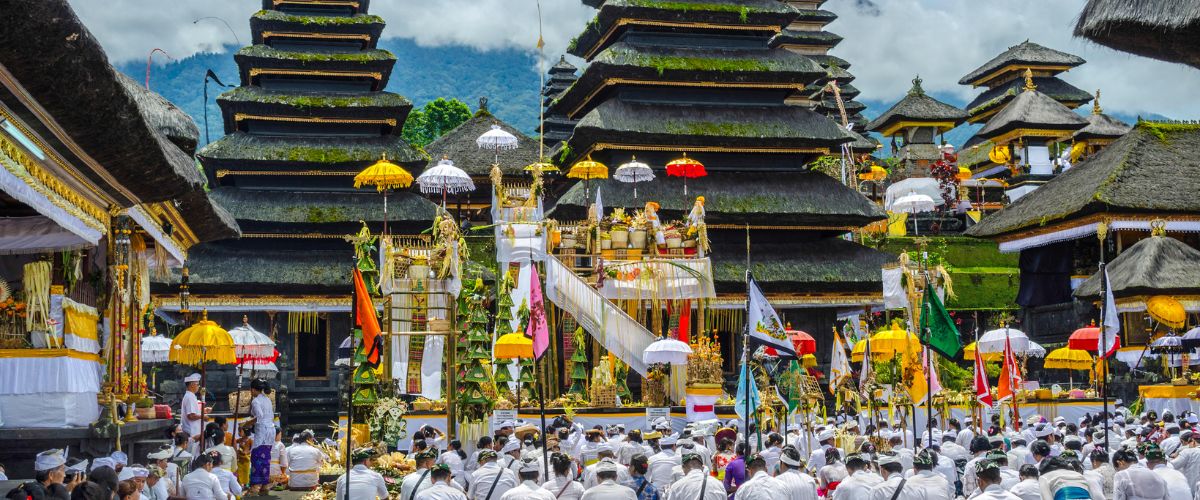
If you examine how travelers actually navigate Bali and eastern Indonesia, the Besakih Temple Complex in Karangasem, Bali, often proves more visually appealing than some more famous UNESCO World Heritage Sites. Borobudur, for example, is iconic — no question, but its best views depend heavily on early sunrise access near Yogyakarta, crowd control, and calm weather. Miss one of those, and the experience changes fast.
Besakih doesn’t rely on a single perfect moment. Most travelers reach it naturally while moving between Ubud, Sidemen Valley, and eastern Bali toward Mount Agung. Because of its elevation and open setting, light and cloud cover change constantly, giving the temples depth throughout the day rather than only at one specific hour.
There’s also a practical detail that doesn’t show up in official descriptions. Some of Besakih’s most striking views sit slightly away from the main entrance paths. Travelers who spend a bit more time walking beyond the obvious routes often leave with stronger visuals than those who treat it as a quick stop.
As interest grows around newly added UNESCO World Heritage Sites in Asia, many travelers are quietly shifting how they judge places. Instead of chasing announcements or rankings, they remember the sites that still looked good when plans shifted. In Indonesia, the Besakih Temple Complex in Bali is often remembered for that exact reason.
Which UNESCO World Heritage Site in Japan stays visually strong outside peak seasons?
Travel guides often present Japan’s UNESCO World Heritage Sites as places that shine only at very specific times of year. Cherry blossom weeks, autumn colors, or short seasonal windows are treated as must-hit moments. The problem is that most travelers moving through Japan as part of a wider Asia itinerary don’t arrive on those exact dates.
For people traveling north from Tokyo toward Sendai and the northern parts of Honshu, Shirakami-Sanchi tends to hold up better than sites that rely on peak-season timing. The forested mountain area stretches across Aomori and Akita prefectures, and its visual strength doesn’t depend on a single view or season. Light changes quickly here. Weather shifts without warning. Even so, the landscape doesn’t lose its presence.
Some of Japan’s better-known UNESCO temples and historic zones can feel underwhelming if conditions aren’t right. Shirakami-Sanchi works differently. The depth of the forest, the uneven terrain, and the gradual elevation changes mean the scenery stays visually engaging even on average days. That becomes important when travel dates are fixed, and flexibility is limited.
In real itineraries, Shirakami-Sanchi is often treated as a side trip rather than a highlight. Yet many travelers come away surprised by how much it stays with them. After long train rides into northern Japan, the silence and scale feel heavier than expected. Photos taken here rarely look planned, but they tend to feel honest.
With more attention now going to newly added UNESCO World Heritage Sites in Asia, travelers are becoming less interested in chasing perfect conditions. In Japan, Shirakami-Sanchi is often remembered simply because it still works when plans don’t.
Loved this post? Save it for later on Pinterest!
Pin the ultimate beach bucket list—come back anytime for coastal guides, travel hacks, and ocean vibes!

Which UNESCO World Heritage Site in India works best within real travel itineraries?
In India, travel could hold many surprises, long transfers, crowded attractions, and ever-changing plans that change with the course of the day. It is due to this reason that many UNESCO Heritage Sites in Asia that look very alluring in photographs might not make the same impact when included in an itinerary.
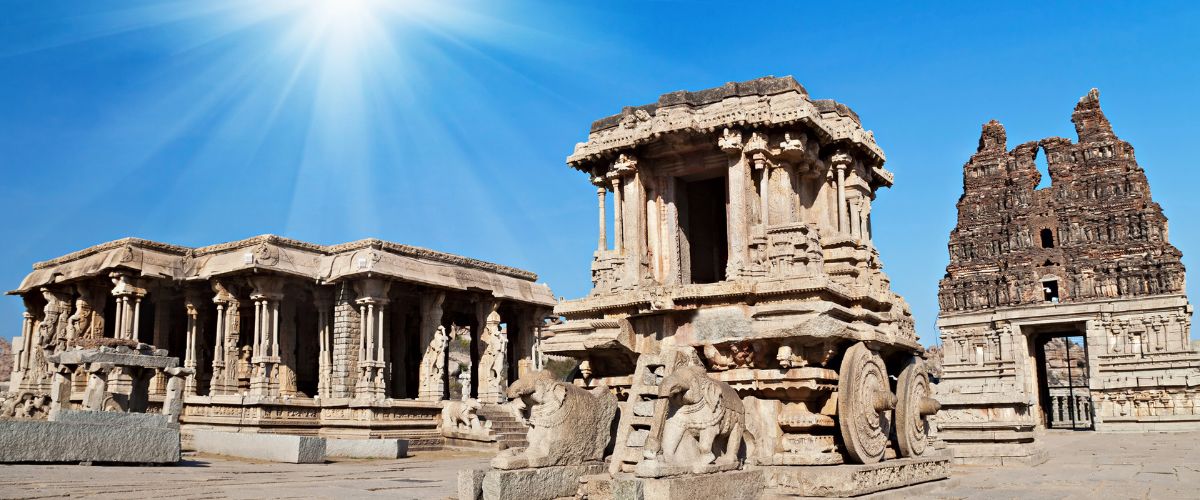
As you watch tourists make their way through Karnataka and South India, Hampi is more easily incorporated into longer itineraries than some of the more destination-specific sights. For example, the Taj Mahal is highly dependent on early access and crowd management, but Hampi is large enough to provide ample opportunities for tourists to move around.
The experience in Hampi does not occur from any particular fixed perspective. Most circuits spread gradually from Sessions along the rivers, vantage points on the hills, temple complexes, to rocky outcrops over an average period that could span one to two days. It also helps to have different lighting conditions.
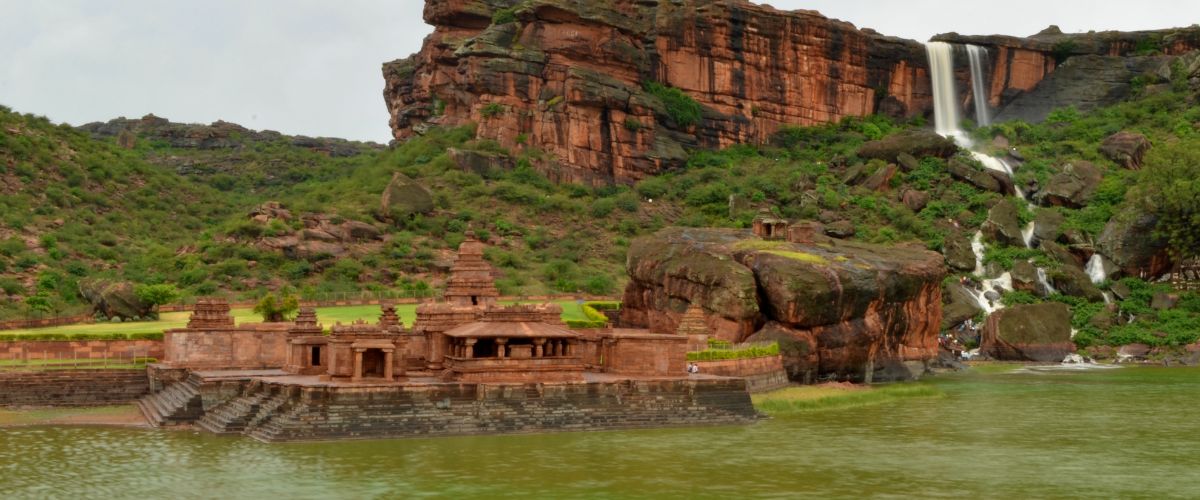
Again, insight from real-world travel plans brings out how frequently Hampi is combined with other tourist spots in the same vicinity in a circuit starting from Badami, Aihole, and Pattadakal. This makes the journey to each location a less mundane exercise in tourism as compared to smaller destinations.
As more people become interested in newly added UNESCO World Heritage sites located in Asia, it seems that travelers’ interests in India are turning to places that easily adapt to real travel patterns. Of course, places like Hampi are usually remembered not for everything going according to plan, but for just functioning well when things don’t.
Hampi is a UNESCO World Heritage site famous for its ancient ruins, temples, and stunning landscapes. Explore the historic sites, enjoy guided tours, and experience the unique beauty of this ancient city. Make sure to plan your visit with local tours and nearby accommodation for a complete experience.
Which UNESCO sites in China still feel visually powerful on tight travel timelines?
China’s UNESCO sites are occasionally marketed for their historical significance on a grand scale, but it’s unlikely that any official description details why or how these sites are operational in terms of actual traveling routes. As tourists proceed to explore China in their tight schedule plans, accounting for domestic traveling times in large countries like China, the visual experience is quite selective.
Aside from the designated histories being recounted, real-life travel observations show that some of the UNESCO heritage sites in China remain valid subjects for photo opportunities even in a short period of time. Those places with ample spatial configurations and direct exposure to light are more likely to keep their attractiveness even in short visits.
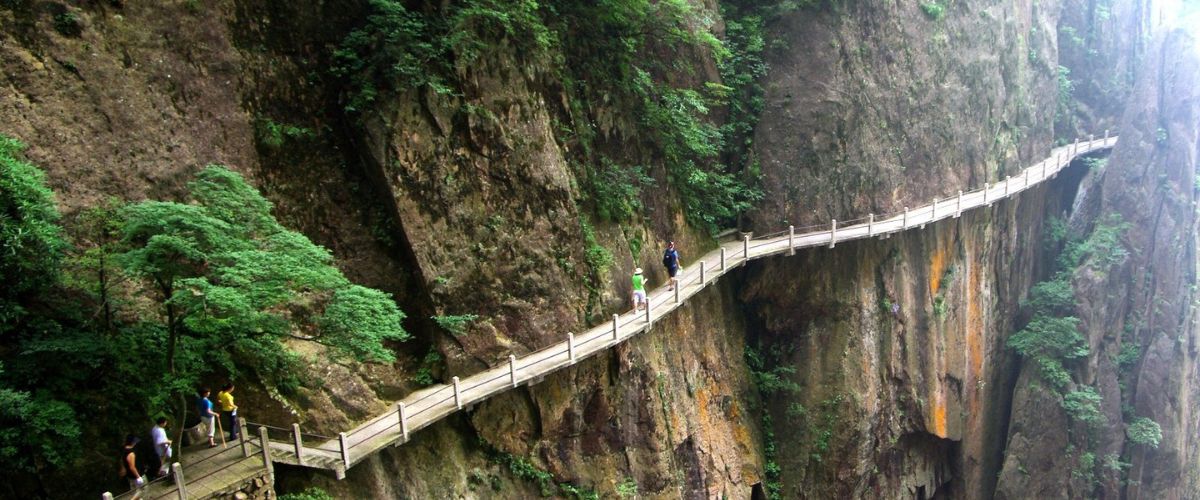
The Yellow Mountains, or “Huangshan“ to local and outside visitors alike, is another location that is recommended for this purpose: It has a series of ridges and ever-changing clouds that provide depth at all times of day and would provide strong scenic return to tourists taking real routes to reach there, even if only for a short period of time to capture their scenic images and return to their routes or journeys of life.
The crowd movement and walking distance are also very important. The actual travel paths indicate that destinations taking up large ground areas or having multiple access points seldom realize their full potential in terms of visual payoff, especially when schedules are tight. Those locations, boasting visible payoff on the prime routing path, usually offer better consistency.
When compared on real travel itineraries instead of official ratings, some UNESCO World Heritage sites found within China have come out as some of the places that can truly deliver visual value for those traveling across the Asian continent on realistic travel times.
Which UNESCO sites in Thailand still feel visually authentic once you step away from curated viewpoints?
When travelers move through Thailand as part of a broader Southeast Asia route, they often notice a similar gap between how UNESCO sites are presented and how they actually feel once travel plans start shifting. Many locations look flawless in official photography, but on the ground, the experience depends heavily on crowd cycles, heat, and how much time a traveler can realistically spend at the site.
If you look at how travelers actually navigate central Thailand, Ayutthaya frequently leaves a stronger visual impression than expected, especially when compared to sites that rely on tightly controlled viewing conditions. Sukhothai, for instance, is historically monumental, but its most striking visuals often depend on wide daylight windows, long cycling routes, and extended time on site. Travelers passing through on compressed itineraries don’t always experience it at its best.
Ayutthaya works differently. Most travelers encounter it organically while moving between Bangkok and northern Thailand. Because the ruins are spread across open space and integrated into the surrounding city, the visual experience builds gradually rather than peaking at one perfect moment. Changing light, reflections near the river, and partial ruins seen from multiple angles create depth even during short stops.
There’s also a detail rarely mentioned in official descriptions. Some of Ayutthaya’s most visually compelling views appear while moving between temples rather than inside the main complexes. Travelers who explore on foot or by bicycle without rushing a checklist often come away with stronger visuals than those who arrive expecting a single iconic frame.
As travelers across Asia begin reassessing how they judge UNESCO World Heritage Sites, Thailand quietly illustrates an important shift. Places that remain visually engaging despite heat, crowds, or altered schedules tend to leave a deeper impression than those that only shine under ideal conditions. For many travelers, Ayutthaya is remembered not for how it was marketed, but for how reliably it worked in real travel flow.
This is really interesting, You’re a very skilled blogger.
I’ve joined your feed and look forward to seeking more of your excellent post.
Also, I’ve shared your site in my social networks!
Admiring the hard work you put into your blog and detailed
information you provide. It’s awesome to come across
a blog every once in a while that isn’t the same
unwanted rehashed information. Fantastic read! I’ve saved your site and I’m adding your
RSS feeds to my Google account.