
Staying Cheap in Pakistan: Real Accommodation Options Most Guides Don’t Explain
Finding budget-friendly accommodation in Pakistan doesn’t have to be a challenge. Whether you are a solo traveler, a backpacker, or planning a family trip, this guide reveals real and affordable stays across hotels, hostels, Airbnb rentals, and unique accommodations like glamping and treehouses.
Unlike typical guides that only list popular hotels, here you’ll discover how to find safe, convenient, and cheap places in Pakistan that match your travel style. From budget hotels in major cities to hidden guesthouses and local homestays, this article provides actionable tips and insider knowledge for every type of traveler. By the end, you’ll know where to stay cheaply in Pakistan without compromising comfort, and how to plan your stay smartly while enjoying authentic experiences.


Razi Ansari—just a guy with a backpack, a camera, and too many stories from the road. I write about the real moments, the messy adventures, and the hidden corners of the world that don’t always make it to the guidebooks
Get Free Consultation
Budget Hotels in Pakistan: When Cheap Still Means Comfortable
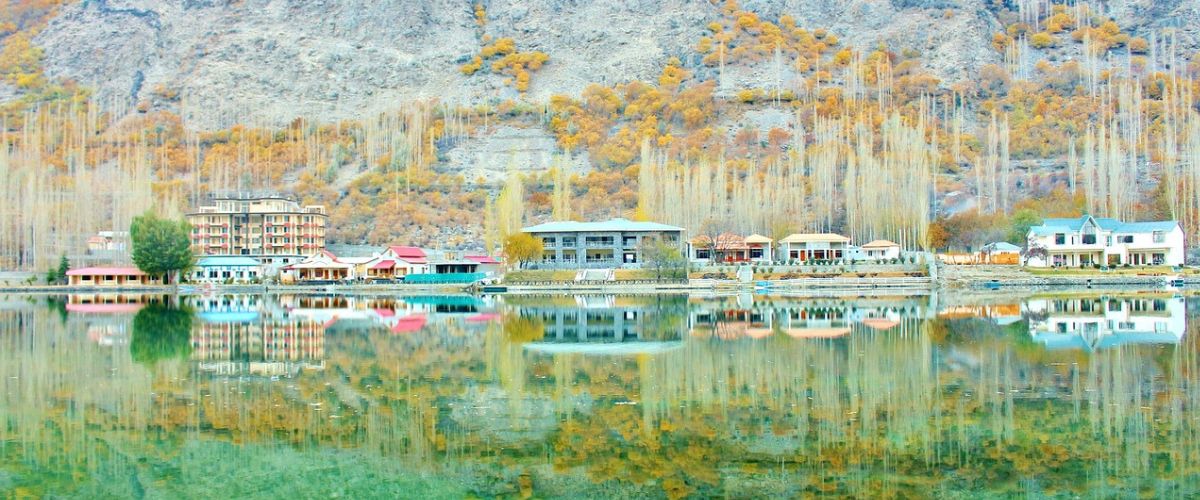
Staying cheap in Pakistan is possible, but only if you treat accommodation as a process, not just a booking decision. Most travelers make the same mistake here; they only search, while a practical approach is to test options.
If you’re arriving in a city for the first time, the safest and most effective approach is to spend the first night in a known option (a budget hotel or a verified guest house). This does not mean choosing the cheapest place available — it simply means controlling risk. In Pakistan, the biggest downside of cheap accommodation comes from late-night decisions, which is why the goal of the first night should be stability, not savings.
Once you understand the area, cheap options actually start to work. At this stage, the walking-radius method becomes useful: check guest houses and budget hotels within 200–300 meters of where you’re staying. These are the places with fewer online listings and more honest local rates. This is where the deals are found that most guides never explain.
Another practical rule for staying cheap is to be clear about the purpose of your stay. If you only need a place to sleep, avoiding high-traffic areas becomes essential — even if the room itself is cheap. In Pakistan, noise, early-morning activity, and market timings directly affect rest. A cheap room only adds value when the location is livable; otherwise, the savings stay on paper.
It’s also important to understand that Pakistan’s accommodation market is negotiation-friendly, but only when the approach is right. Asking for the rate at the counter and accepting it immediately often costs more. A better approach is to see the room, check the facilities, and then calmly ask, “What would the rate be if I stay for two nights?” At that point, a discount is often offered — without any argument.
The core of this entire process is simple: cheap accommodation in Pakistan works when you move away from a one-click booking mindset. Travelers who follow this approach find staying cheap to be repeatable. Those who rely only on apps turn cheap stays into a matter of luck.
Asia is a continent where contrasts are just breathtaking, all the way from ancient temples to the towering skylines of modern cities and serene trekking trails to bustling streets. Starting with the Himalayas, crowned with snow, to the sun-splashed shores of Southeast Asia, every place has its own beat and its own tale to be explored and discovered. This continent is not only enormous, but it is also buzzing with vibrant colors and endless possibilities to explore and experience. It’s through the travel blog Asia where I deliver personal experiences and expert tips to explore Asia in a totally different way – beyond the usual paths and immerse in the culture and people who are just so unforgettable in Asia.
Hostels in Pakistan: The Lowest-Cost Option for Certain Travelers
Hostels in Pakistan are cheap, but many people make the mistake of choosing them for the wrong reasons — and then end up with a bad experience. The first thing to understand is that hostels are not the same for everyone. What works perfectly for a solo traveler can be uncomfortable for a family or anyone who values privacy.
The most common concern is safety. Most hostels in Pakistan are generally safe, but location and the type of guests matter a lot. Hostels near universities or popular tourist areas are usually more predictable, while those in random residential streets may have unclear rules. So when choosing a hostel, don’t just look at the price — see who else is staying there.
Another real issue travelers face is sleep and routine disruption. Dorm rooms are shared, and everyone has a different schedule. Some come back late at night, others leave early in the morning. If you are a heavy sleeper, a hostel can be tiring even if it’s cheap. This is why hostels are better suited for people who are flexible with their travel schedule, rather than those with strict routines.
One practical advantage of hostels in Pakistan that few guides mention is the free flow of information. Transport options, local food, cheap restaurants, and tips for your next destination — all of this can be learned in a few minutes just by talking to staff or other guests. Travelers staying in hotels often have to figure this out themselves, which can cost both time and money.
Here’s a key point most blogs skip: hostels are cheap and useful when used smartly, not blindly. If you rely on a hostel for 4–5 nights straight, mental fatigue can set in. Smart travelers often use a hostel for the first night or two, gather local information, and then shift to a budget hotel or guesthouse nearby. This hybrid approach works best in Pakistan.
The bottom line is that hostels in Pakistan are not the cheapest simply because they are “better.” They are effective because they reduce risk and provide fast, practical information. If you use a hostel as a starting point rather than the final solution, staying cheap becomes both practical and sustainable.
Airbnb & Short-Term Rentals: Cheap or Risky in Pakistan?
Airbnb and short-term rentals are becoming increasingly popular in Pakistan, but booking based on price alone can often be risky. The first thing to understand is that availability and quality vary widely depending on the city and area. Listings exist in Karachi, Lahore, Islamabad, and northern tourist hubs like Hunza or Skardu, but not all of them are reliable.
One of the most common problems travelers face is the host response and check-in process. Online photos and descriptions may look great, but reality on the ground can be very different. Some hosts don’t allow late-night check-ins, while others may cancel at the last minute. If it’s your first time in a city and you don’t have a backup plan, this can be a major risk.
Another issue is hidden costs and facility mismatches. Many short-term rentals in Pakistan have extra cleaning fees, security deposits, or utility charges that aren’t included in the listed price. Sleep quality can also vary depending on building noise, street activity, and location. Blindly assuming “Airbnb = cheap” can easily backfire.
Here’s a practical approach to make Airbnb work in Pakistan:
- Check reviews thoroughly — focus on real guest comments, not just star ratings.
- Communicate with the host — message them in advance to confirm check-in, security, and available facilities.
- Have a backup plan — save the number of a nearby hotel or guesthouse in case something goes wrong.
- Use a hybrid strategy — stay the first night in a verified Airbnb or rental, then explore the area and move to a local guesthouse or hostel if you find a better deal.
The main advantage of Airbnb in Pakistan is that it can often be cheaper than hotels for group or family stays, with fully furnished rooms included. However, the biggest risk is that privacy and reliability vary from listing to listing. Solo travelers or first-timers should plan carefully, with patience and a backup ready.
Bottom line: Airbnb and short-term rentals in Pakistan can be a cheap and convenient option for smart travelers, but blind bookings without local knowledge often cause problems. If you verify the first night, check reviews, and use a hybrid approach, this option can be cost-effective, flexible, and surprisingly practical.
Guest Houses, Homestays & Hidden Local Stays
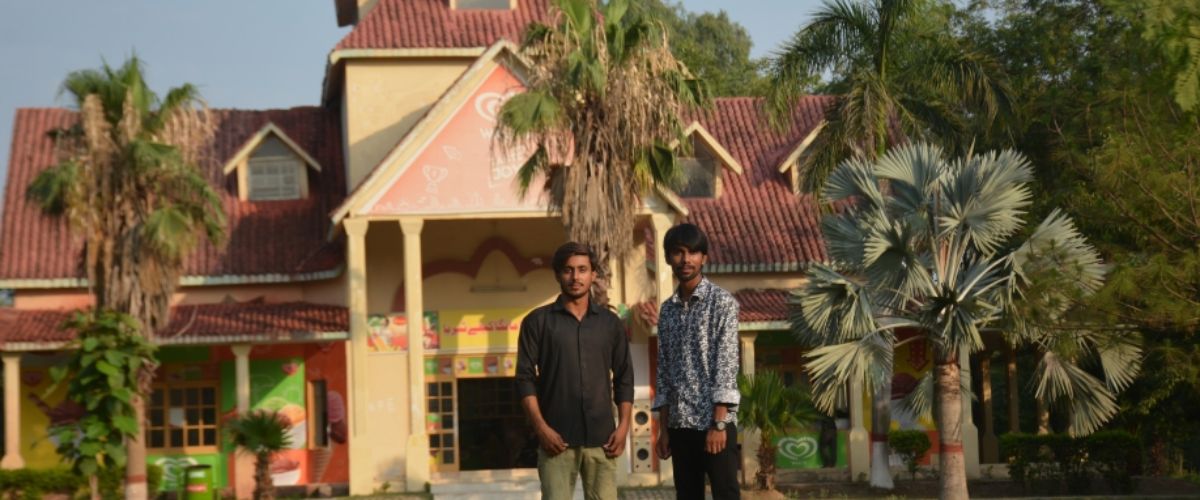
In Pakistan, guest houses and homestays are best for people who want an option between hotels and hostels. Most of them are family-run, which is why prices are reasonable, and the environment feels safer, especially if you are planning a long stay.
In major cities like Lahore, Islamabad, and Karachi, guest houses are usually located in residential areas. This helps keep room rates lower and noise levels under control. If you speak directly with the owner and book the room in person, a guest house often ends up being 20–40% cheaper than a budget hotel.
In northern areas, the homestay scene works very differently. In Hunza, Skardu, Swat, and Kalash, many locals only offer homestays during the tourist season by opening an extra floor of their house, a wooden room, or a garden-side hut for travelers. These options are rarely listed online, which is why people who rely only on apps often never find them.
One important point that many travelers miss is that comfort in homestays and local stays changes with the season. A basic room may feel fine in summer, but the same room can become uncomfortable in winter. That is why it is important to check heating, sunlight, and insulation before finalizing a room.
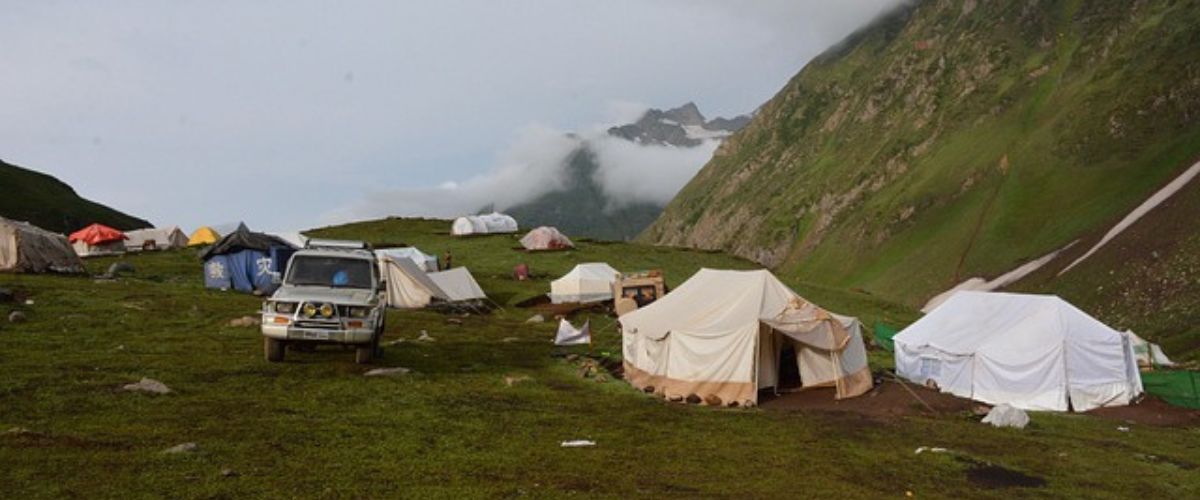
Hidden local stays such as tree houses, huts, tents, or temporary rooms usually appear during peak season. These are not permanent hotels but operate based on demand. The location and experience can be great, but facilities are not the same everywhere. This option suits travelers who are flexible and prefer to see the room before making a decision.
Another advantage of guest houses and homestays is that negotiation is easier for long stays. If you mention that you plan to stay for three to five nights, owners often lower the rate. This kind of flexibility is much less common in hotels and Airbnbs.
Common Mistakes Travelers Make When Booking Cheap Stays
When booking cheap accommodation in Pakistan, most people base their decision on price, even though price is only a signal, not a guarantee. This is the first mistake that travelers keep repeating.
Relying only on apps
The most common mistake is relying only on booking apps or Google Maps listings to make a decision. In Pakistan, many guest houses, homestays, and local stays are not online at all. People who depend only on apps often end up either paying more or saying, “There’s nothing cheap available here.”
Taking pressure on the first night
One thing that comes up repeatedly in Reddit and Facebook groups is this:
“We arrived late at night, were tired, and took whatever we could find.”
In Pakistan, this is the most expensive mistake. During late-night check-ins, there is almost no room for negotiation, and you often end up taking the worst room at the highest rate.
Taking location lightly
Many travelers see a cheap room and don’t properly check which area it is in. In Pakistan, staying in the middle of a market, near a bus stand, or on a main road may seem like a cheap option, but it can significantly impact both sleep and safety. This is something many travelers regret later.
Assuming online photos will be the same
This is a Pakistan-specific reality:
Online photos matching the actual room is not guaranteed.
People often write in travel groups that “the pictures were five years old.” Paying before seeing the room can turn a cheap stay into a costly experience.
Ignoring the season
This mistake happens most often in northern areas. A room that feels fine in summer can become cold and uncomfortable in September or October. Travelers focus only on the rate and ignore heating and insulation. Later, they either spend extra money or have to cut their stay short.
Not negotiating
There is a hidden rule of cheap stays in Pakistan:
If you don’t ask, you pay more.
Many travelers treat the counter rate as final, even though simply mentioning a stay of two or three nights often leads to a lower price — without any argument.
Not having a backup plan
This line is very common in Facebook travel groups:
“My booking was canceled, and I had no other option.”
With cheap accommodation, having a backup is essential. Not having the name or number of a nearby guest house or hotel creates panic — and panic always ends up being expensive.
If you’re looking for a thrilling chase, escape evil granny obby is your next must-play! This obby throws you into a terrifying scenario where quick reflexes and smart movement are key to survival. It’s a fantastic test of nerve and agility, perfect for those who enjoy a good scare and a challenging parkour experience. Get ready to run!
How are you?
i m good