
Don’t miss these incredible places to visit in Laos on your trip
If you want the best places to visit in Laos and the most exciting things to do in Laos then these ancient temples lush waterfalls vibrant markets and peaceful rivers will make your trip unforgettable

Get eVisa
via Horved

Travel Insurance
Via nomads
Get Free Consultations
Loas Travel FAQs: Popular Places, Culture, and The Best Things to Do
As a traveler interested in culture, what would be the best places to explore in Laos?
Enjoy a scenic boat ride down the Mekong river, as well as exploring the colonial architecture in the streets of Vientiane, plus the UNESCO temples of Luang Prabang.
Which heritage sites can be experienced in Laos for an insight of deep culture?
Explore the Wats Phou temple complex, colonial-era buildings of Vientiane, as well as Buddhist traditions in luang prabang.
What are some recommended traditional dishes from Laos?
Don’t forget to consider local night markets as well as food tours for delicious offering Laap (minced meat salad), grilled sticky rice, and other great local options.
Does Laos offer any relaxing activities like wellness retreats or spas?
Absolutely! Take a break at country-side resorts, or enjoy traditional herbal spas in Luang Prabang alongside riverside yoga retreats
What is the best time to go to Laos considering ideal weather and festivals?
From November to February, the dry season celebrates cooling off, which is great for traveling and participating in Pi Mai—the Lao New Year.
What adventure travel in Laos is popular among thrill-seekers?
Trekking in the Luang Namtha region is also quite popular, as is kayaking down the Nam Ou River or exploring hidden waterfalls and cave systems in the countryside.
Which hidden villages in Laos are worth visiting for rural tourism?
For an authentic village experience paired with stunning mountain views, cultural immersion, and ethnic community interaction, one can head to Nong Khiaw or Muang Ngoi.
What traditional festivals in Laos are must-see for travelers?
Celebrating Pi Mai with water splashing, regional festivals featuring colorful that luang festival, and active boat races are quintessential Lao experiences.
What are the best Laos souvenirs to bring back home?
Look no further than artisan markets in Luang Prabang for hand woven textiles, local silver jewelry, Lao coffee, and handmade paper lanterns—perfect Laos souvenirs.
Find Hotles
via booking,com
Find Hostels
via Hostelworld
Find Rental Car
via sunny travel
Find Flights
via skyscaner
Book A Bus
via 12Go
Get Travel Insurance
via heymenda
Get Visa
via ivisa
How To Pack
our tips
Advances in Urban Areas And Culture in Laos
Laos is often recognized for it’s peaceful cadence,and one can hear a faint buzzing from the cities folk whisks by at the urban center. Travelers are rediscovering Luang Prabang and Vientiane in 2025 for their unique blend of Buddhist serenity intertwined with the remnants of colonial nostalgia. Laos’ urban culture blends the old and the new, where age-old traditions coexist with modern influences in everyday life. For those seeking places to visit in Laos, rivers cafes serves fresh brews while saffron-robed monks cross the bridges at sunrise — highlights among the top destinations in Laos.
Focus Of The City
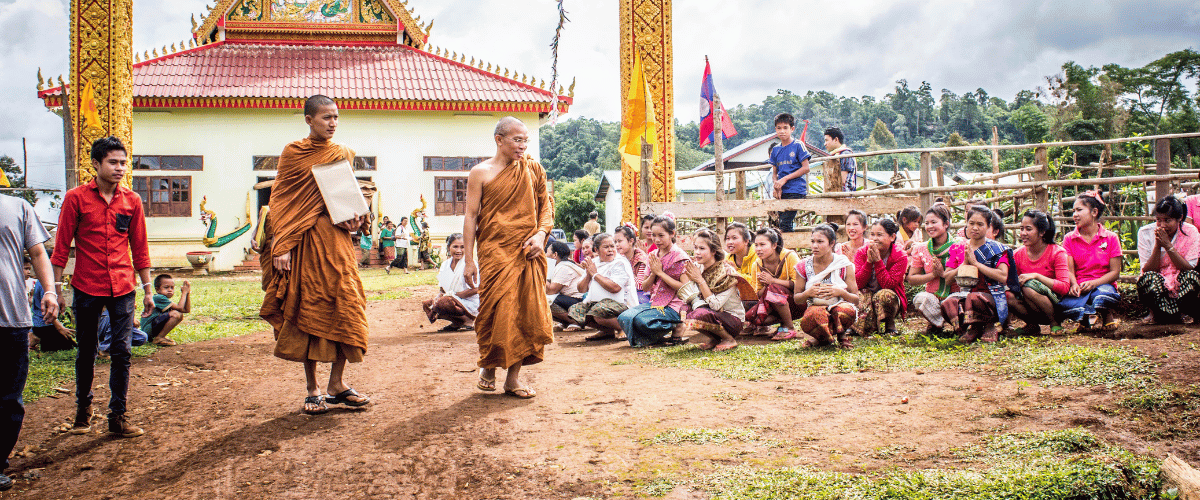
Watch the morning alms ceremony which is an enchanting spiritual performance.
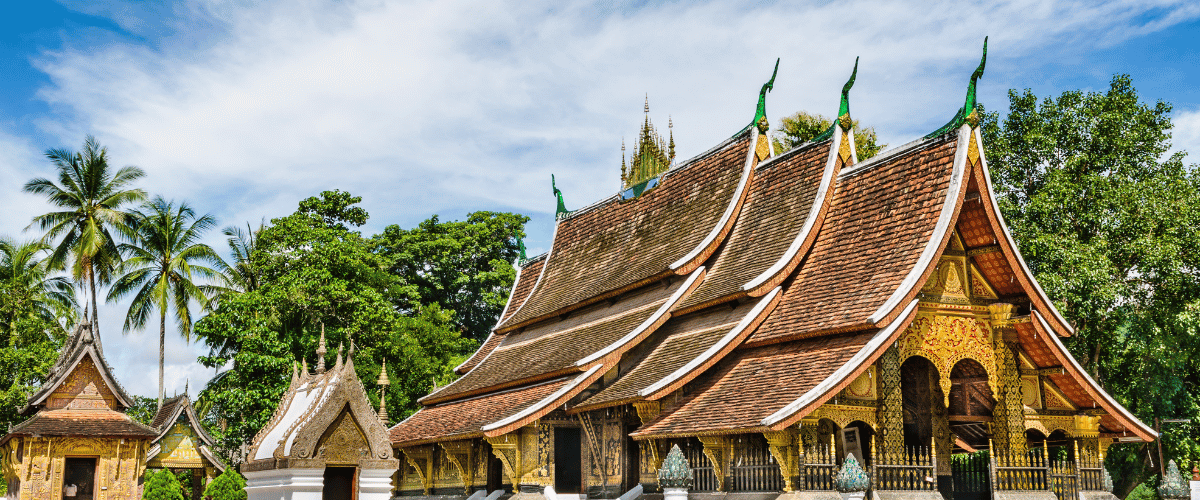
A visit to the stunning Wat Xieng Thong, often celebrated as the “jewel of Lao elegance,” offers a glimpse into the country’s refined spiritual artistry.
Vientiane: Capital of Calm
Take a walk at the Mekong riverside promenade in the early evening hours.
Pay homage at Pha That Luang.
Discover one-of-a-kind places like Bang Phuan Buddha Park, where a striking collection of surreal and diverse sculptures creates an otherworldly atmosphere.
Take a gander at Kuang Si waterfalls or Black HIlls if you are fond of gaing to places with natural beauty.
Pakse & Beyond
- These areas acted as the gateway to bolaven plateau and coffee areas.
- Take a closer look at wat Phu,an ancient Khmer site predating Angkor.
- Acquire insights regarding the Lao monarchy in the royal palace museum of Luang Prabang.
- COPE Visitor Centre in Vientiane offers powerful, eye-opening stories that shed light on the devastating legacy of unexploded ordnance in Laos.
Traditional Arts & Ethnology Centre – Characteristics of ethnic groups throughout the country.
FAQs: Urban Development & Culture in Laos
Did You Know?
Known for traffic free streets, Vientiane is also one of the smallest capital cities in the world.
Pro Tip!
Mekong river cruises from Luang Prabang are the most tranquil and breathtaking while offering a glimpse into riverside life.
History & Heritage in Laos
Historical & Cultural Landmarks
Luang Prabang – Living Heritage
- Visit Royal Palace Museum to see Lao-French colonial architecture and stroll through the museum.
- Climb Mount Phousi for stunning sunset views over gilded rooftops.
- Explore exquisite mosaic adorned temples such as Wat Xieng Thong, a 16th-century marvel.
Vientiane – The Capital’s Spiritual Core
- Marvel at the nation’s most sacred stupa, Pha That Luang.
- Visit the oldest surviving temple in Vientiane, Wat Si Saket, with its thousand Buddha images Vientiane’s.
- Stroll along Rue Setthathirath lined with French colonial villas and Lao cafes.
- Explore Sites 1, 2, and 3, which contain hundreds of mysterious megalithic jars.
FAQs: Exploring the Rich History & Heritage of Laos
Pro Tip
Consider hiring a local guide; no guidebook can compare to how local storytellers animate the silent stupas and stones with their narratives.
Did You Know?
Luang Prabang is a UNESCO World Heritage Site which is recognized for its preserved fusion of traditional Lao town planning and French colonial urbanism.
Food & Drink in Laos
Must-Try Dishes
- Laap (Larb) – Spicy minced meat salad with lime, herbs, and toasted rice. Laos’ national dish.
- Tam Mak Hoong – Papaya salad served Laos-style, it’s fiery, tangy, and includes fermented fish sauce.
- Khao Niao (Sticky Rice) – The staple shared dish. Traditionally presented in handwoven baskets, this meal is meant to be enjoyed the authentic way—eaten entirely by hand.
- Or Lam – A comforting, earthy stew hailing from Luang Prabang, made with wood ear mushrooms, fragrant lemongrass, and a medley of herbs native to the region.
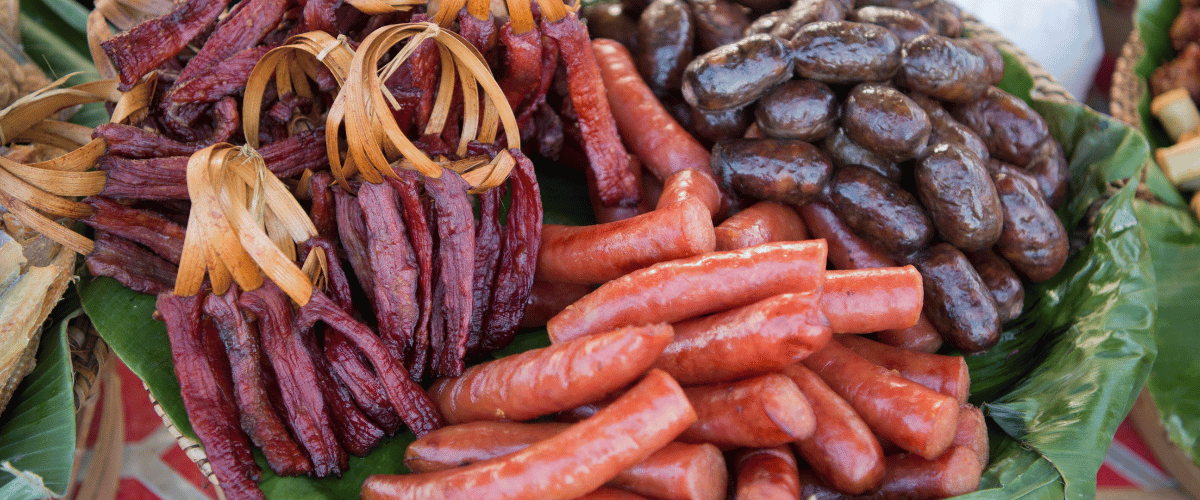
- Sai Oua – Grilled sausage of lemongrass, galangal and chili infused herbal spices.
Street Food Spots & Local Eateries
- Luang Prabang Night Market – Offers coconut pancakes, grilled meats, and snacks made from riverweed.
- Transliterated as ‘The Riverside of Vientiane’ – Food stalls famous for serving BBQ and beer alongside stunning views.
- Pakse Market – Known for Southern Laotian spice and regional flavors.
FAQs: Discovering Food, Drinks & Flavors of Laos
Pro Tip
Did You Know?
Lao culture has a unique perspective on food; not accepting offered food is considered impolite, so smile graciously and accept regardless of your true willingness.
Wellness & Relaxation in Laos
Top Wellness Experiences
Steam baths: Found in temples and local spas. Often, these are followed by a traditional Lao massage. For authenticity, have one in Luang Prabang.
Yoga in Nature: Riverfront sessions, bamboo shalas, and jungle hideaways in Luang Prabang and Nong Khiaw.
Massage and Bodywork: Lao massage incorporates stretching and acupressure. Seek out local-run or NGO-supported women’s centers.
Slow Travel on the Mekong: Meditative multi-day boat journeys along the Mekong, include long periods of silence and no Wi-Fi.
Best Retreat Destinations
Wellness hotels in Luang Prabang offer spa treatments rooted in Lao traditions and yoga classes alongside jungle views.
Nong Khiaw: Riversides bungalows and the mountains offer pure tranquility.
Vientiane: City spas provide foot massage and steam rooms with aromatherapy treatments. Lao Herbal Traditions
Ginger, lemongrass, and kaffir lime—staples of traditional Lao herbal wisdom—are often used in steam baths and oil therapies.
Ancestral guided traditional medicine is practiced in the countryside.
FAQs: Wellness, Relaxation & Spa Experiences in Laos
Recommended Practice
A soothing detox steam paired with a tamarind body scrub is a beloved ritual in the holistic spas of Luang Prabang. Give it a try!
Fun Fact
In certain villages, herbal steam saunas are more than just wellness practices — they’re steeped in sociocultural significance as women come together to rejuvenate and share community stories.
Nature & Seasons in Laos
Seasonal Breakdown
Dry Season (November–April)
Best for: Sightseeing, river cruising, trekking.
Gentle days and crisp, cool evenings create the perfect backdrop for outdoor exploration and adventure.
Hot Season (March–May)
An ideal time to join the joy of Pi Mai Lao (Lao New Year) and soak in the fun of vibrant water celebrations.
Fervent atmosphere makes up for scorching days.
Rainy Season (May–October)
Best for: Verdant landscapes, fewer crowds, powerful waterfalls.
Mornings are often sunny, with afternoon rains. Roads in rural areas may be muddy.
Highlights of Nature by Region
- Aligning your visit with the dry season will offer the best experience in Luang Prabang, particularly for river excursions and temple visits.
- Early wet season is the most scenic for tubing on the river, with lush green cliffs surrounding the water, so visit Vang Vieng during that time.
- In the rainy season, Padse and the 4000 Islands come alive—rivers become perfect for kayaking adventures, and powerful waterfalls put on a breathtaking show.
- Northern Highlands – The period between November and February is most suitable for trekking due to the cool and crisp temperatures.
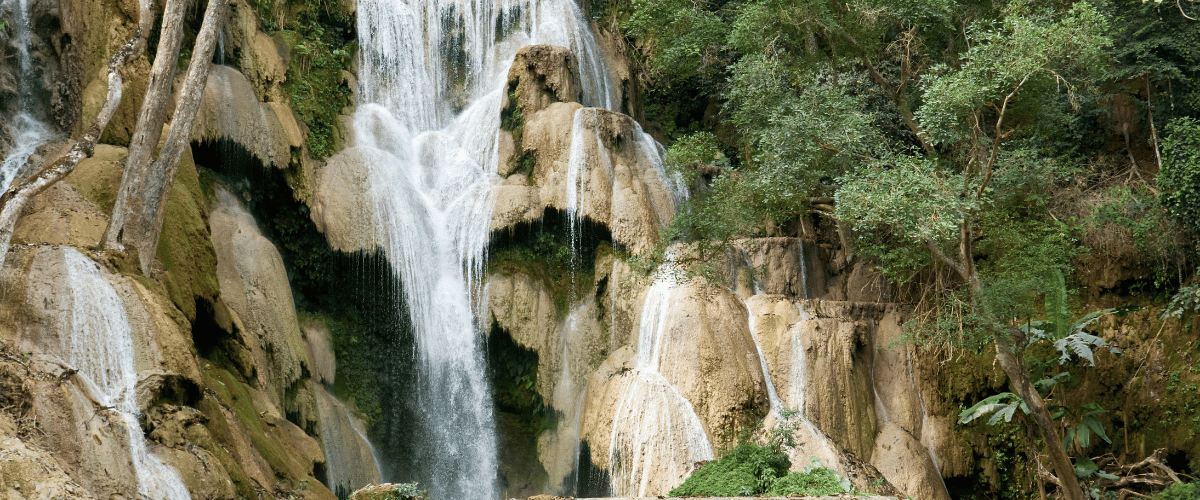
FAQs: Exploring Nature & Seasons of Laos
Pro Tip
Always have cash ready, as ATMs are scarce in rural areas. If traveling during the monsoon season, pack quick-dry clothing and a light raincoat.
Did you know?
Laos is home to over 20 nationally protected areas spanning from the Annamite mountains to wetlands rich with diverse and endangered avian species.
Hidden Towns and Villages in Laos
Discover Laos Beyond the Usual Trails
Stilt houses by rivers, shrouded in foggy mountains, and timeless markets reveal the quiet charm of Laos, which lies well beyond the reach of main highways and guided tours. These hidden towns and villages perfectly capture the spirit of slow, meaningful travel. In 2025, the trend will shift toward deeper immersion instead of mere checklists. Among the most authentic places to visit in Laos are Nong Khiaw and Muang Ngoi, where connection is deeply felt—whether you’re sipping tea by the river or hiking into the misty mountains. Laos remains splendidly simple, serenity enveloped in unwavering soul.
Undiscovered Gems Await Exploration
Nong Khiaw
A village located beside the river, encircled by steep cliffs and jungle pathways.
Kayak the Nam Ou, relax in riverside bungalows, or hike to the viewpoint.
Muang Ngoi Neua
Accessible only by boat from Nong Khiaw.
No cars, no worries — just tranquil mountains, hammock-laden corners, and pastoral lifestyle.
Walk to nearby ethnic Khmu villages.
Si Phan Don (4000 Islands)
Laid back island life in the Mekong can be found on Don Det and Don Khon.
Be on the lookout for idyllic bike trails, stunning waterfalls, and the rare Irrawaddy dolphins.
Sam Neua & Viengxay Caves
Rugged and remote, revealing the historic caves where Lao leaders hid makes for an adventure.
Reward yourself with breathtaking mountain views in the less explored Northeast region.
Oudomxay Province: Muang La
An eco-lodge offers extravagant amenities while sacred hot springs and hill tribe trekking are famous in the area.
Best suited for remote off-grid escape vacations combined with some comfort.
Why Go Off the Beaten Path?
Cultural immersion: Participate in village traditions such as cooking, handicrafts and living with families.
Access to nature: The best trekking and scenery in Laos is away from the cities.
Leisurely pace: Low crowds provide peace and true relaxation.
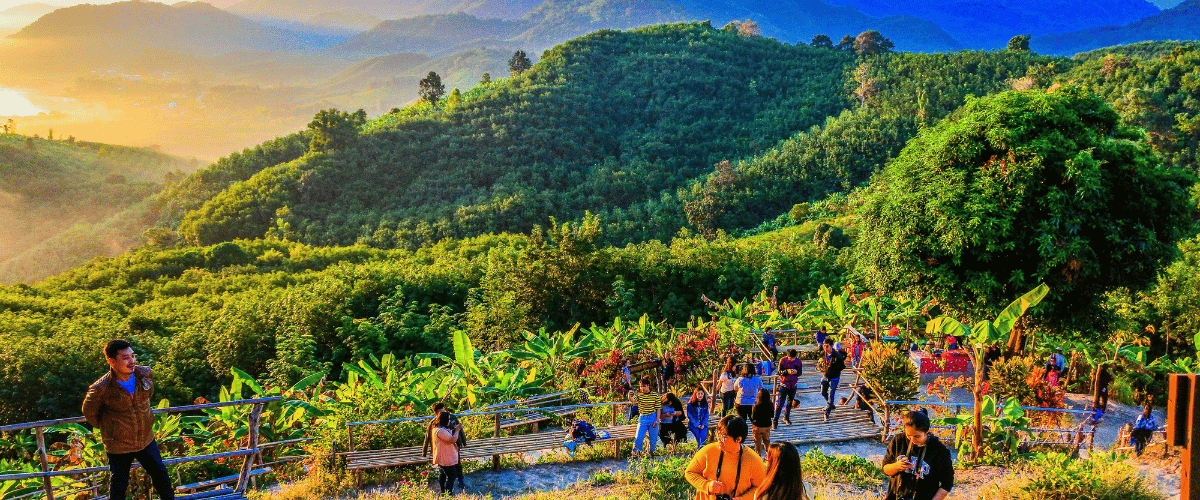
FAQs: Hidden Towns & Villages of Laos
Pro Tip
Spend some time in cities to gather batteries and toiletries because rural towns have a very limited supply.
Did you know?
Until 2013, Muang Ngoi did not have electricity. Many guesthouses still depend on solar power, making their stays truly eco-friendly.
Festivals & Events in Laos
Important Traditional Festivals To Attend
Pi Mai Lao – Lao New Year celebrations held in mid-April
- The largest and most extravagant celebration of the year, lasting three days.
- The festival consists of grand parades, the construction of sand stupas, and ritualistic cleansing at temples.
- Luang Prabang is the ideal location to experience the festival’s highlights, which feature cultural performances and floral processions.
That Luang Festival – November
- That Luang Festival is held in Vientiane, marking the most significant religious celebration in Laos.
- Participants engage in traditional rituals, including providing food offerings, lighting candles, and circumambulating the golden That Luang stupa.
- Other activities include trade fairs, fireworks display, and folk games.
Boat Racing Festival (Boun Suang Heua) – End of Buddhist Lent (Sept/Oct)
- This festival is celebrated in river towns, including Savannakhet and Vientiane.
- Spectators from the riverbanks enthusiastically cheer as longboats compete in colorful races.
- It is a blend of entertainment, spiritual gratitude, and fierce tradition.
Hmong New Year – December
- This festival marks the celebration of the Hmong ethnic group residing in Northern Laos.
- The celebrations include ball toss courting games, music, and traditional costumes.
- To experience the celebration at its finest, visit Xieng Khouang or Luang Namtha.
Vat Phou Festival – February
- The festival takes place around the ancient Khmer temple located in Champasak.
- Religious rites are conducted alongside ceremonies which include music, dancing, and buffalo racing.
- History enthusiasts and cultural explorers will greatly enjoy this site.
What Are The Reasons To Participate In A Lao Festival
Cultural immersion includes joining in rituals, community dances, and shared meals.
Photography Goldmine – Emotions, costumes, and colors are abundant.
Real Connection – Respectfully and joyfully meet locals who welcome you to their world.
FAQs: Festivals & Cultural Events in Laos
Pro Tip
Inquire with village locals about lesser-known festivals. They often feel more genuine compared to those held in big cities.
Did you know?
During Pi Mai in Luang Prabang, the revered Phra Bang statue is brought out for a ceremonial procession and gently bathed—a meaningful ritual that honors this sacred tradition.
Pop Culture & Entertainment in Laos
Laos Music: Beats from the Heart
Mor Lam & Luk Thung – Traditional folk storytelling genres performed with khaen (bamboo flute).
Lao Pop & Hip-Hop – Aluna Thavonsouk and others fuse catchy rhythms with local identity.
Live Music Venues – Catch live music at Vientiane’s Bor Pen Nyang bar or Icon Klub in Luang Prabang.
Film & Television in Laos
Lao New Wave Cinema – Emerging filmmakers are addressing contemporary issues using local narratives.
Enjoy indie films at venues like Vientianale or the Lao New Wave Cinema Festival.
Rural populations still enjoy TV drama series as they combine romance, tradition, and comic elements.
Digital & Youth Culture
Social Media Boom – TikTok dominates the scene, as well as Facebook, where influencers promote food, beauty, and even village life.
Content creators – Traveling and lifestyle channels spearheaded by youths from Luang Prabang and Vientiane are on the rise.
Gaming & Internet Cafes – Still popular among teens in cities, with League of Legends and Mobile Legends as reigning titles.
Denpasar & Ubud (Bali)
Denpasar: the real bali. The local nightlife, temples, and markets.
Ubud: Artist, Yogi, and chef unite to create a city in the jungle with heavy spiritual undertones.
Nightlife & Modern Entertainment
Riverside lounges, quirky rooftop bars, and karaoke hotspots all call Vientiane home.
More lowkey, but lively Luang Prabang boasts pubs featuring Lao music and soft jazz.
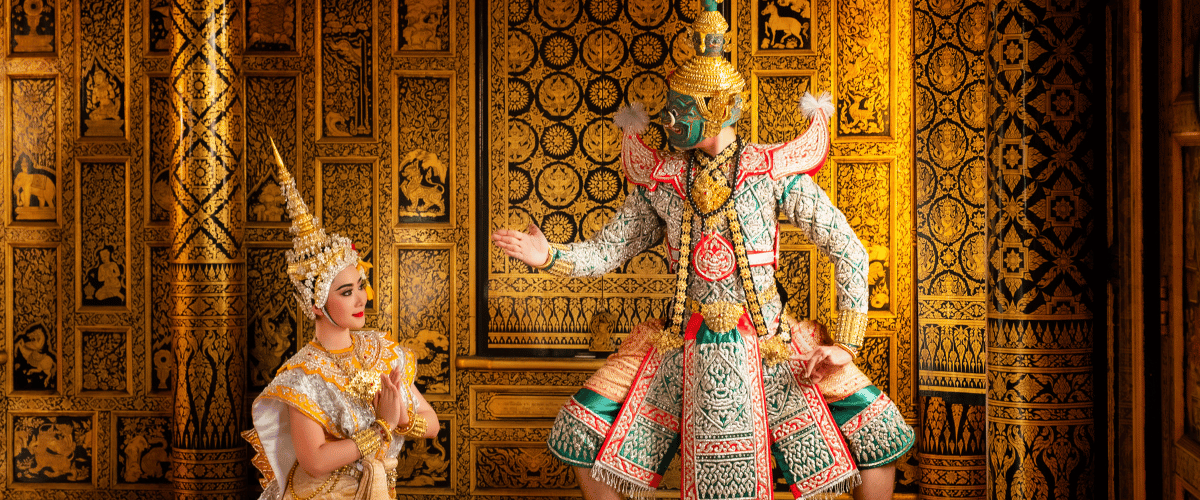
Cultural shows – Participating venues, such as Garavek Storytelling Theater, offer traditional dances and music that one may enjoy performanced.
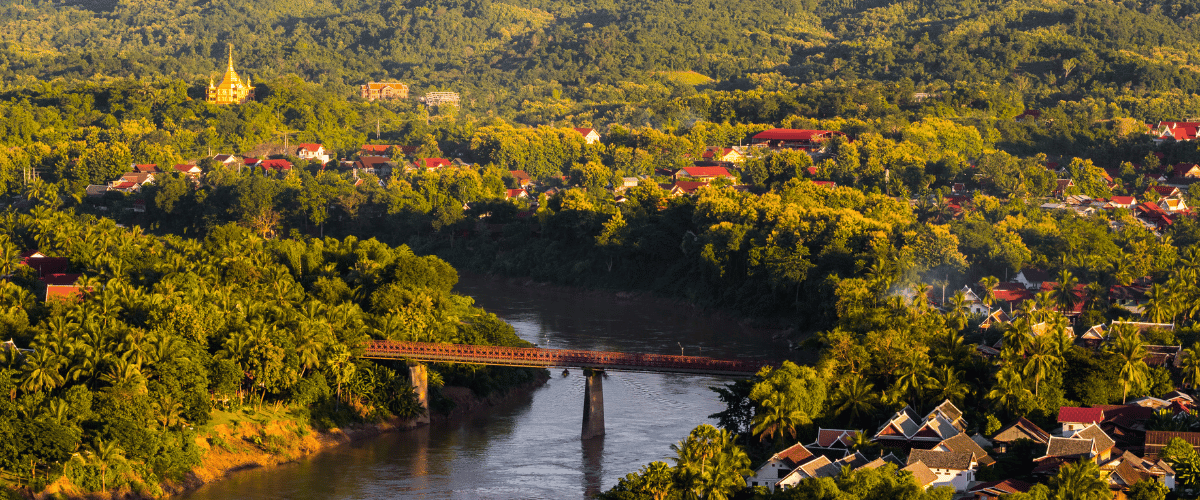
FAQs: Pop Culture & Entertainment in Laos
Did You Know?
The Lao rap artist Touly is known to many around the world for her feminist Lao-themed lyrics blended with modern beats.
Pro Tip
Don’t forget to ask locals about underground shows. Many small bars and restaurants host open mic fusion music nights that feature traditional Lao music accompanied by jazz or funk.
Shopping & Souvenirs in Laos
What to Buy in Laos
- Handwoven Textiles – Lao silk scarves and sinh (traditional skirts) from Ock Pop Tok in Luang Prabang.
- Silver Jewelry – Handcrafted with traditional motifs by Hmong and Akha tribal artisans.
- Lao Coffee – Known for its bold flavor and earthy undertones, it’s gaining popularity abroad and is cultivated on the Bolaven Plateau.
- Sa Paper Creations– Made from mulberry bark by hand, these delicate items range from journals and lanterns to thoughtful greeting cards.
- Bamboo & Handicrafts – Eco-friendly pieces like kitchen tools and wall décor crafted with care and sustainability in mind.
Best Shopping Spots
- Luang Prabang Night Market – This street market is diverse with a large collection of clothing, tea, and other textiles in an array of colors.
- Vientiane Morning Market (Talat Sao) – Offers a variety of goods ranging from traditional and modern clothing to jewelry, as well as electronics.
- Handicraft Shops – Look for artisan products at Ma Té Sai (Luang Prabang) and Carol Cassidy Lao Textiles (Vientiane).
- Ethnic Villages – Hmong, Khmu, and Tai Lue communities offer direct maker access through their ethnic villages.
Gift tips for ethical shopping
Try to purchase items from community-based fair-trade organisations and these cooperatives.
Refrain from purchasing products made from endangered species or exported materials, such as antique Buddha statues.
Authentic products that are natural dyes and handmade tags should be looked for.
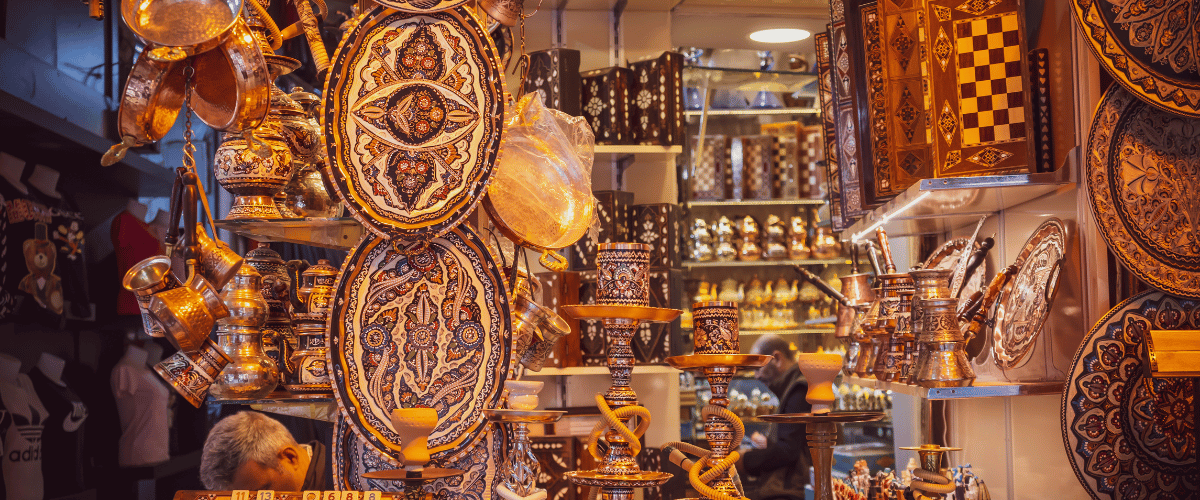
FAQs: Shopping & Unique Souvenirs in Laos
Pro Tip
To see artisans in action, go to Ock Pop Tok weaving center, where you can try using the loom yourself.
Did you know?
The motifs in lao textiles frequently narrate tales: dragons, rivers, or symbols of fertility are woven into the fabric.