
Hidden Gems in Sri Lanka: Where the Island Still Whispers Its Secrets
At some point, between the sound of the ocean and the swaying palms, Sri Lanka feels as if it talks to you. From the horizon, the sound of a temple bell is the sign to take a deep breath of the cinnamon scented air. The tuk-tuks and the monks work in harmony. A fisherman casts his net in the darkening sea. Yet there is another Sri Lanka, the one that is quieter, wilder, and holds more humanity than any other.This is not a Sri Lanka travel guide in the traditional sense. I would focus on the “hidden Sri Lanka” instead. The places where one can experience life in the world as it is still new, where there is no rush to life, and the footsteps of the visitor can provide the necessary authenticity.
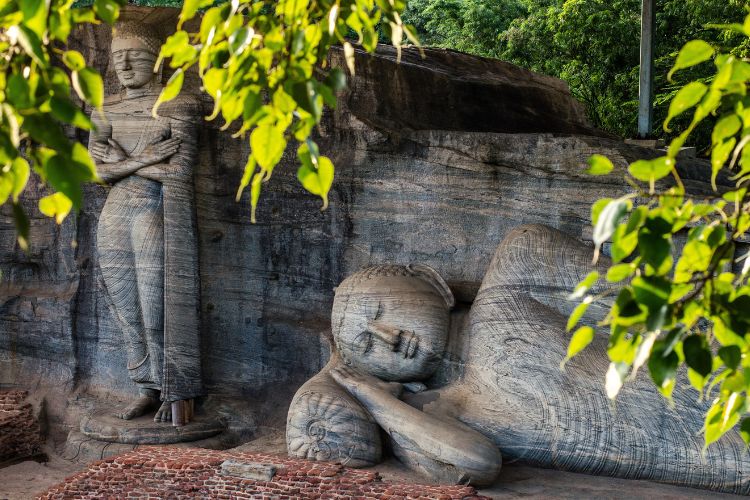

Razi Ansari—just a guy with a backpack, a camera, and too many stories from the road. I write about the real moments, the messy adventures, and the hidden corners of the world that don’t always make it to the guidebooks
Get Free Consultation
The Forgotten Beaches of Tangalle
The highway unwinds along the southern shore, through resorts and crowded surf villages, until the sound gives way to something ancient. In Tangalle, the ocean breathes instead of bellowing. Palm fronds shimmer on the sand. It’s the sort of beach that seems like a secret.
Residents continue to fish in old-fashioned outrigger canoes. Women in colorful saris collect shells and dry nets at sunrise in the mornings.
If you take a walk east towards Silent Beach, you may find yourself completely alone — only the salt breeze and the beat of your own heart.
When to go: November to April offers peaceful seas and radiant sunsets.
How to get there: Tangalle is roughly 200 km from Colombo — a five-hour drive along coconut groves and rice fields.
Activities in Tangalle: Meditate at the old Mulkirigala Rock Temple, or follow a fisherman at sunrise for a peek at his daily routine.
Loved this post? Save it for later on Pinterest!
Pin the ultimate beach bucket list—come back anytime for coastal guides, travel hacks, and ocean vibes!
The Sacred Stillness of Ritigala
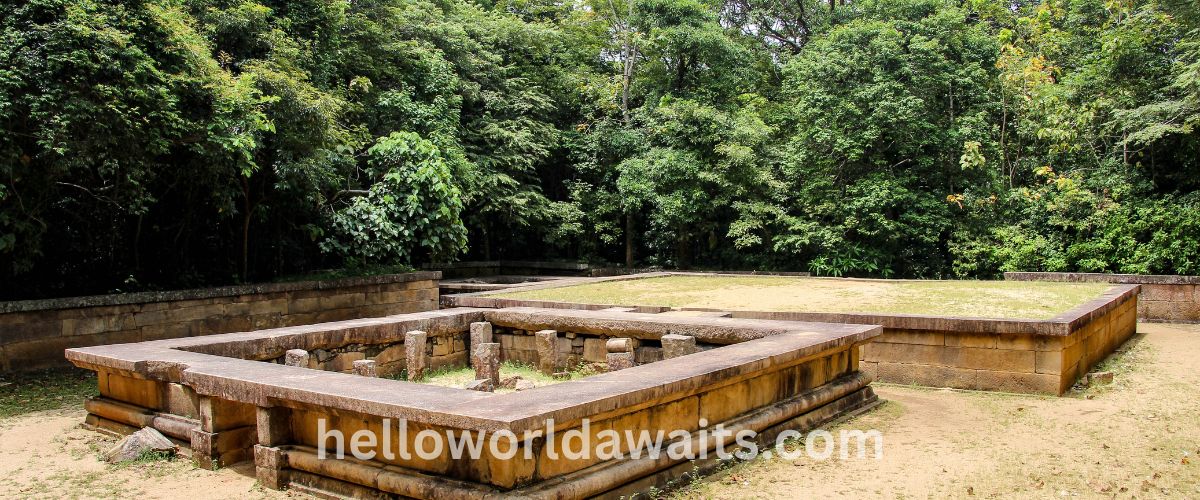
A deserted monastery lies beneath thick jungle in the center of Sri Lanka’s Cultural Triangle. Ritigala lacks the grandeur of Anuradhapura and the refinement of Sigiriya. It is a place of quiet, where the forest appears to be guarding its secrets and the air is alive with invisible life.
You tread barefoot on worn stones. Monastic baths that were once used by monks for meditation are surrounded by ferns. Like incense, the smell of damp earth clings.
Not many tourists visit this place. Those who do frequently talk in low tones, as though they don’t want to wake the still-present ghost.
Travel advice: To see the forest come to life, go early in the morning. Dress modestly and refrain from talking loudly to respect the site’s sanctity.
The Secret Train Through Ella’s Mist
At some point, between the sound of the ocean and the swaying palms, Sri Lanka feels as if it talks to you.
From the horizon, the sound of a temple bell is the sign to take a deep breath of the cinnamon scented air. The tuk-tuks and the monks work in harmony. A fisherman casts his net in the darkening sea.
Yet there is another Sri Lanka, the one that is quieter, wilder, and holds more humanity than any other.
This is not a Sri Lanka travel guide in the traditional sense. I would focus on the hidden Sri Lanka instead. The places where one can experience life in the world as it is still new, where there is no rush to life, and the footsteps of the visitor can provide the necessary authenticity.
This guide is also an invitation to experience the stories that come with the destinations. Forest hermitages, forgotten beaches, and cloud piercing mountain trains.
- Best cities for visiting in srilanka you'll explore here
The Wild Heart of Mannar
In the far northwest, where land meets the Palk Strait, is steadfast and lonely Mannar — an island where maps will find it harder than mythology to locate. Donkeys roam the road. Glorious white sand stretches to coral shallows.
It is here you sense the uncharted Sri Lanka — where Tamil fishermen are weaving nets beside Portuguese forts, and winter flamingos turn the wetlands pink.
When to go: December to April, when the sky across Mannar is painted by migratory birds.
How to get there: From Anuradhapura, you will travel for about four hours through hauntingly beautiful salt flats.
For the traveler in pursuit of detachment from society, this is Sri Lanka without comprehension — an infinite horizon of space, sky, and gentle people.
The Whispering Forests of Sinharaja
Rain starts gently in Sinharaja, transforming into a melodic whisper. The forest comes alive around you: cicadas hum, streams softly babble, and orchids cling to ancient trees. This UNESCO Biosphere Reserve is Sri Lanka’s last lowland rainforest, a living piece of Gondwana’s history. Strolling through here feels like stepping into a grand cathedral of greenery. Local guides from nearby villages share fascinating stories about medicinal plants and secret waterfalls. Every trail feels like a sacred journey.
The Ancient Echoes of Jaffna
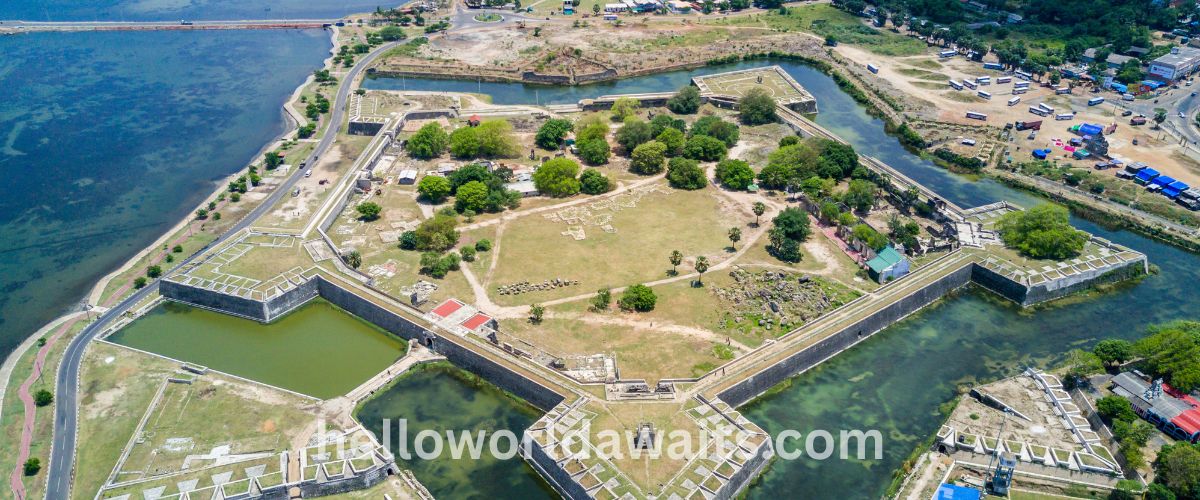
Jaffna is like a rewritten tale. The northern capital hums once more with energy, music, and flavor after decades of quiet.
Alongside heaps of mango and chiles, women in the markets offer palmyra sweets. Hindu temples are illuminated with marigolds.
Take the ferry to Delft Island, where baobab trees slant toward the sky and wild horses wander the coral beaches.
Most tourists seldom witness this side of Sri Lanka, which is rich in quiet pride, formed by history, and healed by time.
Note on etiquette: Before taking pictures of individuals or places of worship, always get permission. A few Tamil words and a smile go a long way.