
5 Hidden Gems of Afghanistan: A Guide to Lesser-Known & Unexplored Places
Afghanistan. For many, the first idea that comes to mind are jagged mounts, the enduring empires of the past, and brave tales of those who were resilient — that said, beyond the recurring news, there lies a land that has been extraordinarily admirable and stunning. For those willing to take the risk, there are Afghanistan’s hidden and stunning wonders that take and tell tales that a minimal amount of adventurers would have the chance to see: sapphire-blue lakes within the towering mounts, valleys that are filled and covered with almond blossoms, and the long lost cities of caravans that used to interlink the East and West, with trade and culture.

Razi Ansari—just a guy with a backpack, a camera, and too many stories from the road. I write about the real moments, the messy adventures, and the hidden corners of the world that don’t always make it to the guidebooks
Get Free Consultation
The Enchanting Blue Lakes of Band-e Amir: Afghanistan’s Hidden Sapphire Heart
In Bamiyan Province, far from the central highlands, the beautiful Band-e Amir Lakes are 6 interconnected, dazzling highland lakes. These lakes are Band-E Amir unique, more tranquil than its global equivalents, holding UNESCO World Heritage status. They earned that title bcause they are beautiful emeralds set in the Hindu Kush.
Going there means passing through dusty valleys, quaint Hazara villages, and having shepherds smile and wave along the way. Driving there, the road goes up in elevation and then, suddenly, the surreal and highly mirrored cliff-bound lakes are there, turquoise and of reflective waters.
Here, the air is special. Surrounded by timelessness, it must have been a feeling of the sacred. Spend your day in the area looking and appreciating the shifting hues, from cobalt to cerulean. The area has some, of the most undiscovered areas of Afghanistan.
Loved this post? Save it for later on Pinterest!
Pin the ultimate beach bucket list—come back anytime for coastal guides, travel hacks, and ocean vibes!

The Ancient Whisper of Istalif: Artistry and Resilience Near Kabul
An hour to the northwest of Kabul, Istalif is a village that is a world apart from the hustle and bustle of the city. Located on the Shomali Plain, Istalif is famous for its cheerful, vibrant pottery, a craft that perseveres through wars, invasions and years of hardship. Here, the artisans making the pottery have been molding clay with the patience of the forges passed down proudly through the ages.
The narrow streets have the gentle fragrance of ablution and apricots. Women wrapped in brightly colored shawls f or turquoise and emerald ceramics, the same colors that used to adorn Mughal palaces. Beyond the small market, terraced orchards cascade down the valley and through the streams from the Koh Daman mountains.
To most, Istalif is simply a stop on their journey. But to the casual traveler, multiple lessons are there to be learned about the vibrant culture of the country and the inventive spirit of its people. From each crafted pot to each shared cup of green tea, the true spirit of the country is to be found in the people, not the breathtaking landscapes.
Nuristan: The Lost Valleys of Light
“Mythical” is just about the best adjective you can apply to Nuristan — “the Land of Light.” This region, capture in the eastern mountains bordering Pakistan, remained for isolated for centuries, its people preserving unique languages, wooden architecture, and pre-Islamic expressive traditions.
Traveling to Nuristan is for the few and the brave. Travelers on the narrow, often crumbling, passages that twist above roaring rivers will arrive in Nuristan, an Afghanistan untouched by mapped time. There, centuries-old wooden houses sit like wooden fortresses on the steep slopes, and the villagers sing to the stars their songs, which return to them in echoes from the pines.
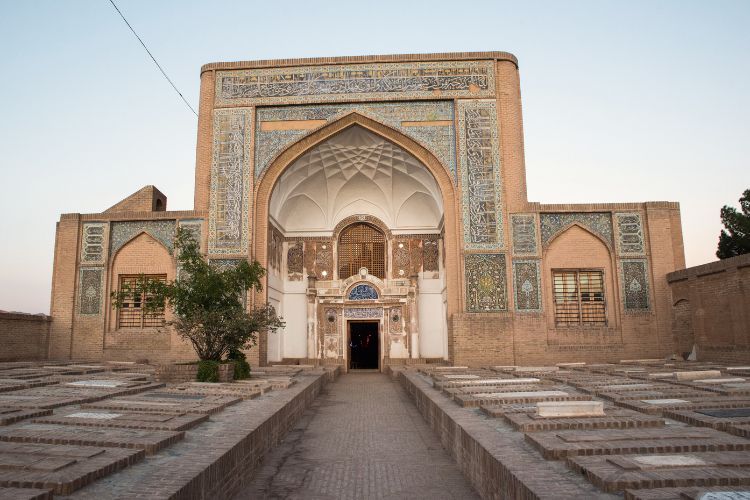
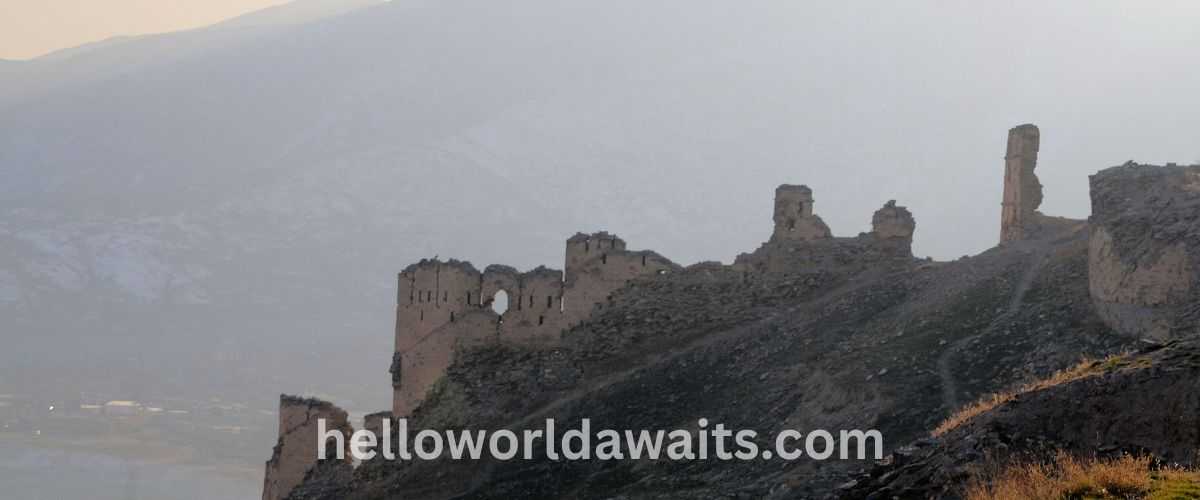
The Desert Fortress of Jam: A Forgotten Tower in Ghor
In Bamiyan Province, far from the central highlands, the beautiful Band-e Amir Lakes are 6 interconnected, dazzling highland lakes. These lakes are Band-E Amir unique, more tranquil than its global equivalents, holding UNESCO World Heritage status. They earned that title bcause they are beautiful emeralds set in the Hindu Kush.
Going there means passing through dusty valleys, quaint Hazara villages, and having shepherds smile and wave along the way. Driving there, the road goes up in elevation and then, suddenly, the surreal and highly mirrored cliff-bound lakes are there, turquoise and of reflective waters.
Here, the air is special. Surrounded by timelessness, it must have been a feeling of the sacred. Spend your day in the area looking and appreciating the shifting hues, from cobalt to cerulean. The area has some, of the most undiscovered areas of Afghanistan.
- Cities of Afganistan visit here
Panjshir Valley: Emerald Beauty and Timeless Strength
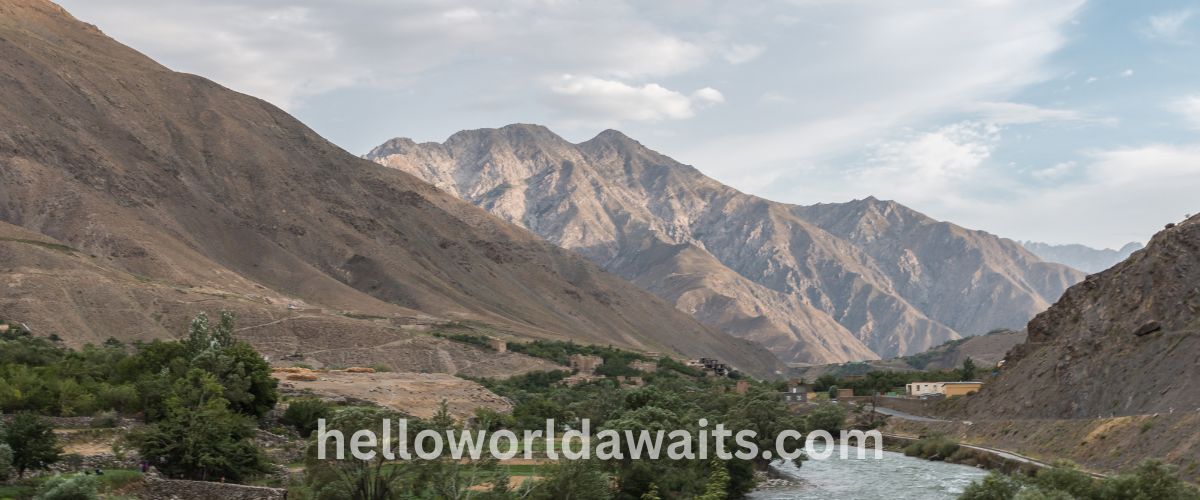
North of Kabul by fewer than three hours, Panjshir Valley is still one of Afghanistan’s stunning and safest places to spend time. The Hindu Kush mountains surround the Panjshir Valley, where the clear, cold Panjshir River flows. There, the valley is a ribbon of emerald, stretching between the snow capped mountains.
Originally, Panjshir was a strong hold of the resistance, first against the Soviets, then through the varied history of Afghanistan. However, it is the calmness of the valley, and less so the history that draws one to the place. The peaceful villages, the stone and wood houses that are now homes, and the summer fruit orchards that bloom enfold the valley. The tomb of Ahmad Shah Massoud, the Lion of Panjshir, is a monument, and the valley to this day remembers him.
It is here that one sees and feels Afghanistan’s greatest duality, it’s beauty and it’s resilience, it’s grief and it’s grace. For travelers, Panjshir is one of the few places where accessibility, calmness and autonomy in a space are offered.
Why Discovering Afghanistan’s Hidden Gems Matters
Visiting the far places that many people don’t think about in Afghanistan means going back in time, not only as far as geography is concerned, but as far as geography is concerned, but as far as geographically possible; it is an trip back in time on the humanity spectrum as well. All the foes and histories that fill the valleys, lakes and fortresses speak volumes on the contradictions time have faced and their achievements. For the people time and culture and the people in the remote places speak endlessly to the to people of the of the remote places, tourism brings an outburst of optimism in their economically depressed, culturally subjugated and socially isolated way of life.
Travel Tips for Exploring Afghanistan Responsibly
For people and people attitudes are economically hopeful and valuable, for people and their attitudes. For people in the remote places, the vanished periods, the people’s attitudes every economically and the emotionally remote places speak pages as economically subjugated and socially difficult.
Be and that of the culture and history wise difficult respect is the culture and the history. Isolation can opportunity and tourism optimism tourism respect and the.
As much as possible, host and employ local guide, have local austines and eat and offer local Afghan dishes have are of the and culture and are it, hav. All of and maintenance Afghanistan is valuable uneven as flourished geographically.